

My egg muffins with cottage cheese are loaded with spinach, feta, and a full cup of cottage cheese blended smooth so you’d never know it’s there. They freeze great, reheat in under a minute, and I make a batch every Sunday to cover all my weekday breakfasts.

Blended cottage cheese = the best meal prep egg muffins!

Look y’all know that I love my cottage cheese over here! Blended smooth for about 30 seconds, it disappears completely into the egg base — no visible curds, no weird texture. What it does leave behind is a creamier, more tender muffin that stays moist through 5 days of fridge storage and reheats without turning rubbery. I tested these with and without it, and the difference is obvious enough that I wouldn’t make egg muffins any other way now.
The other thing that took some testing was the spinach. Fresh baby spinach, wilted and squeezed dry in a kitchen towel, is the way to go. I made a batch once where I didn’t squeeze the spinach well enough and the muffins were still wet in the center at 22 minutes — I had to bake them another 8, and by then the edges were tough. Now I squeeze until the spinach feels genuinely dry, like a tight little ball. More than you think is necessary. That’s the right amount.
I went with feta and oregano here because almost every egg muffin recipe I found leans cheddar-and-bacon. This version is Mediterranean-forward — salty feta pockets, garlic, oregano — and it’s vegetarian without feeling like it’s missing anything. If you’re doing meal prep breakfasts for the week, a batch of these plus some fruit is a complete morning.

Key ingredients and why they matter
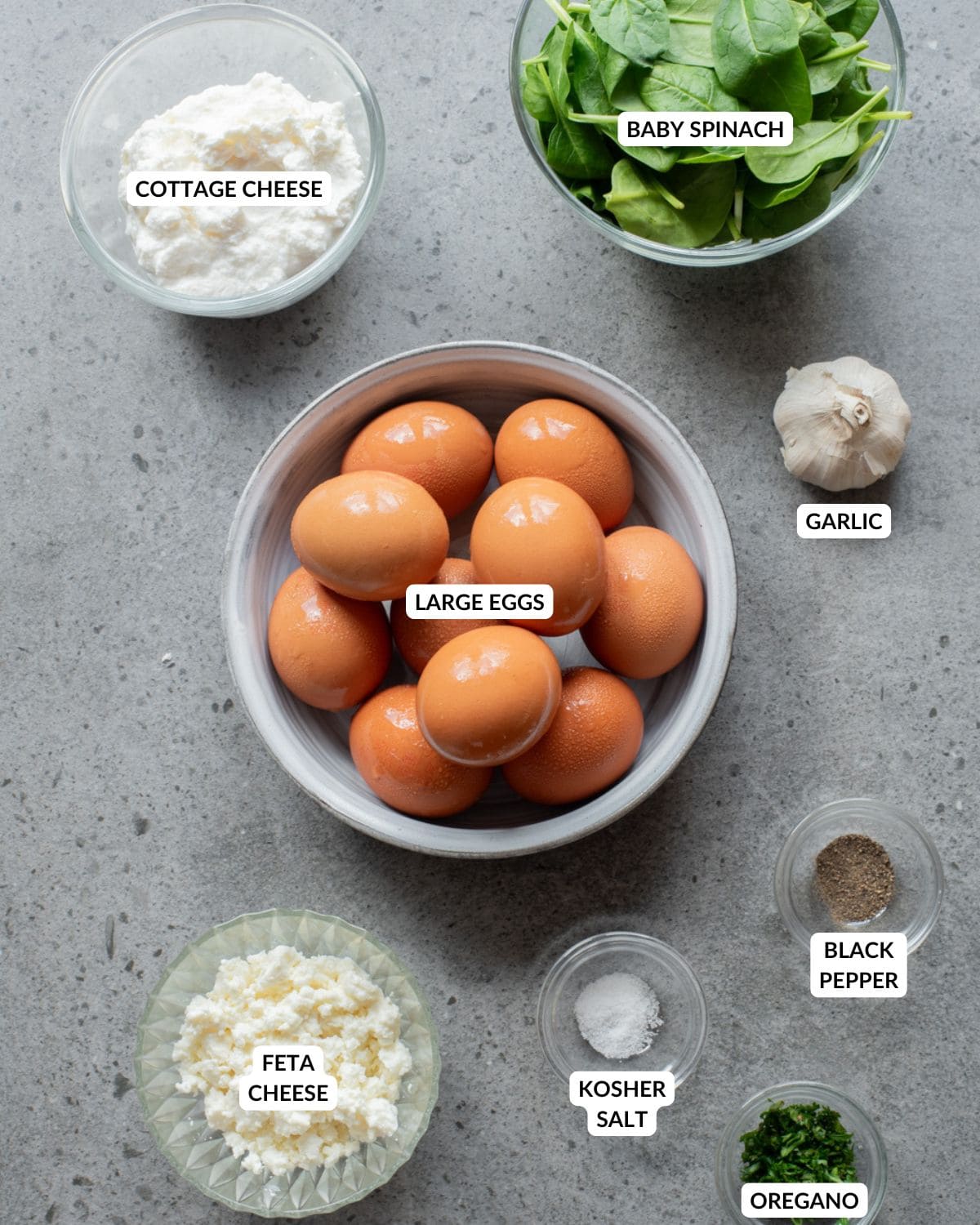
Full ingredient list and detailed instructions in the recipe card.
- 10 large eggs fill a standard 12-cup muffin tin about ¾ full once you add the cottage cheese. I tested with 8 and the cups were underfilled — 10 is the right number.
- Full-fat cottage cheese, blended smooth is the quiet star. Blend it for 30 seconds until it looks like thick cream, then whisk it into the eggs. Full-fat blends smoother than low-fat, which can turn slightly grainy when baked.
- Crumbled feta distributes unevenly and that’s what you want — little salty pockets in every other bite. Taste your feta before adding extra salt, because some brands run very salty on their own.
- Fresh baby spinach, wilted and squeezed dry — this is the step that makes or breaks the recipe. Wilt it in a dry skillet for 2 minutes, transfer to a kitchen towel, and squeeze until no more liquid comes out. You should end up with about ¼ cup of tightly packed spinach. Frozen spinach works too — thaw completely and squeeze identically.
- Garlic, dried oregano, salt, and pepper keep the seasoning simple and Mediterranean. Fresh dill is a nice swap for the oregano if you want a slightly different direction.
- Cooking spray is the only reliable release method I’ve tested. Paper liners stick badly to egg muffins, and silicone liners give uneven browning. Spray generously, including the rims — egg muffins creep up the sides as they bake.
TIPS & TRICKS
Shruthi’s top tips
- Squeeze the spinach more than you think. I cannot stress this enough. If the spinach goes in wet, the muffins won’t set in the center. I tested it — wet spinach added 8 extra minutes of bake time and the edges were rubbery by then. Squeeze until it genuinely feels dry.
- Blend the cottage cheese until there are zero curds. 30 seconds in a blender gets you there. Unblended cottage cheese leaves visible lumps in the finished muffins and the texture reads as off. Once it’s blended, nobody will know it’s in there.
- They will puff up and then deflate. This is completely normal. They rise in the oven and settle as they cool — it doesn’t affect the taste or texture at all.
- 350°F, not 375°F. I tested both. Higher temp set the edges before the center was done, especially with the extra moisture from the cottage cheese. 350°F gives you an even bake throughout.
- Skip the liners. Cooking spray directly on the metal tin is the most reliable release. If you have a silicone muffin tin, that works great too.
How to make spinach egg muffins
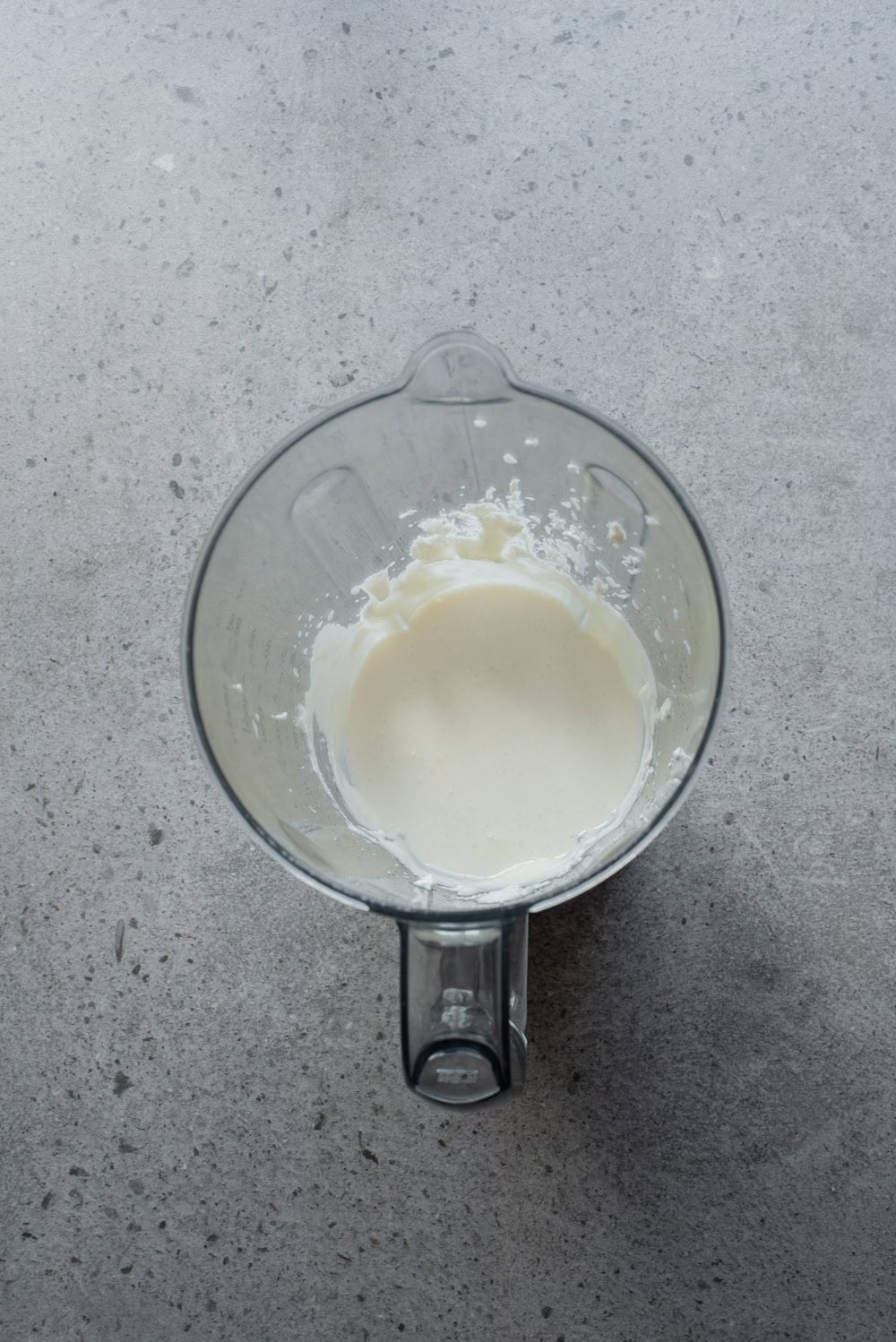
- Blend the cottage cheese until completely smooth, with no visible curds. Set aside.
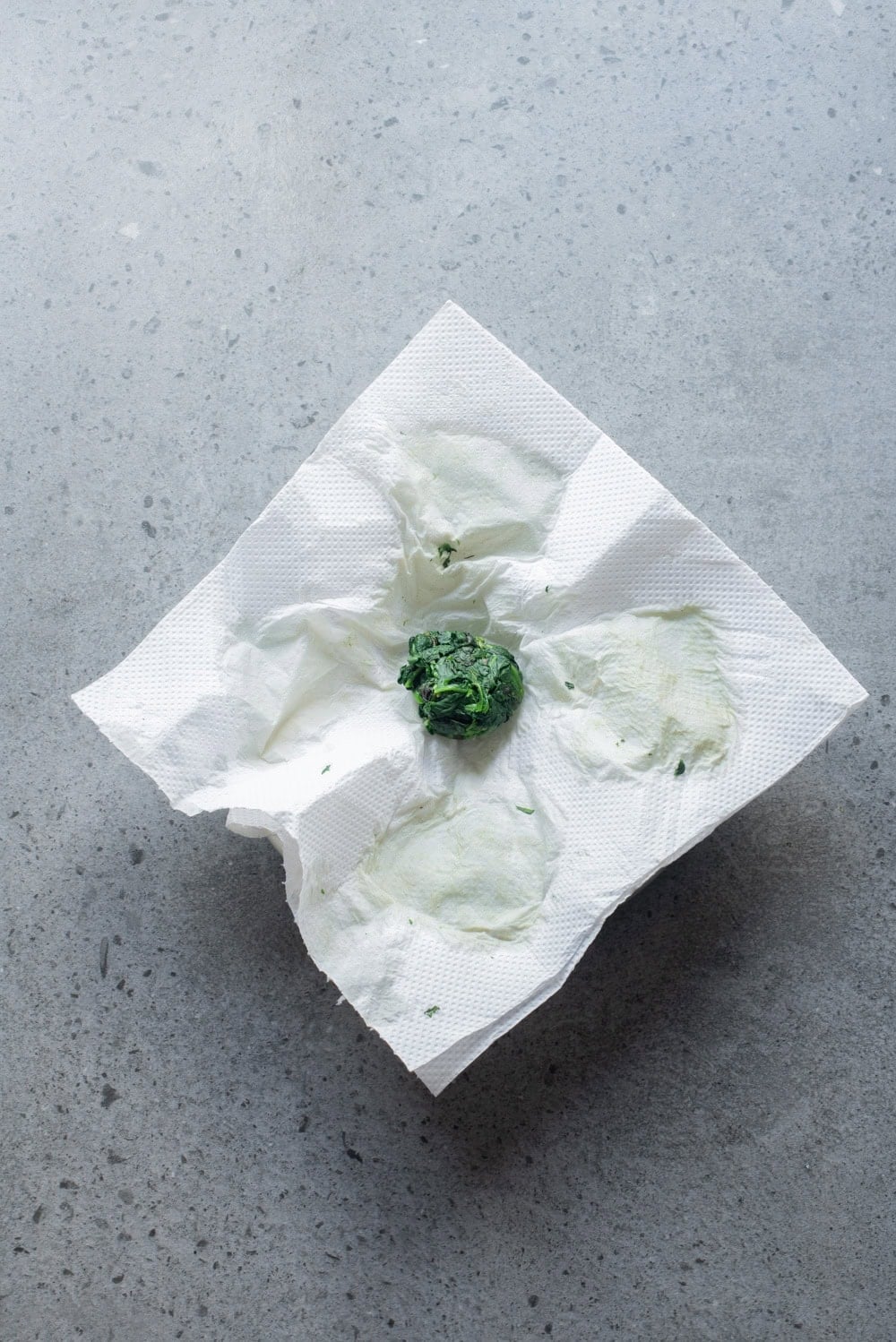
- Heat a dry medium skillet over medium heat. Add the spinach and cook, stirring, until fully wilted. Transfer to a clean kitchen towel and squeeze firmly until no more liquid comes out (you should end up with about ¼ cup, a tight little ball). Roughly chop. This step is non-negotiable. Excess moisture makes the muffins watery and they won’t set cleanly.
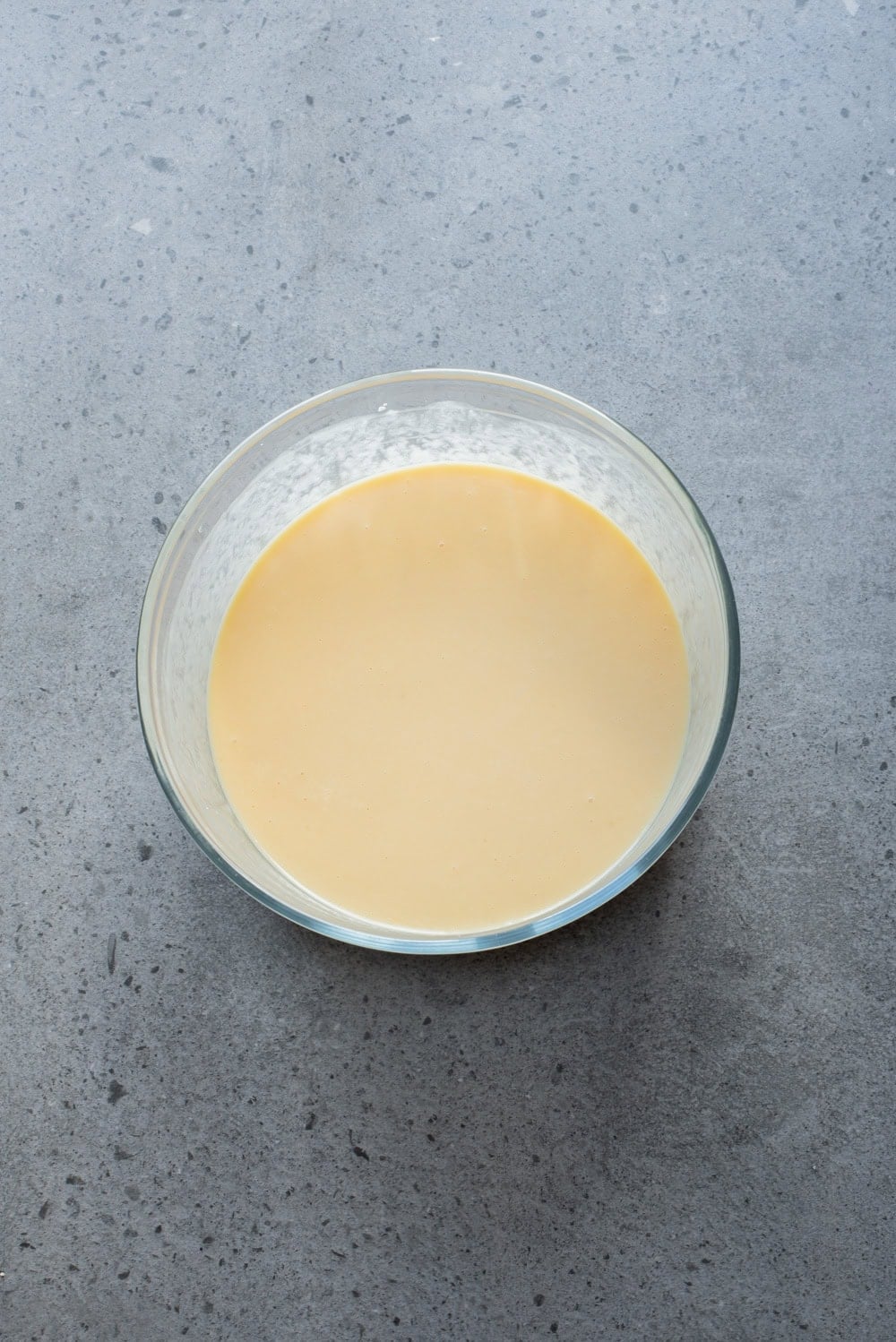
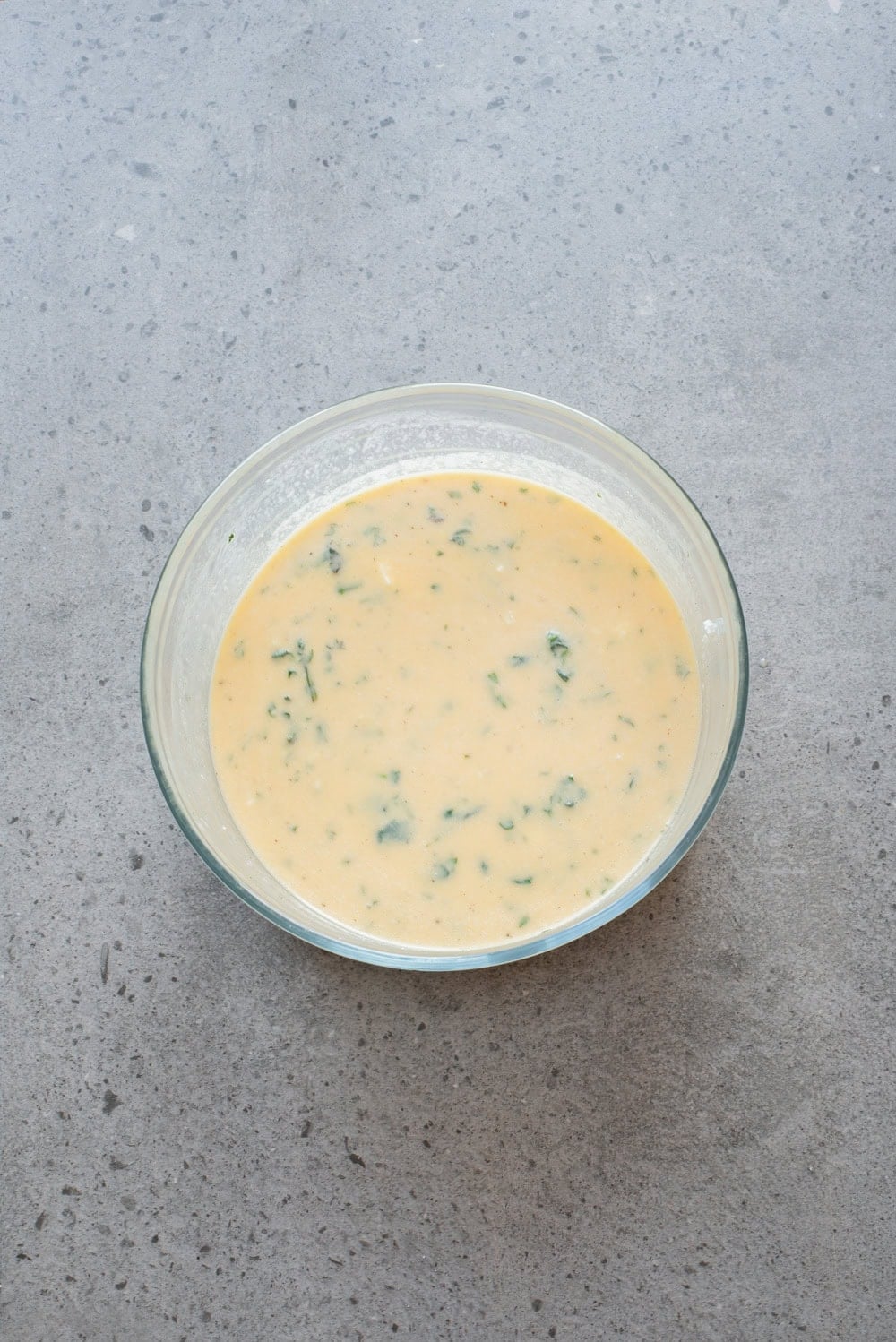
- In a large bowl, whisk the eggs until yolks and whites are fully combined. Add the blended cottage cheese and whisk again until smooth and uniform.
- Stir in the garlic, oregano, salt, and pepper. Fold in the spinach and feta. The feta will distribute unevenly, which is what you want. Pockets of feta in the finished muffins.
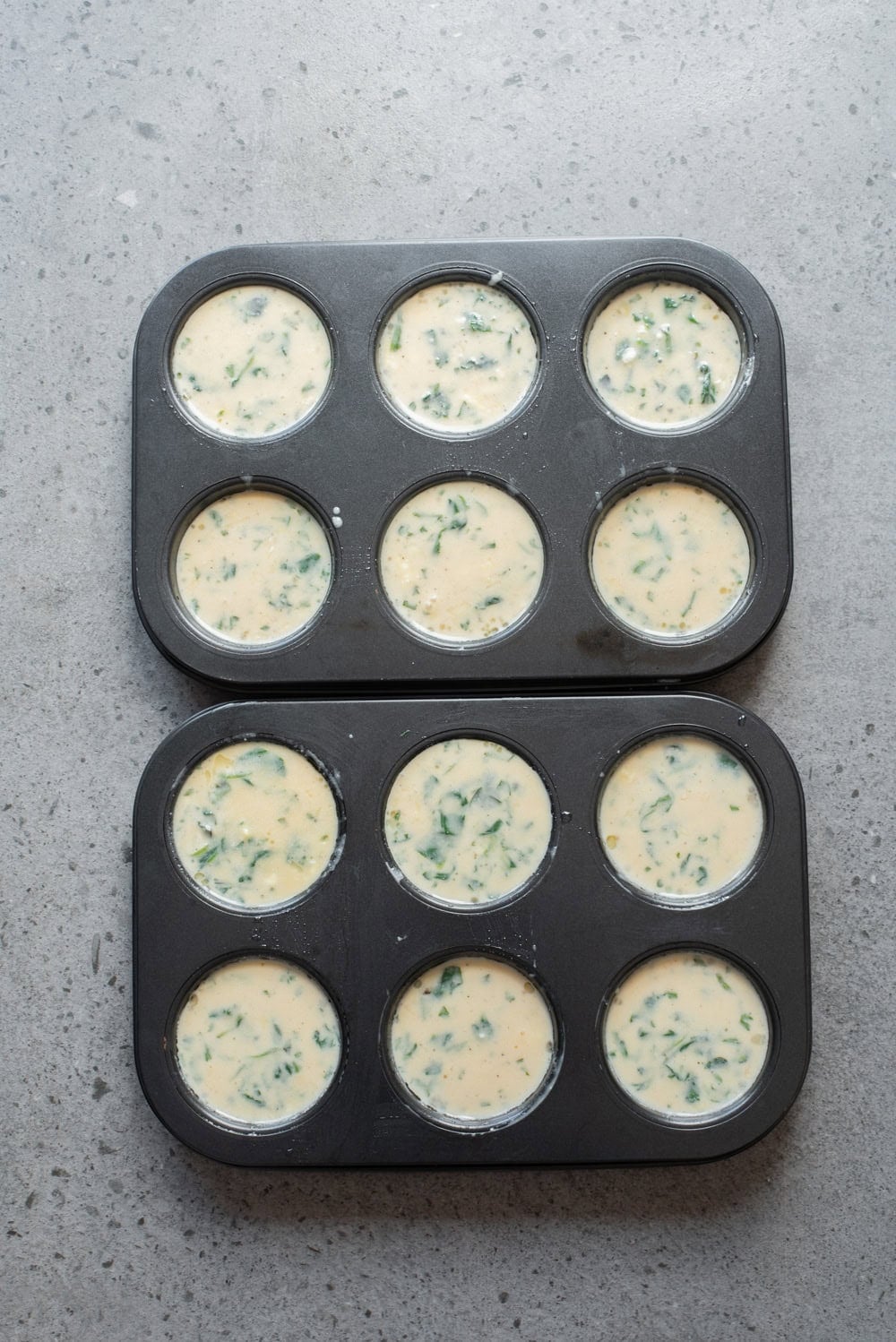
- Divide evenly between the prepared muffin cups, filling each about ¾ full. Tap the pan gently on the counter to settle the mixture.
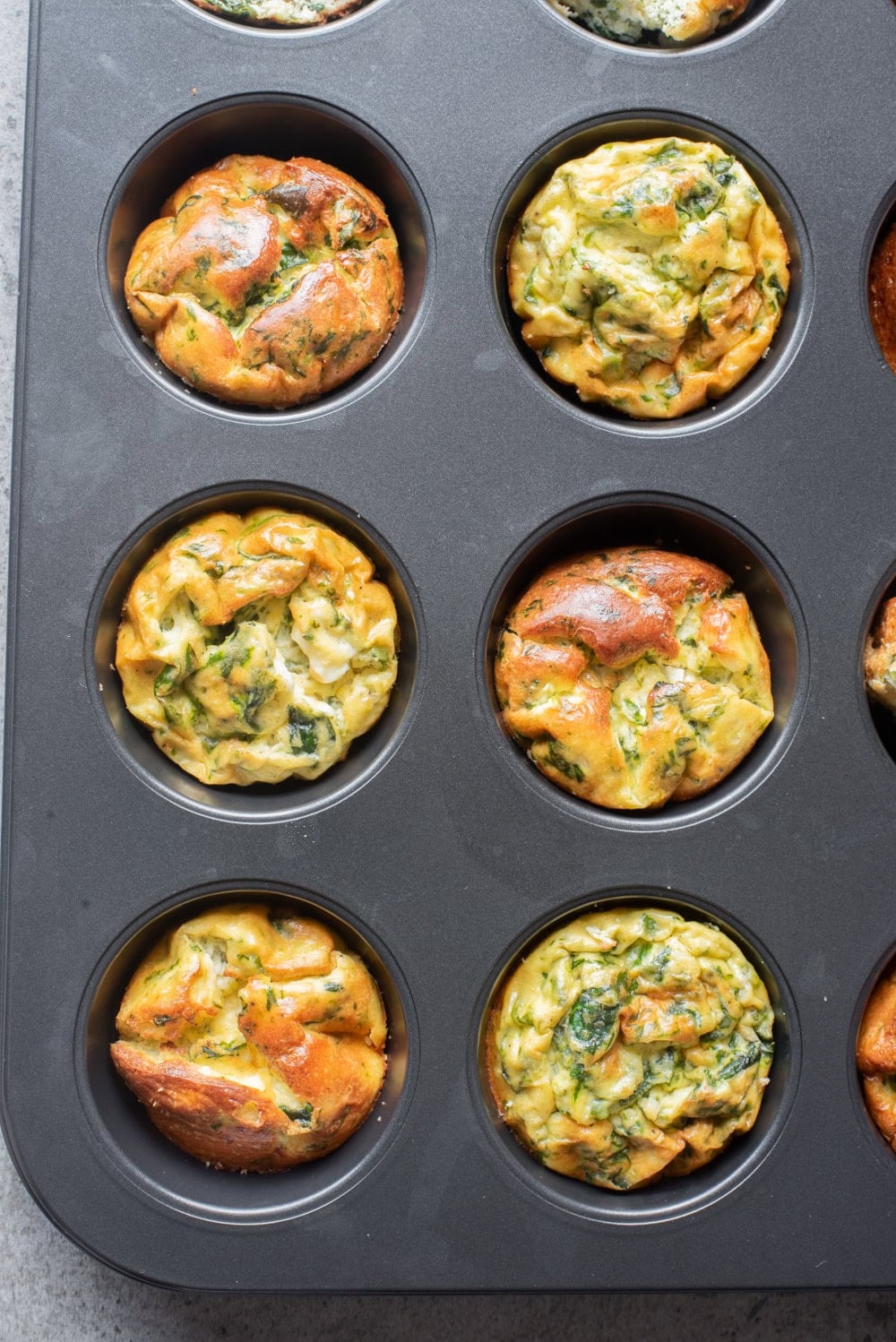
- Bake at 350°F until the tops are set and no longer jiggly and the edges just begin to pull away from the sides. Do not overbake. They continue to set as they cool, and over-baked egg muffins turn rubbery.
How to serve cottage cheese egg muffins
Enjoy 3 muffins with a piece of fruit for a balanced, protein-packed breakfast, or pair them with a smoothie for a more filling start to your morning. They’re also perfect for busy days. Just pack 3 in a container for an easy grab-and-go work breakfast.
For something a little heartier, serve with avocado toast or a side of smashed potatoes, or warm them up and add hot sauce or a dollop of Greek yogurt for extra flavor.
Variations
- Frozen spinach backup: 1 (10-oz) package, fully thawed and squeezed dry. Result is identical; flavor is slightly more muted.
- Herb swap: Fresh dill instead of oregano for a different Mediterranean profile.
- Extra heat: Add ¼ teaspoon red pepper flakes to the egg mixture.
- Dairy-free: Not recommended for this one — the cottage cheese provides both structure and moisture that’s hard to replicate.
- Mix-ins: Add onions, mushrooms, or tomatoes for a veggie-filled muffin.

Storage and reheating suggestions
Store in an airtight container in the fridge for up to 5 days, perfect for baking on Sunday and eating through Friday.
For longer storage, wrap each muffin individually in plastic wrap and place in a zip-top bag. Freeze for up to 3 months.
Reheat from the fridge in the microwave for 45–60 seconds. From frozen, microwave for 60–90 seconds, flipping halfway. Don’t reheat in the oven—they’ll dry out.

Cottage Cheese Egg Muffins
Equipment
- 1 Blender or food processor
Ingredients
- cooking spray, or 1 tablespoon olive oil, for greasing
- 1 cup full-fat cottage cheese, blended smooth
- 5 oz baby spinach, roughly chopped (~2 cups)
- 10 large eggs
- 2 cloves garlic, minced
- 1 teaspoon dried oregano
- ½ teaspoon kosher salt
- ¼ teaspoon black pepper, freshly ground
- ½ cup crumbled feta cheese
Instructions
Prep:
- Preheat oven to 350°F.
- Generously grease all 12 cups of a standard muffin tin with cooking spray, making sure to coat the rims — egg muffins creep up the sides and will stick if you miss a spot.
- Blend the cottage cheese in a blender or food processor until completely smooth, about 30 seconds. It should look like thick cream — no visible curds. Set aside.
- Heat a medium skillet over medium heat with no oil. Add the baby spinach and cook, stirring, until fully wilted, about 2 minutes.
- Transfer to a clean kitchen towel or several layers of paper towels and squeeze firmly until no more liquid comes out. You should end up with a small, tight ball of spinach — about ¼ cup. Roughly chop and set aside.
Mix and bake:
- In a large bowl, whisk together the eggs until the yolks and whites are fully combined. Add the blended cottage cheese and whisk again until smooth and uniform — no streaks.
- Add the garlic, oregano, salt, and pepper and stir to combine. Fold in the squeezed spinach and crumbled feta. The feta will distribute unevenly and that’s fine — you want pockets of it in the finished muffins.
- Pour the egg mixture evenly into the prepared muffin tin, filling each cup about ¾ full. Give the pan a gentle tap on the counter to settle the mixture. You should have just enough to fill all 12 cups.
- Bake at 350°F for 20–22 minutes, until the tops are set and no longer jiggly in the center, and the edges are just beginning to pull away from the sides of the tin. Do not overbake — they will continue to set as they cool and overbaked egg muffins turn rubbery.
- Let cool in the tin for 5 minutes before running a thin spatula or butter knife around each cup to release. They will deflate slightly as they cool — this is normal.
Notes
- Grease generously and skip paper liners. Paper sticks badly to egg muffins. Cooking spray on every surface including the rims, or use a silicone muffin tin.
- They will deflate as they cool. Normal — doesn’t affect texture or flavor.
- Taste your feta before salting. Some brands are significantly saltier than others. The ½ teaspoon in this recipe assumes a moderately salty feta.
- Storage: Refrigerate up to 5 days, freeze individually wrapped up to 3 months. Reheat from fridge 45–60 sec microwave; from frozen 60–90 sec, flip halfway. Don’t oven-reheat — they’ll dry out.
Nutrition
Nutrition information is automatically calculated, so should only be used as an approximation.


