
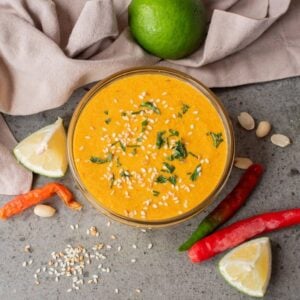
My Thai peanut sauce is a cooked, satay-style dipping sauce made by blooming red curry paste in coconut milk, then simmering it with ground roasted peanuts, tamarind, and coconut sugar. Blooming the paste in coconut fat gives it real satay depth, instead of the flat taste of peanut butter stirred into a bowl. I make it in one small saucepan in about 15 minutes, and it’s vegan as written.
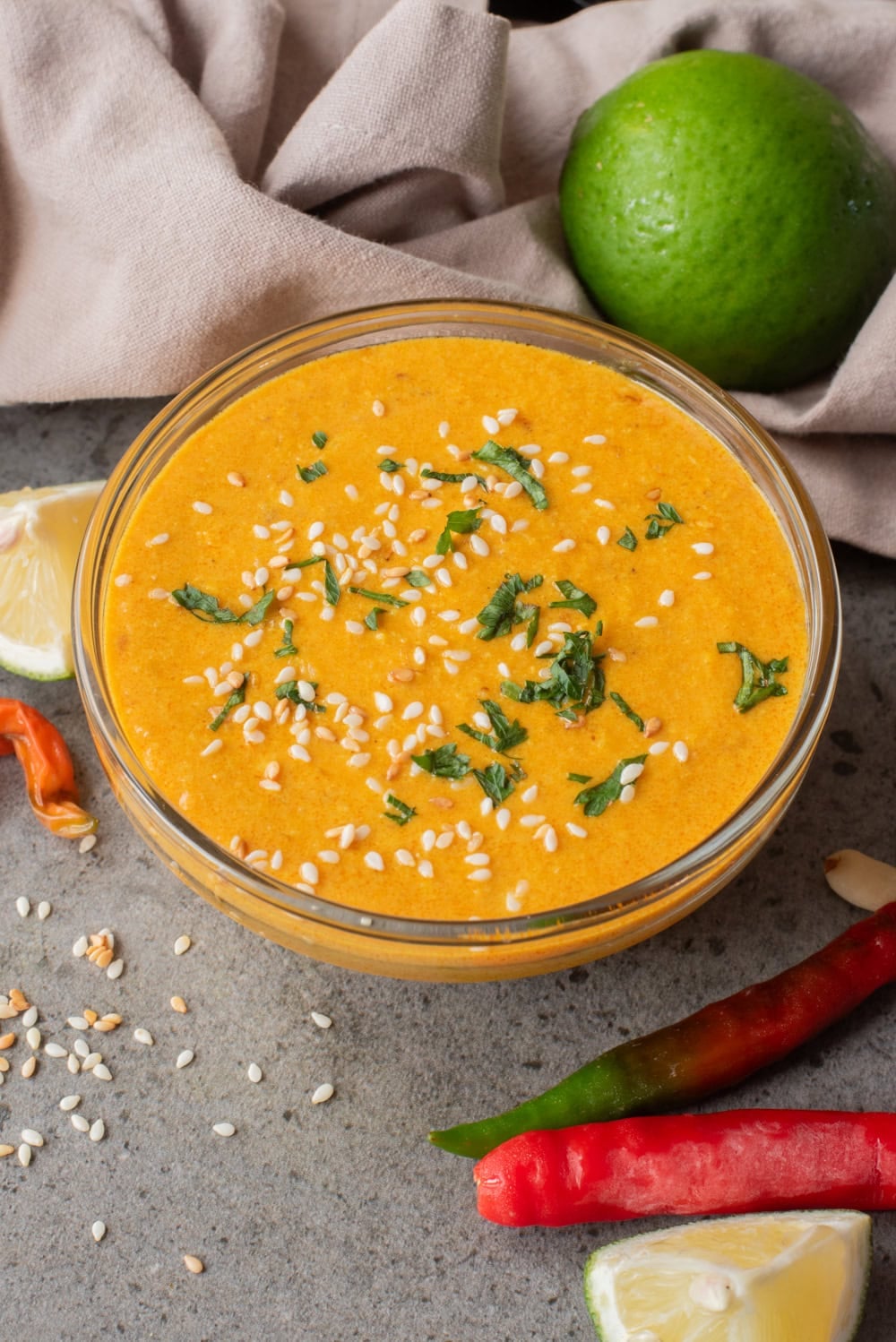
The Thai peanut sauce recipe from my cooking class in Thailand

This sauce has been living inside my tofu satay post for years, and readers kept making it on its own, so it finally gets its own page. I learned it in a cooking class in Thailand from the same instructor whose methods run through my green curry, red curry, and vegetarian khao soi.
What she taught is a cooked peanut satay sauce, not a stir-together dressing. Thai peanut sauce is red curry paste bloomed in coconut milk, then simmered with ground roasted peanuts, tamarind, and coconut sugar until it thickens.
The bloom is where this sauce gets its depth, and it’s the step most peanut sauce recipes skip. You simmer a little coconut milk first, add the curry paste, and stir for a full two minutes until the fat starts to fry the paste and it smells intensely fragrant. Raw curry paste stirred straight into a sauce tastes flat and a little harsh, the same way garlic dumped into a cold pan never sweetens. Frying the paste in coconut fat cooks the aromatics and wakes up the dried spices, so the finished sauce tastes layered instead of muddy.
The other choice is texture, and I’ve tested both sides of it. Ground roasted peanuts give the sauce depth and a slightly coarse, more traditional texture, the way it came off the burner in that class. Natural peanut butter is a good shortcut when I want it smoother or faster, and most Thai peanut sauce recipes you’ll find online are built entirely on it. The recipe below is written for ground peanuts, with the peanut butter swap in the notes so you can pick your lane!

Key ingredients and why they matter
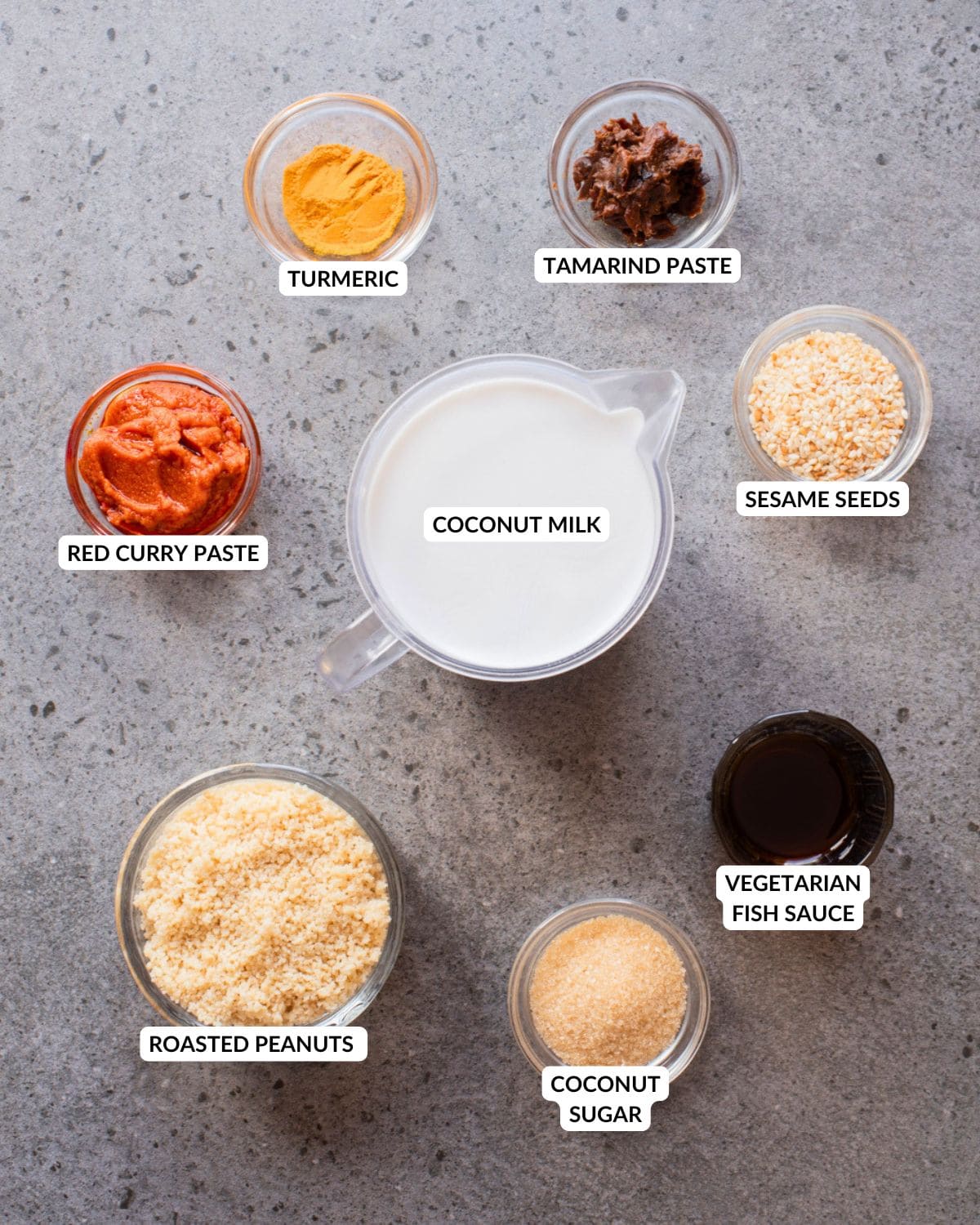
Full ingredient list and detailed instructions in the recipe card.
- Red curry paste is the flavor engine, so the sauce is only as good as the jar you open. Check the label carefully, because many brands sneak in shrimp paste; I use Mekhala, which is vegan, or make my homemade red curry paste (no shrimp) and freeze it in portions.
- Full-fat coconut milk is non-negotiable here, because it’s the coconut fat that fries the curry paste during the bloom. Light coconut milk is mostly water, so the paste never blooms and the sauce comes out thin and flat.
- Ground roasted peanuts make this taste like the sauce from the class. Measure the peanuts whole, then pulse them in a food processor or blender until finely ground, like coarse sand rather than peanut butter. If you want it smoother, a quarter cup of natural peanut butter is a good swap, and it’s the same shortcut I lean on in my Thai tofu bowls with peanut sauce.
- Tamarind paste is the sour anchor that keeps all that coconut and sugar from turning cloying. Brands vary a lot in concentration, so start with 2 tablespoons and taste before adding more; if you can’t find tamarind at all, my tofu pad Thai without tamarind shows how I work around it entirely.
- Coconut sugar brings a caramel-adjacent sweetness that plays against the tamarind rather than flattening it. Light brown sugar is the closest substitute if that’s what’s in your pantry.
- A quarter teaspoon of ground turmeric is there for color and a little earthiness, and the optional toasted sesame seeds add a nutty finish at the end.
- Vegetarian fish sauce keeps this a vegan peanut sauce as written while still landing that salty, savory backbone. If you can’t find it, 1 teaspoon of low-sodium soy sauce plus half a teaspoon of fresh lime juice gets close, and tamari does the same job if you need to keep it gluten free.
Shruthi’s Top Tips
Tips for the best Thai peanut sauce
Three things I learned making this batch after batch:
- Don’t rush the bloom. The full two minutes of stirring feels fussy, but the paste needs to darken a shade, thicken, and smell almost sharp before you add anything else; that’s the fried-paste depth you can’t add back later.
- Pull the sauce a little before it looks done. It thickens noticeably as it cools, so take it off the heat when it just coats the back of a spoon, and keep stirring during the simmer since ground peanuts settle and scorch on the bottom of the pan.
- Taste at the end and adjust in a triangle: more tamarind if it needs sourness, more coconut sugar if the tamarind bites too hard, more fish sauce if it tastes flat rather than sour or sweet.
How to make Thai peanut sauce
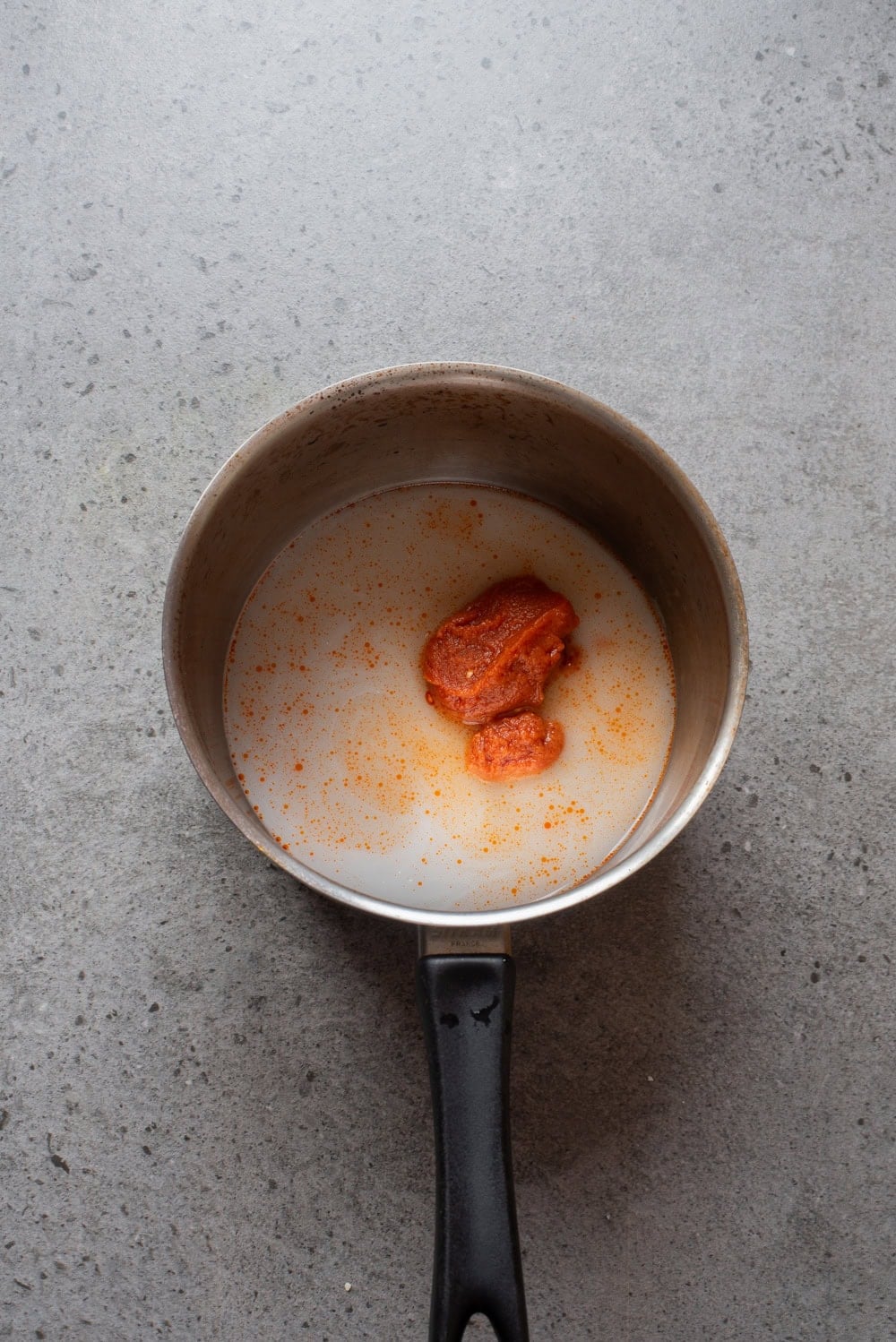
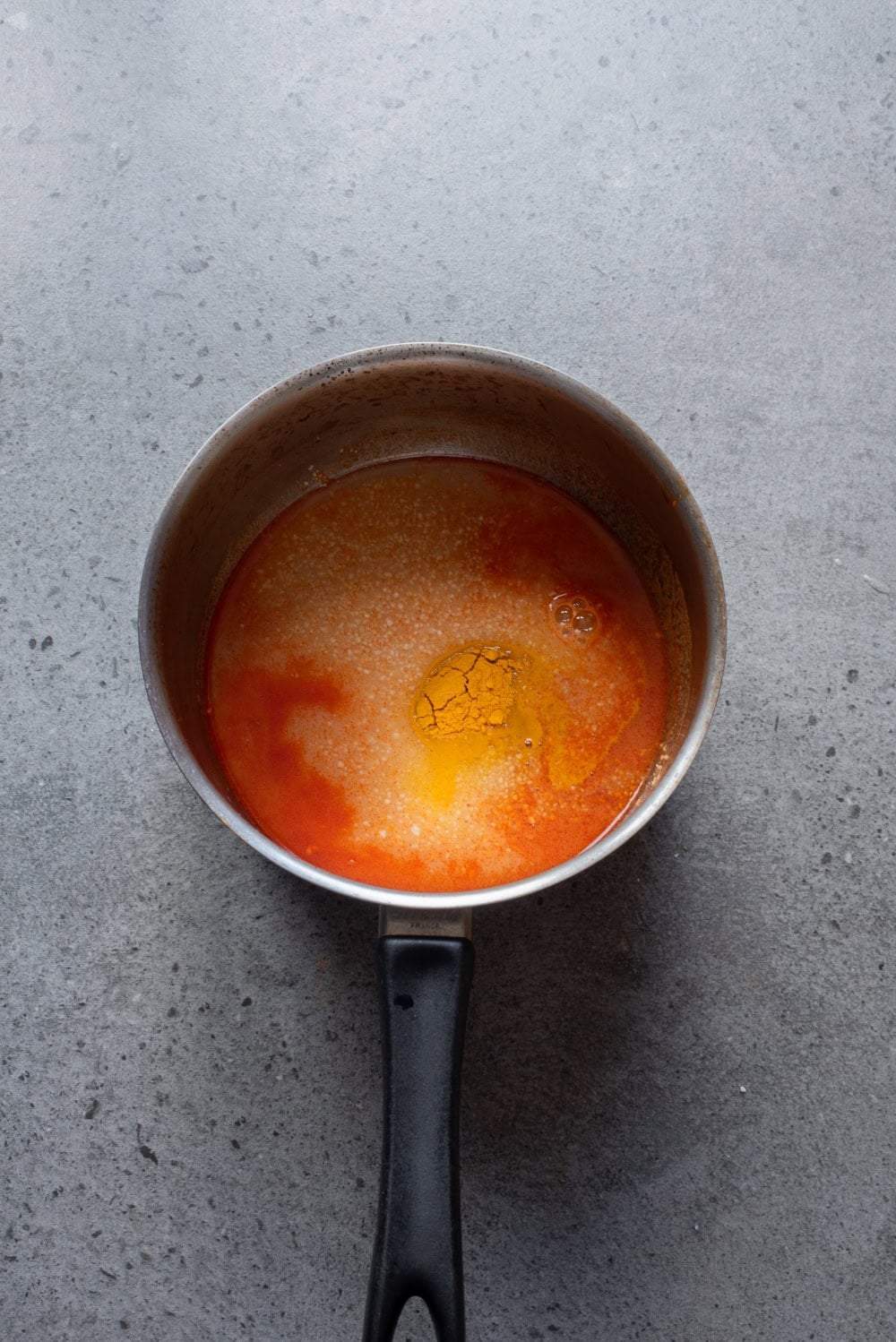
- Bloom the curry paste first. Simmer a quarter cup of the coconut milk in a small saucepan, stir in the red curry paste, and keep it moving for 2 minutes until it thickens into a brick-red paste and smells intensely fragrant.
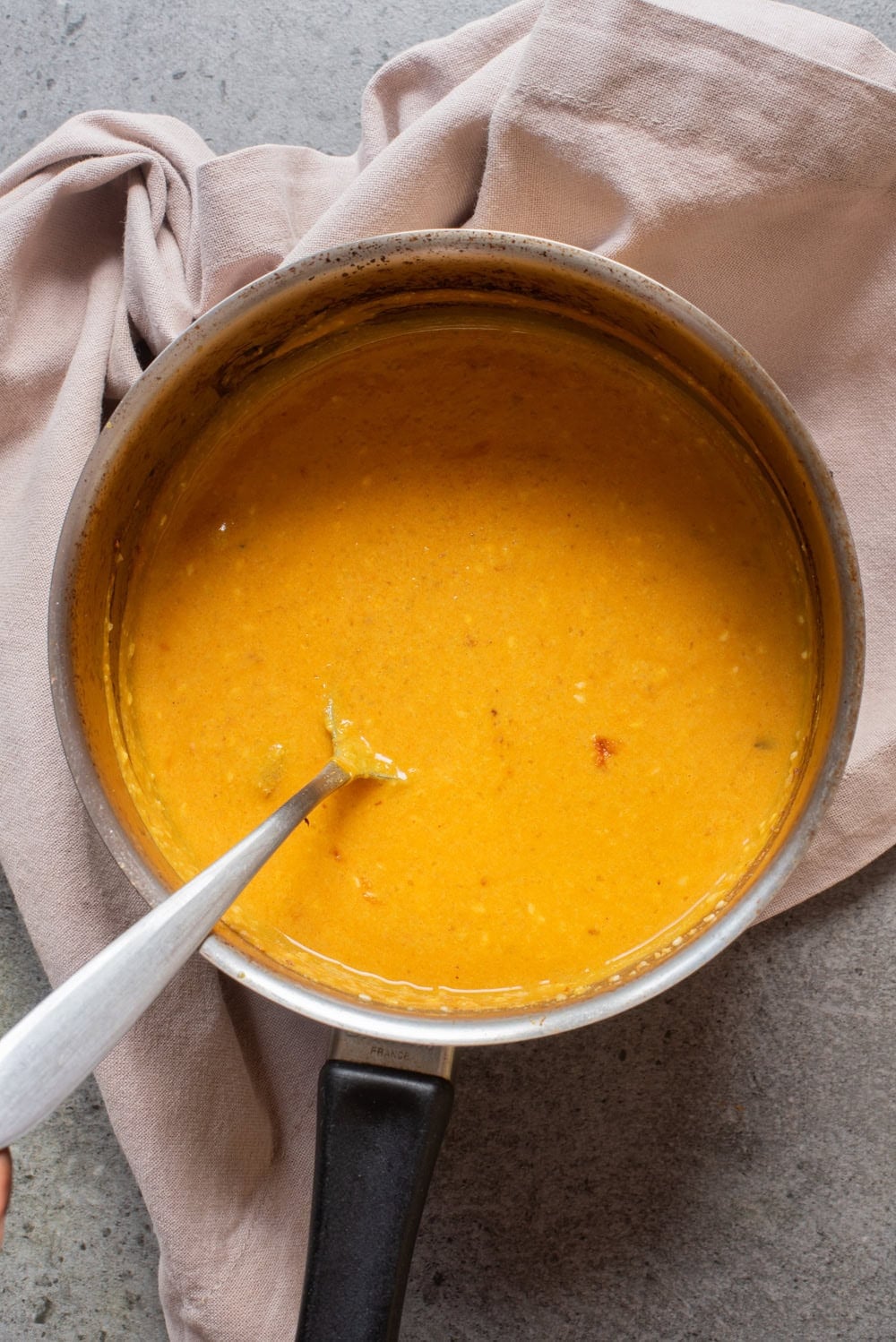
- Add the remaining coconut milk, ground peanuts, tamarind, coconut sugar, fish sauce, and turmeric, then simmer gently for 3 to 5 minutes, stirring often so the peanuts don’t catch. You’re looking for a sauce that coats the back of a spoon.
- Taste and adjust before it leaves the stove: tamarind for sour, coconut sugar for balance, fish sauce for salt. If it tightens up as it cools, a splash of coconut milk loosens it right back to dipping consistency.
How to serve Thai peanut sauce
This is the sauce I put in the middle of the table and let everyone find their own use for. Dip grilled vegetables and skewers straight into it, drizzle it over jasmine rice bowls, or toss it with hot noodles; if noodles are the plan, my spicy edamame peanut noodles show how far a peanut sauce can carry a bowl of noodles.
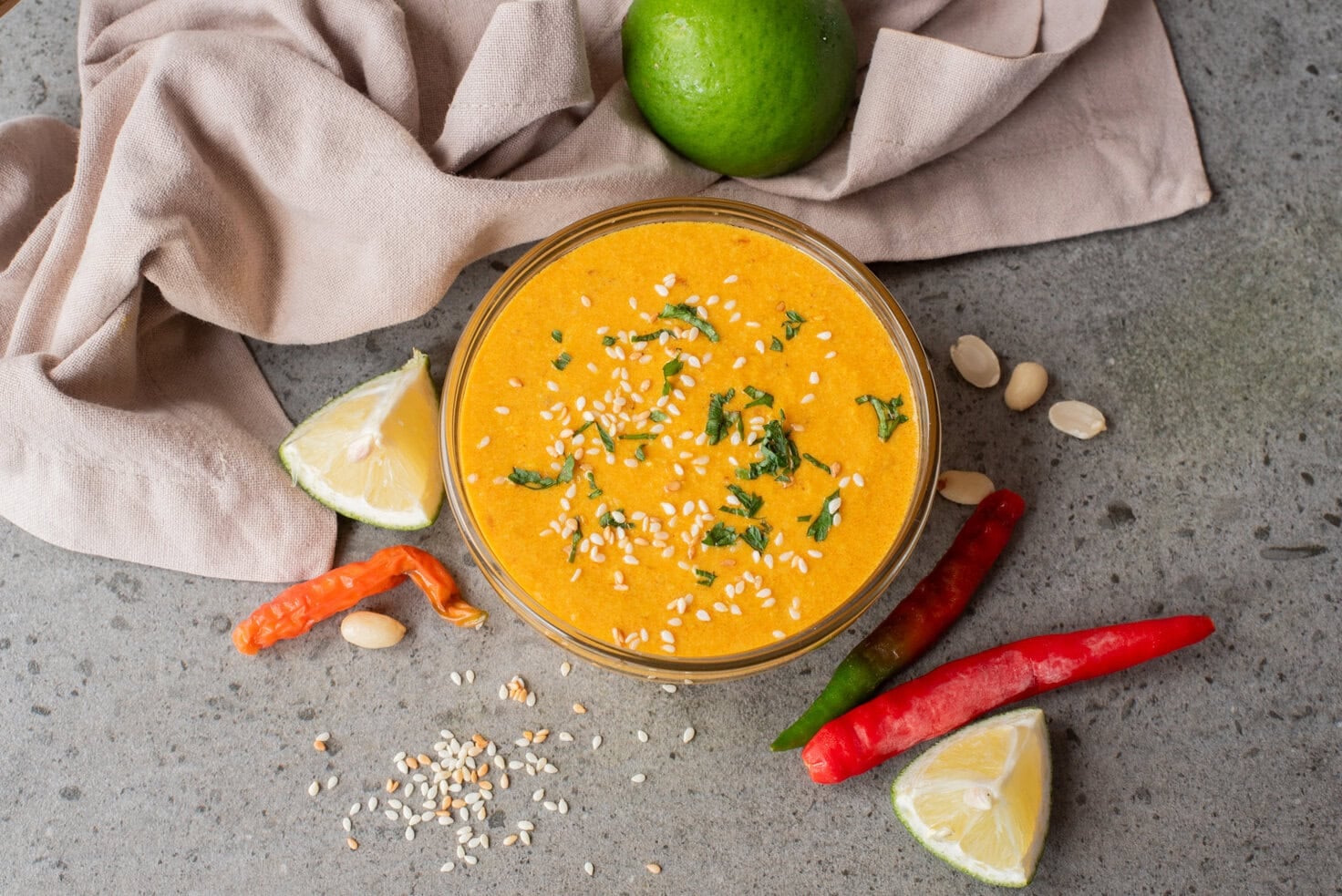
For the vegetarian table, build a plate around crispy tofu or a full tofu satay spread with this in the center. The meat eater in a mixed household can spoon the same batch over grilled chicken skewers, so nobody needs a second sauce. It’s on the gentle side for a curry-paste sauce, so it can double as a starter dip for kids, and heat lovers can push it with the spicy variation below.
Variations
- For a spicy peanut sauce, add an extra tablespoon of red curry paste during the bloom or simmer in a couple of sliced Thai chilies.
- For a smoother version, use the natural peanut butter swap from the recipe card notes; the sauce turns out creamier and a little faster.
- For a lime-forward version, squeeze in fresh lime juice at the very end, off the heat, so it stays bright.
Storage and reheating
Store the sauce in an airtight container in the fridge for up to 5 days. Reheat it gently over low heat and thin it with a splash of coconut milk, since it thickens considerably as it sits.
More recipes with peanut butter
Try these recipes that use peanut butter and/or ground peanuts.

Chickpea Peanut Butter Curry with Coconut Milk

West African Peanut Stew

No Mayo Coleslaw
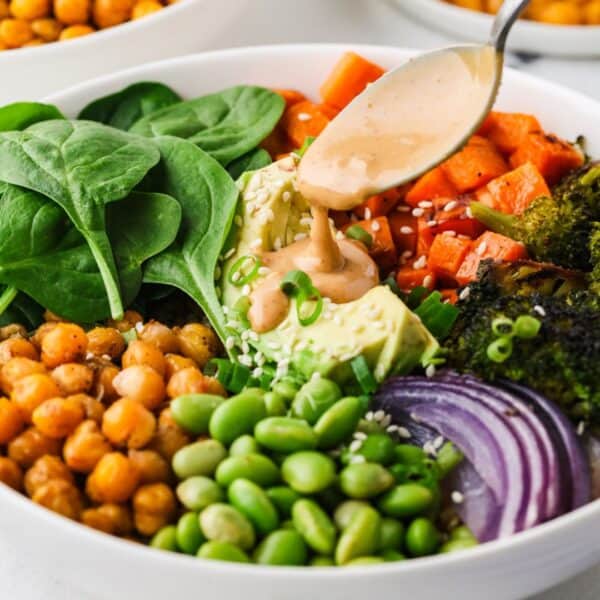
Chickpea Buddha Bowl
Thai Peanut Sauce (Satay Style)
Ingredients
- 2 tablespoons red curry paste
- 1¼ cups full-fat coconut milk, divided
- ½ cup roasted peanuts, finely ground
- 2 tablespoons tamarind paste
- 1½ tablespoons coconut sugar
- 1½ teaspoons vegetarian fish sauce
- ¼ teaspoon ground turmeric
- 2 tablespoons toasted sesame seeds, optional
Instructions
- In a small saucepan over medium heat, add ¼ cup of the coconut milk. When it begins to simmer, add the red curry paste and stir constantly for 2 minutes until very fragrant and the mixture thickens into a paste-like consistency.
- Add the remaining 1 cup coconut milk, ground peanuts, tamarind paste, coconut sugar, fish sauce, and turmeric. Stir to combine and bring to a gentle simmer. Cook for 3 to 5 minutes, stirring frequently to prevent scorching, until the sauce thickens to a dipping consistency. It should coat the back of a spoon. Add toasted sesame seeds if using.
- Taste and adjust, adding more tamarind for sourness, more coconut sugar for balance, or more fish sauce for salt. Remove from heat and set aside.
Notes
- Ground peanuts give a slightly textured, more traditional sauce; swap in ¼ cup natural peanut butter for a smoother, creamier version.
- Tamarind paste varies by brand and some are more concentrated than others. Start with 2 tablespoons and add more if you want more sourness.
- Always check the red curry paste label, since many brands contain shrimp paste. I use Mekhala, which is vegan.
- Vegetarian fish sauce can be substituted with 1 teaspoon low-sodium soy sauce plus ½ teaspoon fresh lime juice; use tamari to keep it gluten free.
- Store in an airtight container in the fridge for up to 5 days and thin with a splash of coconut milk when reheating.
Nutrition
Nutrition information is automatically calculated, so should only be used as an approximation.
Thai peanut sauce FAQs
The ingredient list is red curry paste, full-fat coconut milk, ground roasted peanuts, tamarind paste, coconut sugar, vegetarian fish sauce, and a little turmeric. The curry paste and tamarind separate it from the peanut-butter-and-hoisin sauces most restaurants serve.
Yes, swap in a quarter cup of natural peanut butter for the half cup of ground peanuts. The sauce comes out smoother and creamier, while ground peanuts give a slightly coarser, more traditional texture with a bit more depth.
Not the classic one. The sauce usually served with spring rolls is a no-cook mix of peanut butter and hoisin, while this is the cooked satay style made with curry paste and tamarind. That said, it still works well as a dip for fresh rolls if you like a deeper, spicier flavor.


