
NFNut Free RecipesVEVegetarian Recipes
Casseroles get a bad reputation for being beige and heavy, but I think they are one of the smartest ways to cook vegetables. They solve a very specific problem: you bought vegetables with good intentions and now you need them to become dinner.
Casseroles, gratins, strata, cheesy bakes… the name matters less than the move. Vegetables that feel random suddenly make sense once they’re baked with something creamy, something savory, and something golden on top.
Whether you need dinner tonight or have a zucchini situation on your hands, start below.
The Vegetarian Casserole Formula
One of my favorite ways to rescue extra vegetables is also one of the least glamorous: bake them into something. Whether you call it a casserole, gratin, strata, bake, or hotdish, the move is usually the same: vegetables + something creamy or saucy + something satisfying + something golden on top.
- Start with vegetables, usually 4-8 cups, chopped into even sized pieces. Raw for watery vegetables that cook quickly or roast first for eggplant, mushrooms, squash, cauliflower.
- Add something that holds them together, usually 1-2 cups. You can go creamy (e.g., ricotta, cottage cheese, heavy cream) or saucy (marinara, coconut milk, enchilada sauce, or cream of mushroom soup) or savory (e.g., eggs or bechamel).
- Add something filling, usually a protein of choice (optional but recommended). If I want leftovers to feel satisfying, I usually add protein. I love using chickpeas, white beans, black beans, paneer, eggs, pasta and/or rice here.
- Add the thing that makes people think you planned this, aka toppings. Cheese, breadcrumbs, Ritz crackers, herbs, or even crispy fried onions or shallots.
- Bake at 375–400°F until bubbling and golden. Voila, you’ve got yourself a crowd-pleaser!
Reader Favorite Casseroles
New here? Start with these. These are the casseroles readers come back to year after year.

GFGluten Free RecipesVEVegetarian Recipes
Savory Sweet Potato Casserole

GFGluten Free RecipesNFNut Free RecipesHPHigh Protein RecipesVEVegetarian Recipes
Corn Casserole with Cream Cheese

NFNut Free RecipesHPHigh Protein RecipesVEVegetarian Recipes
Cheesy Green Bean Casserole

VEVegetarian Recipes
Squash Casserole with Stuffing
Summer Casseroles by Produce
Summer casseroles are underrated. They’re one of my favorite ways to turn farmers market finds, garden overflow, and vegetables that looked like a good idea into actual dinner.

NFNut Free RecipesHPHigh Protein RecipesVEVegetarian Recipes
Eggplant Casserole

NFNut Free RecipesVEVegetarian Recipes
Butternut Squash Casserole

NFNut Free RecipesVEVegetarian Recipes
Squash and Zucchini Casserole

NFNut Free RecipesVEVegetarian Recipes
Corn Casserole without Jiffy

VEVegetarian Recipes
Spinach Casserole

VEVegetarian Recipes
Green Bean Casserole with Cream Cheese

NFNut Free Recipes
Carrot Casserole

GFGluten Free RecipesNFNut Free RecipesHPHigh Protein RecipesVEVegetarian Recipes
Spaghetti Squash Casserole

Weeknight Casseroles
These are the casseroles I reach for when I want dinner without standing over the stove. They are practical, flexible, mostly complete meals, vegetable-forward, and good for leftovers.

NFNut Free RecipesHPHigh Protein RecipesVEVegetarian Recipes
Vegetarian Enchilada Casserole
GFGluten Free RecipesHPHigh Protein RecipesVEVegetarian Recipes
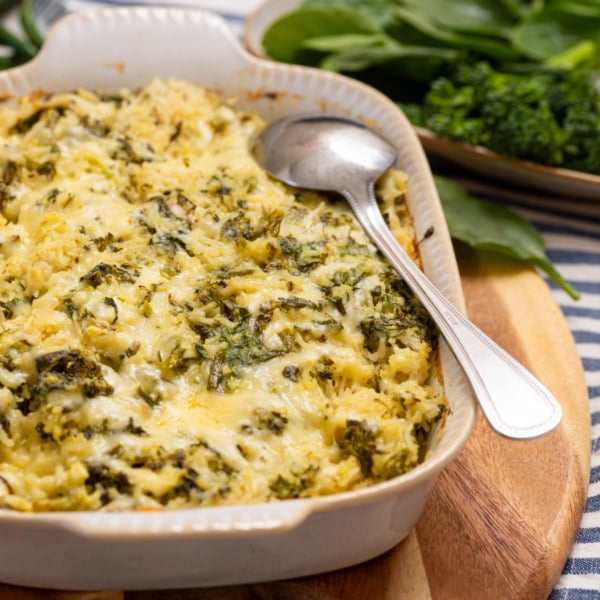
Green Rice Casserole with Broccoli and Spinach

NFNut Free RecipesHPHigh Protein RecipesVEVegetarian Recipes
Vegetable Lasagna

GFGluten Free RecipesNFNut Free Recipes
Vegetarian Tater Tot Casserole
NFNut Free RecipesHPHigh Protein RecipesVEVegetarian Recipes
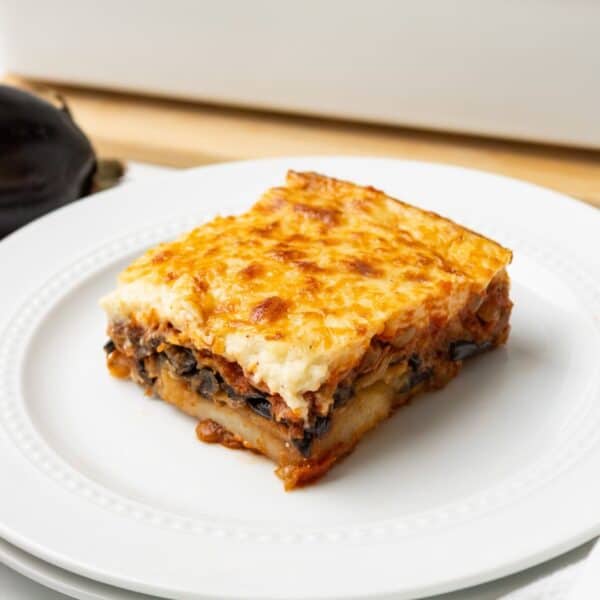
Vegetarian Moussaka

NFNut Free RecipesHPHigh Protein RecipesVEVegetarian Recipes
Spaghetti Squash Lasagna

GFGluten Free RecipesNFNut Free RecipesHPHigh Protein RecipesVEVegetarian Recipes
Eggplant Rollatini

NFNut Free RecipesHPHigh Protein RecipesVEVegetarian Recipes
Green Goddess Pasta Bake
Breakfast Casseroles
Not every casserole is dinner. These are the recipes I reach for when feeding people in the morning, making brunch feel easier, or wanting something that can sit on the counter for a bit while coffee happens.

GFGluten Free RecipesNFNut Free RecipesHPHigh Protein RecipesVEVegetarian Recipes
Cottage Cheese Egg Bake
NFNut Free RecipesHPHigh Protein RecipesVEVegetarian Recipes
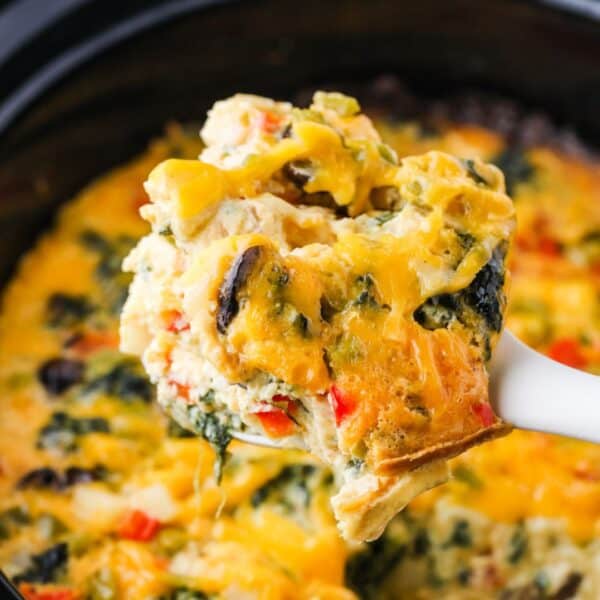
Vegetarian Slow Cooker Breakfast Casserole

NFNut Free RecipesHPHigh Protein RecipesVEVegetarian Recipes
French Toast Bake with Croissants

NFNut Free RecipesVEVegetarian Recipes
Pineapple Stuffing
Casseroles Year-Round
Some vegetables never really leave rotation. These are the casseroles I come back to regardless of season because they work with pantry staples, frozen vegetables, and produce that’s easy to find most of the year.

GFGluten Free RecipesNFNut Free RecipesVEVegetarian Recipes
Potato Leek Gratin

NFNut Free RecipesVEVegetarian Recipes
Baked Cauliflower with Cheese

NFNut Free RecipesHPHigh Protein RecipesVEVegetarian Recipes
Cheesy Potatoes (Real Potatoes!)

NFNut Free RecipesVEVegetarian Recipes
3 Ingredient Broccoli Cheese Casserole
Shruthi’s Top Tips & Troubleshooting
What vegetables work best in casseroles?
The best vegetables for casseroles are the ones that either soften nicely or benefit from baking. Broccoli, cauliflower, spinach, corn, zucchini, eggplant, tomatoes, mushrooms, green beans, and squash all work especially well. If the vegetable releases a lot of water (looking at you, zucchini), roasting or salting first can help.
Can casseroles be made ahead?
Usually, yes. Most casseroles can be assembled up to 1–2 days ahead and refrigerated until you’re ready to bake. If your casserole has a crunchy topping, I usually wait and add that right before baking so it stays crisp.
Can casseroles be frozen?
Many casseroles freeze surprisingly well, especially recipes with beans, cheese, tomato sauces, cooked vegetables, or hearty grains. For best texture, cool completely, wrap tightly, and freeze before or after baking depending on the recipe. Fresh toppings are often better added later.
How do I stop casseroles from becoming watery?
Watery casseroles usually come from vegetables releasing more liquid than expected. A few easy fixes – roast vegetables first, salt and drain watery vegetables like zucchini, sauté mushrooms before baking, squeeze moisture out of spinach, or let casseroles rest for 10–15 minutes before serving (that rest time makes a bigger difference than people think).
Do casseroles always need condensed soup?
No. Condensed soup is classic for some casseroles, but plenty use ricotta, cottage cheese, Greek yogurt, marinara, cream, broth, eggs, or homemade sauces instead. Think of the creamy layer as the thing that ties everything together, not a required ingredient.
What can I use instead of breadcrumbs?
Anything that adds contrast. Try crushed crackers, crispy onions, extra cheese – especially if you broil it for a few seconds at the end, toasted nuts, or crushed chips. The best casseroles usually have something creamy and something crisp.
How do I turn a vegetable casserole into dinner?
If a casserole feels more like a side dish than a meal, add something with staying power. My rule is simple: vegetables + protein + something that makes leftovers exciting. A few easy additions: beans, lentils, tofu, eggs, cottage cheese, pasta, rice or bread.
All Casseroles

GFGluten Free RecipesNFNut Free RecipesVEVegetarian Recipes
Cheesy Rice Casserole with Leftover Rice
NFNut Free RecipesVEVegetarian Recipes
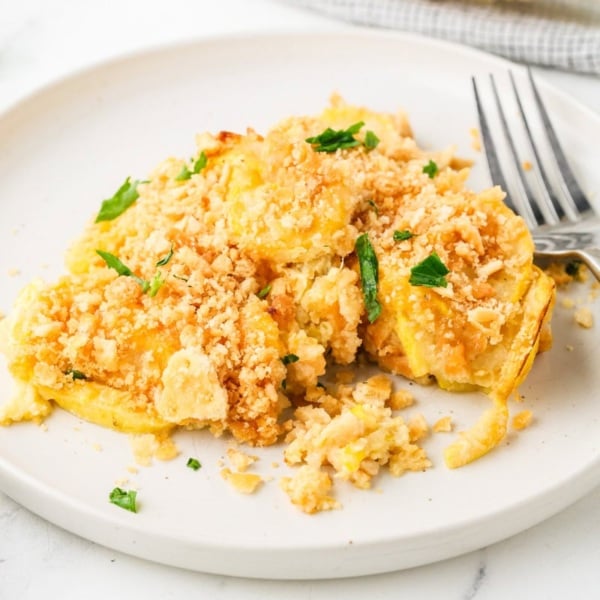
Southern Yellow Squash Casserole with Ritz Cracker Topping
NFNut Free RecipesHPHigh Protein RecipesVEVegetarian Recipes
Eggplant Casserole
NFNut Free RecipesHPHigh Protein RecipesVEVegetarian Recipes
Vegetable Lasagna
NFNut Free RecipesVEVegetarian Recipes
3 Ingredient Broccoli Cheese Casserole
NFNut Free RecipesHPHigh Protein RecipesVEVegetarian Recipes
French Toast Bake with Croissants
NFNut Free RecipesVEVegetarian Recipes
Easy, Cheesy Asparagus Casserole
GFGluten Free RecipesNFNut Free RecipesVEVegetarian Recipes
Potato Leek Gratin
NFNut Free RecipesHPHigh Protein RecipesVEVegetarian Recipes
Vegetarian Moussaka
NFNut Free RecipesHPHigh Protein RecipesVEVegetarian Recipes
Vegetarian Slow Cooker Breakfast Casserole
NFNut Free RecipesVEVegetarian Recipes
Pineapple Stuffing
NFNut Free RecipesVEVegetarian Recipes
Butternut Squash Casserole

NFNut Free RecipesVEVegetarian Recipes
Slow Cooker Green Bean Casserole
NFNut Free RecipesHPHigh Protein RecipesVEVegetarian Recipes
Cheesy Green Bean Casserole
VEVegetarian Recipes
Green Bean Casserole with Cream Cheese
NFNut Free RecipesHPHigh Protein RecipesVEVegetarian Recipes
Cheesy Potatoes (Real Potatoes!)
NFNut Free RecipesHPHigh Protein RecipesVEVegetarian Recipes
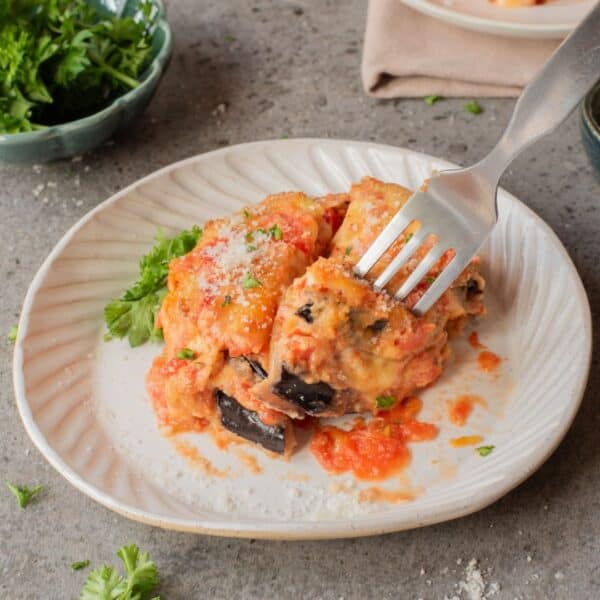
Eggplant Parmesan
GFGluten Free RecipesNFNut Free RecipesHPHigh Protein RecipesVEVegetarian Recipes
Eggplant Rollatini
NFNut Free RecipesHPHigh Protein RecipesVEVegetarian Recipes
Green Goddess Pasta Bake
VEVegetarian Recipes
Spinach Casserole
NFNut Free RecipesHPHigh Protein RecipesVEVegetarian Recipes
Spaghetti Squash Lasagna
GFGluten Free RecipesNFNut Free RecipesHPHigh Protein RecipesVEVegetarian Recipes
Spaghetti Squash Casserole
VEVegetarian Recipes
Squash Casserole with Stuffing
NFNut Free RecipesVEVegetarian Recipes
Squash and Zucchini Casserole
NFNut Free RecipesHPHigh Protein RecipesVEVegetarian Recipes
Vegetarian Enchilada Casserole
NFNut Free RecipesVEVegetarian Recipes
Corn Casserole without Jiffy
NFNut Free RecipesVEVegetarian Recipes
Baked Cauliflower with Cheese
NFNut Free Recipes
Carrot Casserole
GFGluten Free RecipesNFNut Free Recipes
Vegetarian Tater Tot Casserole
GFGluten Free RecipesVEVegetarian Recipes
Savory Sweet Potato Casserole
GFGluten Free RecipesNFNut Free RecipesHPHigh Protein RecipesVEVegetarian Recipes
Corn Casserole with Cream Cheese
GFGluten Free RecipesHPHigh Protein RecipesVEVegetarian Recipes


