
My traditional naan comes out soft, blistered, and full of air pockets from a cast iron skillet, no tandoor required. The yogurt dough keeps it tender, and I brush each piece with water before it hits the pan so it puffs. Just under two hours for homemade naan, most of it hands off.
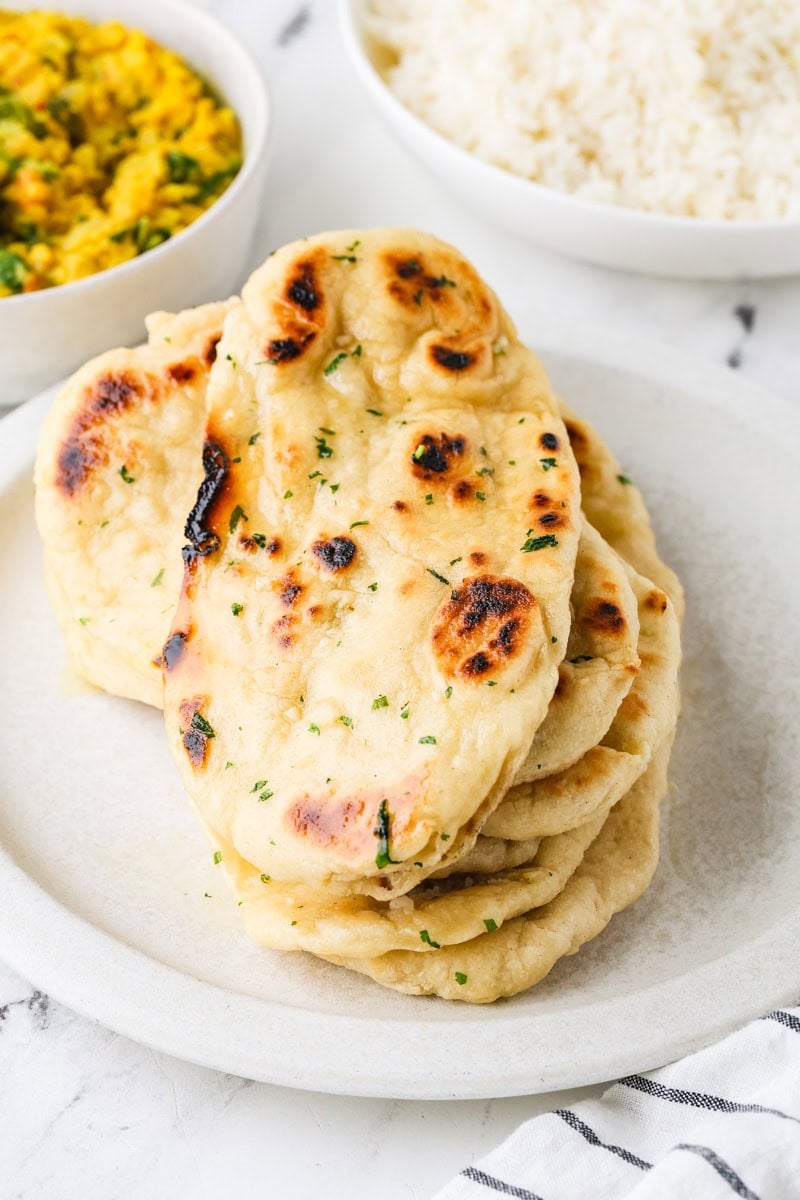
My cast iron naan blisters the way tandoor naan does

Naan is baked in a tandoor, against a clay wall hot enough to sear the dough the second it touches. That heat does two jobs. It sets the underside instantly, and it flashes the moisture inside the dough into steam that blows the middle open. A stovetop gets nowhere close.
Two moves get most of it back, and they took me 6 rounds to work out. Cast iron holds heat the way a thin pan cannot, so preheated hard means it sears instead of warming. Then I brush the rolled dough with water and lay it wet side down so it grabs the hot surface, then cover the pan so the top stays humid long enough to inflate. Skip the water and it slides and browns. Skip the lid and the top dries flat. I have done both.
The yogurt makes this dough forgiving. It rolls out soft instead of fighting back, and it leaves a faint tang you notice next to a plain flour-and-water flatbread. This is the bread I make for almost everything in the rest of my Indian vegetarian recipes.

What goes into a traditional naan dough
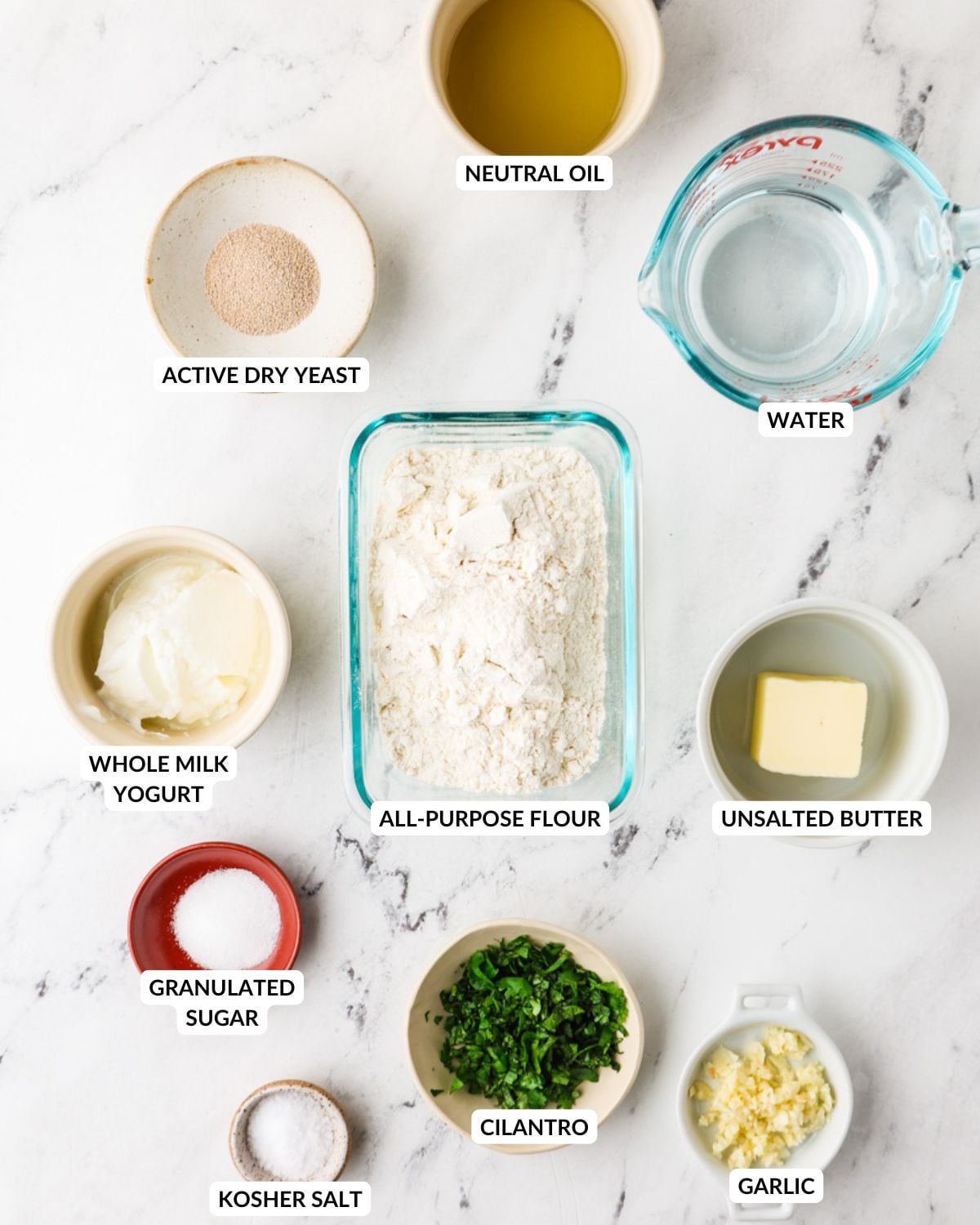
Full ingredient list and detailed instructions in the recipe card.
- Plain whole milk yogurt gives the softest dough. Greek is strained, so it tightens things up unless you loosen it with a tablespoon of water first. Nonfat works, slightly drier.
- Active dry yeast is the leavening, and it is the main thing separating naan from roti. Bloom it first. Foamy in ten minutes or it is dead.
- All-purpose flour keeps this soft. Bread flour works and King Arthur recommends it for naan, but the extra protein buys you chew instead, so pick the texture you want. Whole wheat swaps in up to half.
- Two cups of flour is 240g, and cup measures swing depending on how you scoop. Every measure here is US.
- Ghee stands in for the butter if you keep it around, and it earns its place next to the rest of the Indian pantry staples worth keeping stocked.
Shruthi’s Top Tips
Getting cast iron naan to blister, every time
The failures I ran into, and what fixed each one.
- Get the pan hotter than feels sensible, then back off. High for three to four minutes until a flicked drop of water vanishes, then down to medium-high to cook. This is the most common reason home naan comes out flat. Open a window, it will smoke.
- Rest the balls ten minutes before rolling. Freshly punched dough springs back and fights the pin.
- Roll one at a time, right before it goes in. Pre-rolled dough relaxes and cooks up flatter. It feels inefficient. Do it anyway.
- The water will spit when it hits the iron. Lay the dough down flat in one motion anyway, because hesitating is how you get a folded edge.
- Wipe the pan between naan. Loose flour scorches by the third one and reads like the pan is too hot when the flour is the problem.
- Brush the garlic butter on while they are still hot so it soaks in.
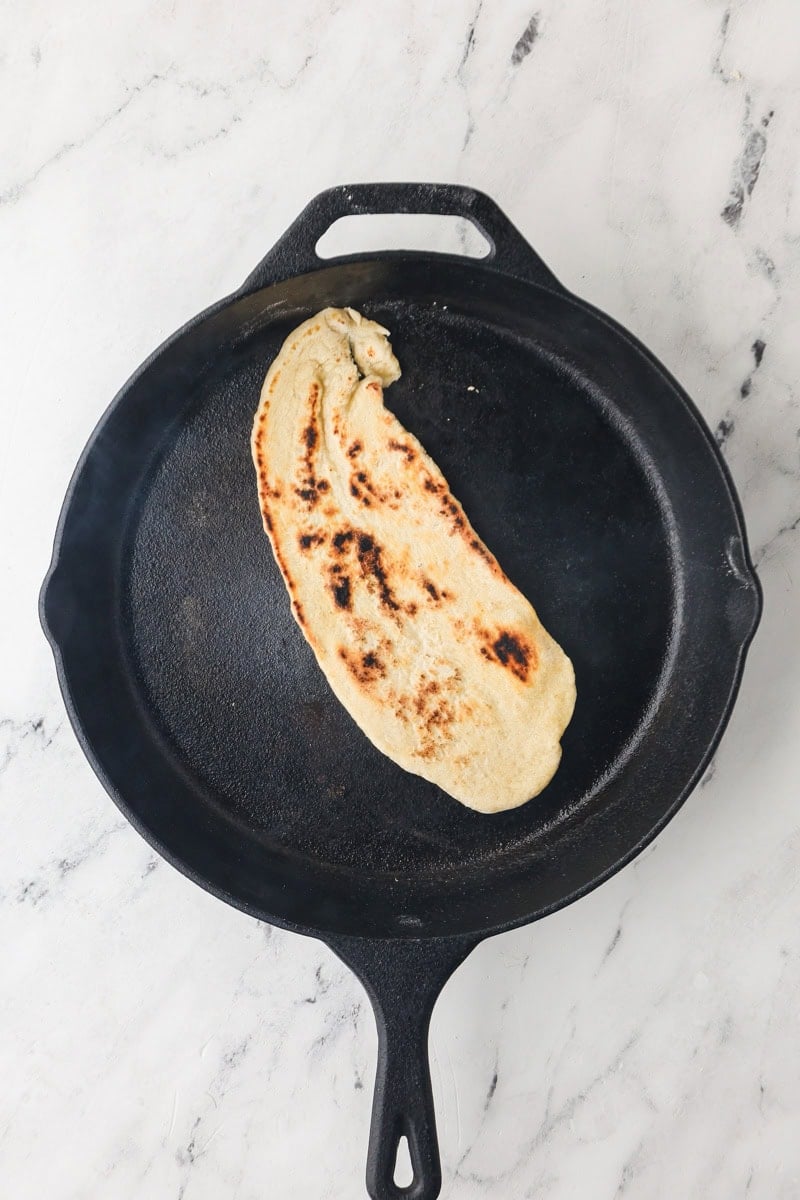
- Look for black blistering, not an even tan. Uniform gold means undercooked, and it tastes like it.
How to make traditional naan
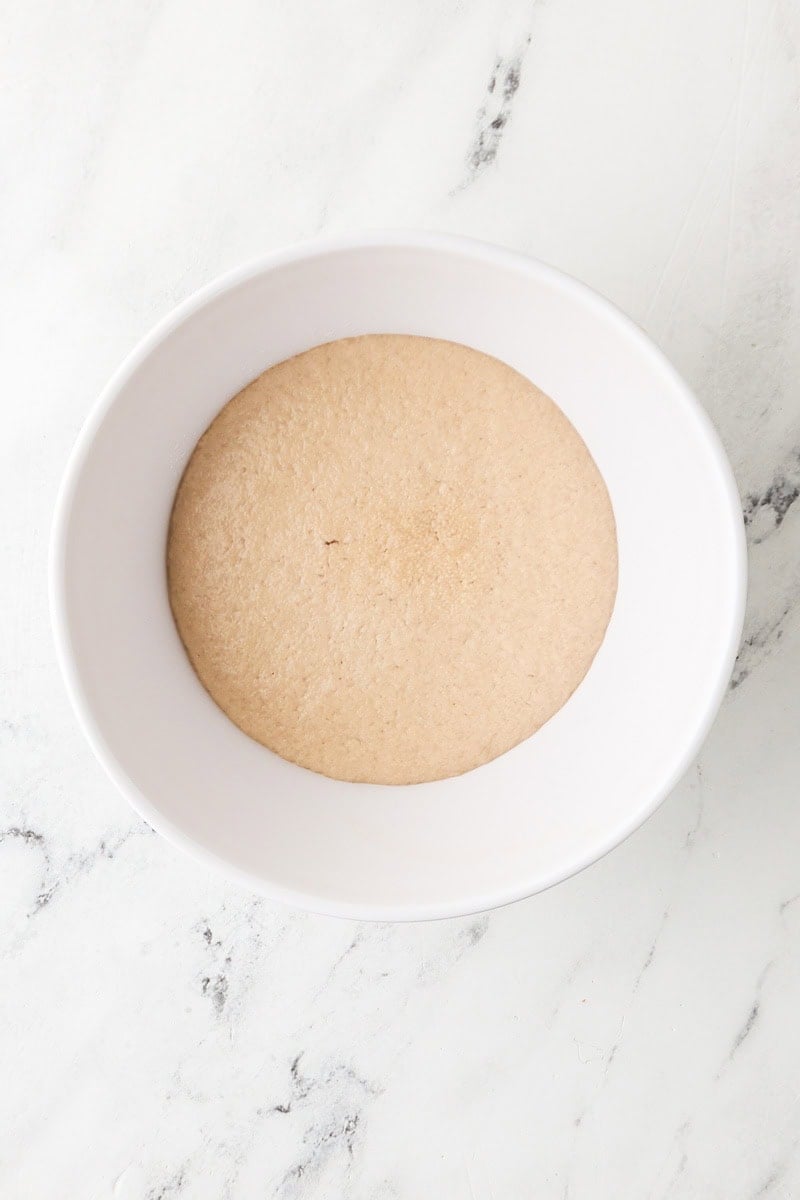
- Whisk the sugar into the warm water until it dissolves, scatter the yeast over the top, and leave it alone for eight to ten minutes until the surface is foamy.
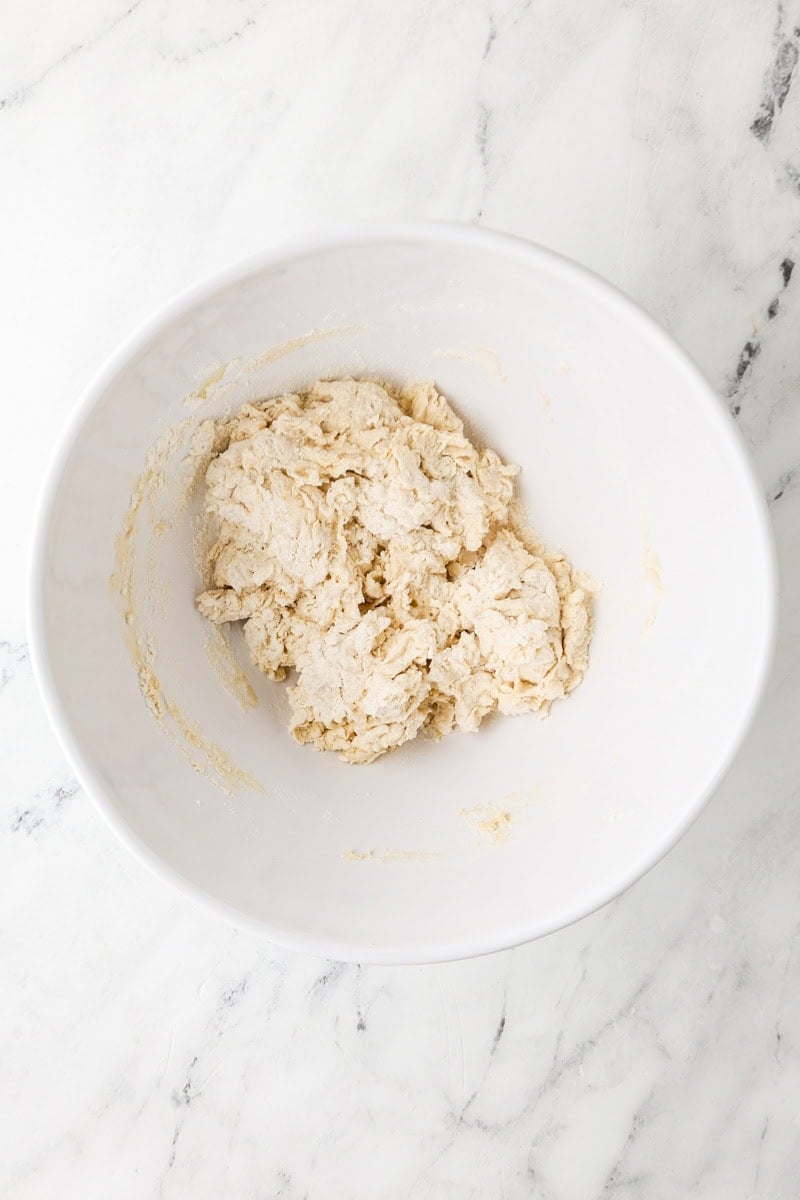
- Whisk the flour and salt together in a large bowl. Stir the yogurt and neutral oil into the foamy yeast, pour it into the flour, and mix to a shaggy dough.
- Knead gently on a floured surface for two to three minutes, just until it comes together smooth and slightly tacky, then stop.
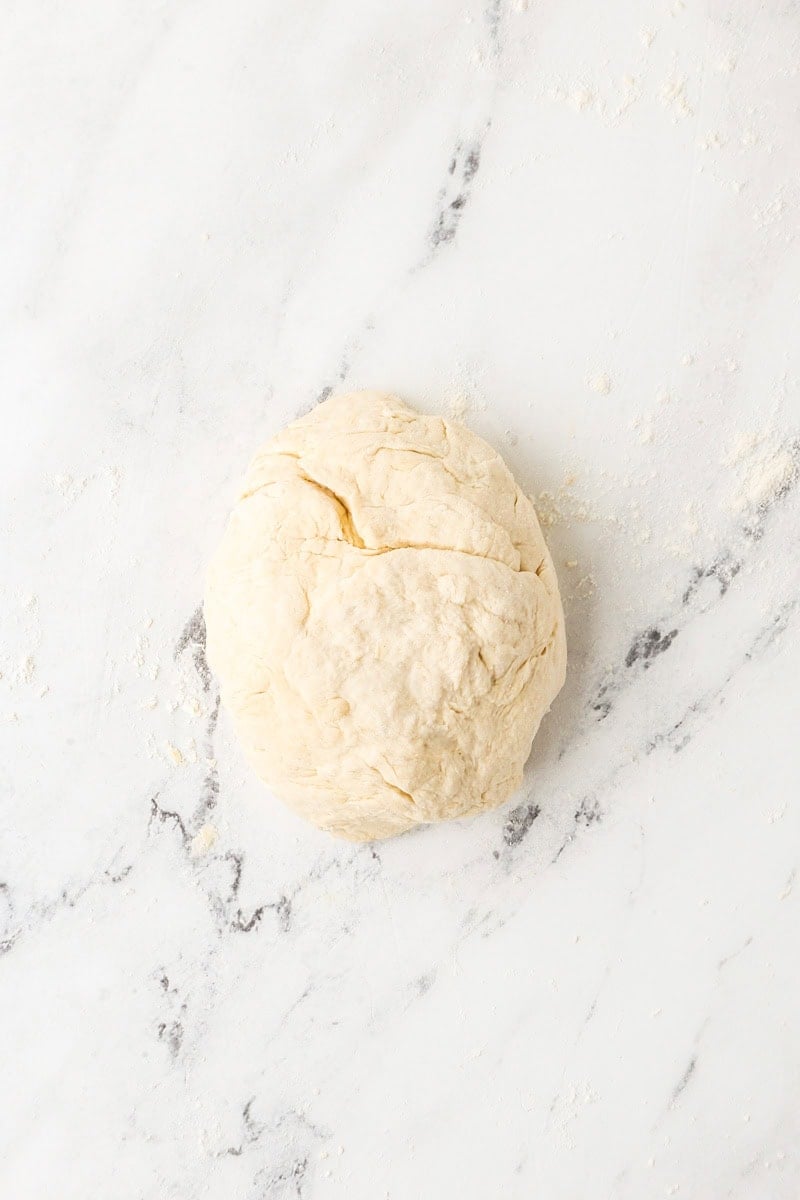
- Turn the dough into an oiled bowl, cover, and let it rise somewhere warm for an hour until doubled. Punch it down, divide into 6 pieces, roll each into a ball, and let them rest ten minutes.
- Preheat the cast iron on high for three to four minutes until a drop of water skitters instantly, then drop to medium-high. Roll one ball into an oval about 7 inches long, brush one side with a thin film of water, and lay it water-side down on the pan.
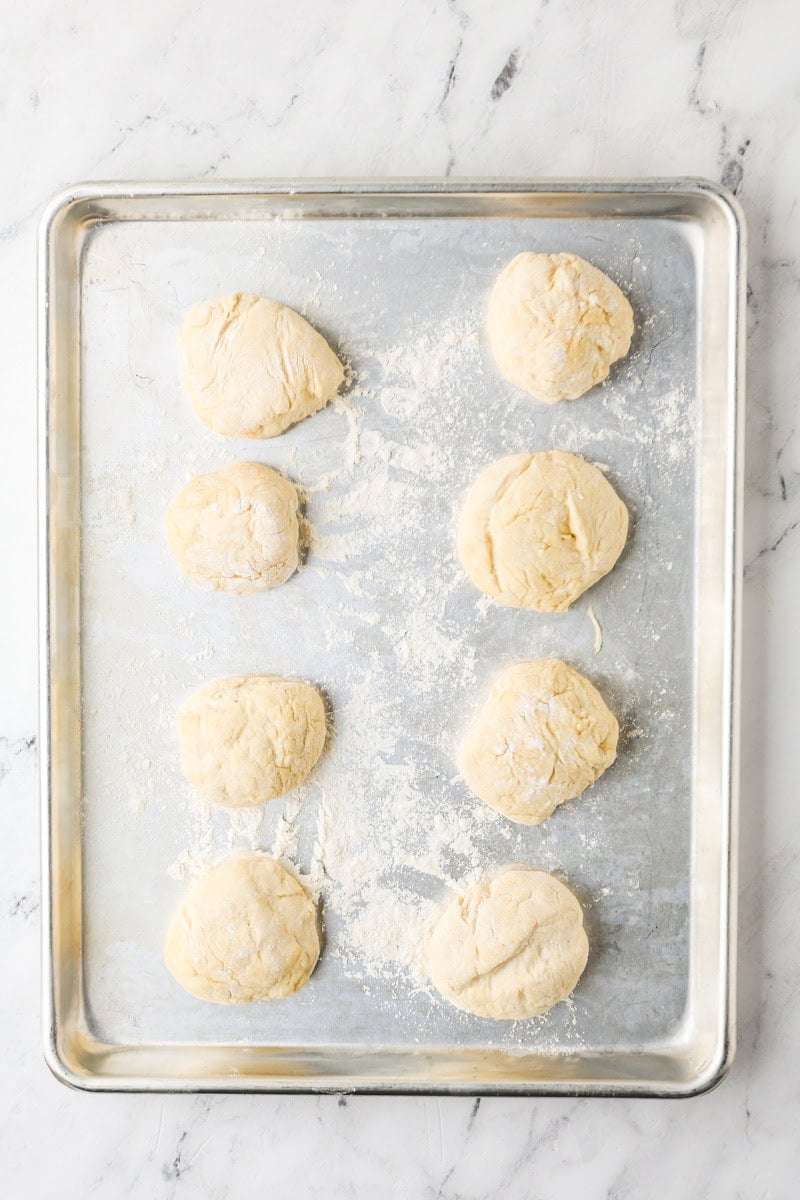
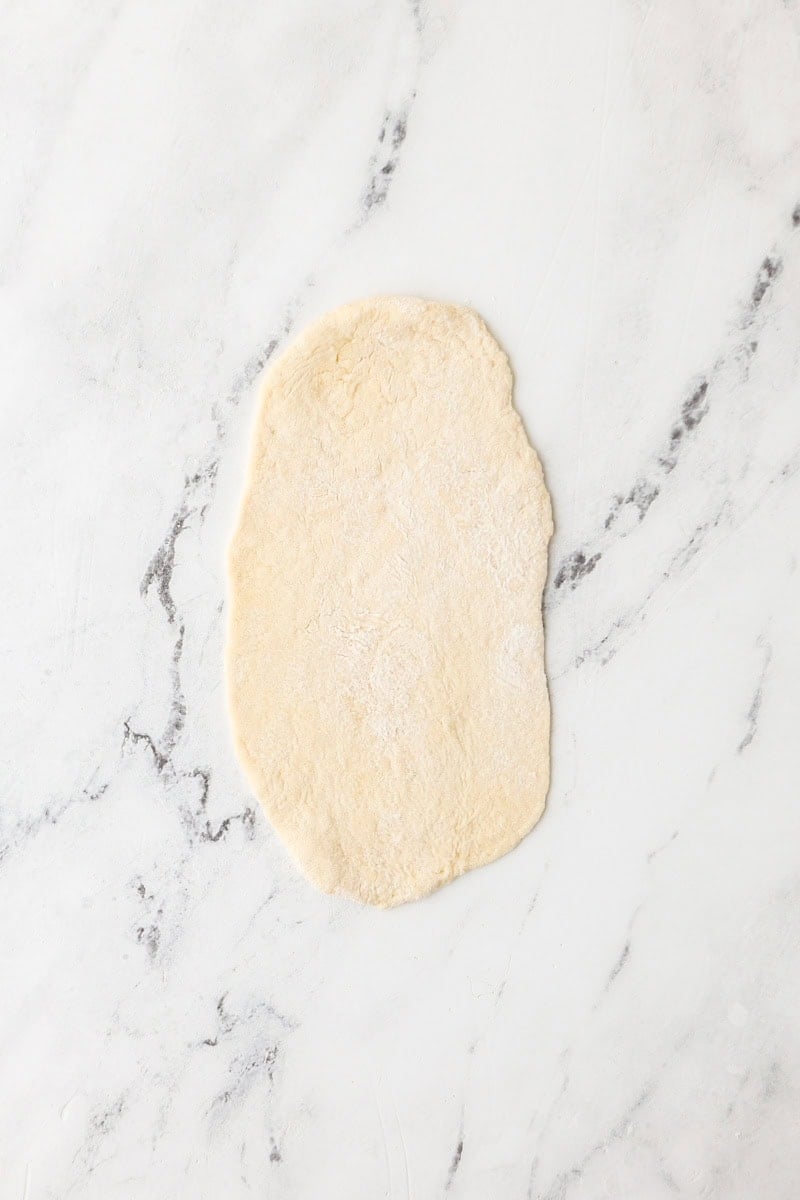
- Cover and cook 60 to 90 seconds until the top is domed with big bubbles and the underside is charred in patches. Flip, cook uncovered 45 to 60 seconds, and move it to a towel.
- Repeat with the rest, wiping loose flour from the pan between each, then stir the garlic and cilantro into the melted butter and brush every naan while it is hot.

How to serve traditional naan
Naan is the scoop, so the plate gets built around whatever it is scooping. I tear it into chana masala, which is what I make this for most, or into a pot of dal tadka, and the chickpeas or lentils do the filling work. Add a cooling Indian yogurt sauce on the side and something green roasted while the dough rises, and dinner is done without cooking anything else.

At a mixed table naan is the easiest thing on it, because everyone eats bread. The meat eaters here pull it apart with butter chicken or tandoori chicken and nothing about the dough changes. Kids will usually take it plain and warm, so I lift one off the skillet before the garlic butter goes on. For a crowd, the dough keeps in the fridge overnight after its rise, which means you can roll and cook to order while people stand around the stove.
Variations
- For vegan naan, use a plain unsweetened vegan yogurt and finish with vegan butter or oil instead of dairy butter.
- For gluten free naan, use a self-rising gluten free flour and skip the yeast, the bloom and the rise entirely, then roll and cook as written. Other gluten free flours have not worked for me here.
- For whole wheat naan, swap up to half the all-purpose flour. Past half it stops puffing properly.
- Press nigella seeds or chopped cilantro into the rolled dough before it hits the pan if you keep either around, which is how it is often finished at a tandoor.
- For heat, stir chili flakes into the garlic butter rather than the dough, so you can keep a couple plain for anyone who wants them mild.
- Day-old naan is better repurposed than reheated, so turn day-old naan into naan pizza.
Storage and reheating
Naan is best straight off the skillet, but it keeps in an airtight container for a day at room temperature and three days in the fridge, and it freezes for up to three months with parchment between the pieces. To reheat, wrap in foil and warm at 350°F for five to seven minutes, or put it back on a hot dry skillet for about 30 seconds a side. Skip the microwave, which turns it rubbery.

Traditional Naan with Yogurt
Ingredients
For the dough:
- 1 teaspoon granulated sugar
- ½ cup warm water, 100 to 110°F, warm to the touch but not hot
- 2 teaspoons active dry yeast
- 2 cups all-purpose flour, plus more for dusting
- 1 teaspoon kosher salt
- ⅓ cup plain whole milk yogurt, room temperature
- 2 tablespoons neutral oil, such as avocado or vegetable
For the garlic butter finish:
- 3 tablespoons unsalted butter, melted
- 2 cloves garlic, finely minced
- 1 tablespoon fresh cilantro, finely chopped
Instructions
For the dough:
- In a small bowl, whisk together the sugar and warm water until the sugar dissolves. Sprinkle the yeast over the top and let it sit undisturbed for 8 to 10 minutes, until the surface is foamy and smells like bread. If it does not foam, the yeast is dead. Start over with fresh yeast.
- Whisk together the flour and salt in a large mixing bowl.
- Add the yogurt and neutral oil to the foamy yeast mixture and stir with a fork to combine. Pour the wet mixture into the flour and stir with a wooden spoon until a shaggy dough forms. If you are using Greek yogurt, stir a tablespoon of water or milk into it first so the dough does not come out tight.
- Turn the dough onto a lightly floured surface and knead gently for 2 to 3 minutes, just until it comes together into a smooth, slightly tacky ball. Do not overwork it. Naan dough should feel soft and pillowy, not tight.
- Lightly oil a large bowl, at least double the size of the dough. Place the dough in the bowl, turn it once to coat, and cover with a damp kitchen towel or plastic wrap. Set it in a warm spot, next to a warm oven or inside the oven with just the light on, and let it rise for 1 hour, or until doubled in size. If you have time, 1½ to 2 hours gives you even softer naan.
- Punch down the risen dough and turn it onto a lightly floured surface. Divide into 6 equal pieces, about 78g each if you have a kitchen scale. Roll each piece into a smooth ball, cover loosely, and let them rest for 10 minutes so they roll out without springing back.
For cooking:
- Heat a cast iron skillet or tava over high heat for at least 3 to 4 minutes. A flicked drop of water should skitter and vanish on contact. Drop the heat to medium-high before the first naan goes in, and open a window, because the pan will smoke a little.
- Working with one ball at a time, dust with flour and roll into a teardrop or oval about 7 inches long and 5 inches across. Do not roll them all at once. The dough relaxes and loses its puff if it sits rolled out.
- Brush one side of the rolled naan with a thin film of water using your fingers or a pastry brush. Place the watered side down on the hot skillet, laying it flat in one motion. It will spit briefly. Within seconds you will see small bubbles forming on the surface.
- Cover the skillet with a well-fitting lid and cook for 60 to 90 seconds, until the bottom is deeply golden with charred spots and the top is domed with large bubbles.
- Flip the naan and cook the second side, uncovered, for 45 to 60 seconds, until charred in spots. The finished naan should carry dramatic black blisters where the air pockets formed.
- Transfer to a clean kitchen towel and cover to keep warm. Wipe loose flour out of the pan with a dry towel, then repeat with the next ball. If the skillet starts smoking hard or the naan browns before it puffs, drop to medium and let it recover for a minute.
- Stir the minced garlic and chopped cilantro into the melted butter while the last naan cooks. Brush each warm naan generously with the garlic butter and serve immediately.
Notes
- The water and the lid are one technique. The water helps the dough grab the hot iron, the way it does against a tandoor wall, and the lid keeps the top humid long enough for the inside to inflate. Leave out either and the naan bakes flat.
- Cast iron or a tava, never nonstick, plus a lid that actually fits the pan. The lid is the piece most people are missing.
- Roll one at a time. Pre-rolled dough relaxes and loses its puff.
- Plain whole milk yogurt gives the softest dough. Greek works if you loosen it with a tablespoon of water first.
- All cup measures here are US cups. Weights are given for the flour and yogurt.
- Best fresh. Keeps 1 day at room temperature, 3 days refrigerated, or 3 months frozen with parchment between the pieces. Reheat wrapped in foil at 350°F for 5 to 7 minutes, or on a hot dry skillet 30 seconds a side.
Nutrition
Nutrition information is automatically calculated, so should only be used as an approximation.


This recipe was fast, super easy, and the naan are awesome!
This is the 4th naan recipe I’ve tried (including from well-known Indian chefs!) and it’s the only one that gives a result of “restaurant-like” naan. The keys seem to be a really hot cast iron pan and the technique of putting some water on one side of the naan as it cooks with a lid on the pan. The tips are very helpful.
Thank you so much Linda! Glad it worked for you and that the tips were helpful!
Should i put it on highest heat possible without burning?
Loved this recipe!! First time making naan from scratch and it will not be the last! 🙂 delicious
Thanks so much, Alice!
Thank you so much for the recipe
Always wanted to try it out but didn’t have the courage.
Now I am more positive to make it again and again
Thank you so much, Fatima! I’m so glad you can enjoy this homemade naan as much as I do! Please don’t hesitate to reach out if you have any questions!
First time making my own naan and it was simple, easy to follow and most important tasty as hell!
I love naan bread and can’t wait to try your recipe. It is so good for sopping up all the sauces from delicious dinners and I love how delicious this naan looks. Thanks for sharing!
Is your cup uk or us cup?
US cup! And yes, initially to heat up the cast iron, use the highest setting, but then once you’re cooking the naan, you can turn it down to medium heat.
I had no idea it was this easy to make. I can’t wait to try this!
I always wanted to learn how to make naan bread at home, and I now feel confident with your detailed recipe. The bread sounds delicious and seems easy enough to make too.
I’ve always wanted to make my own naan — thanks for breaking it down to make it easy!!