

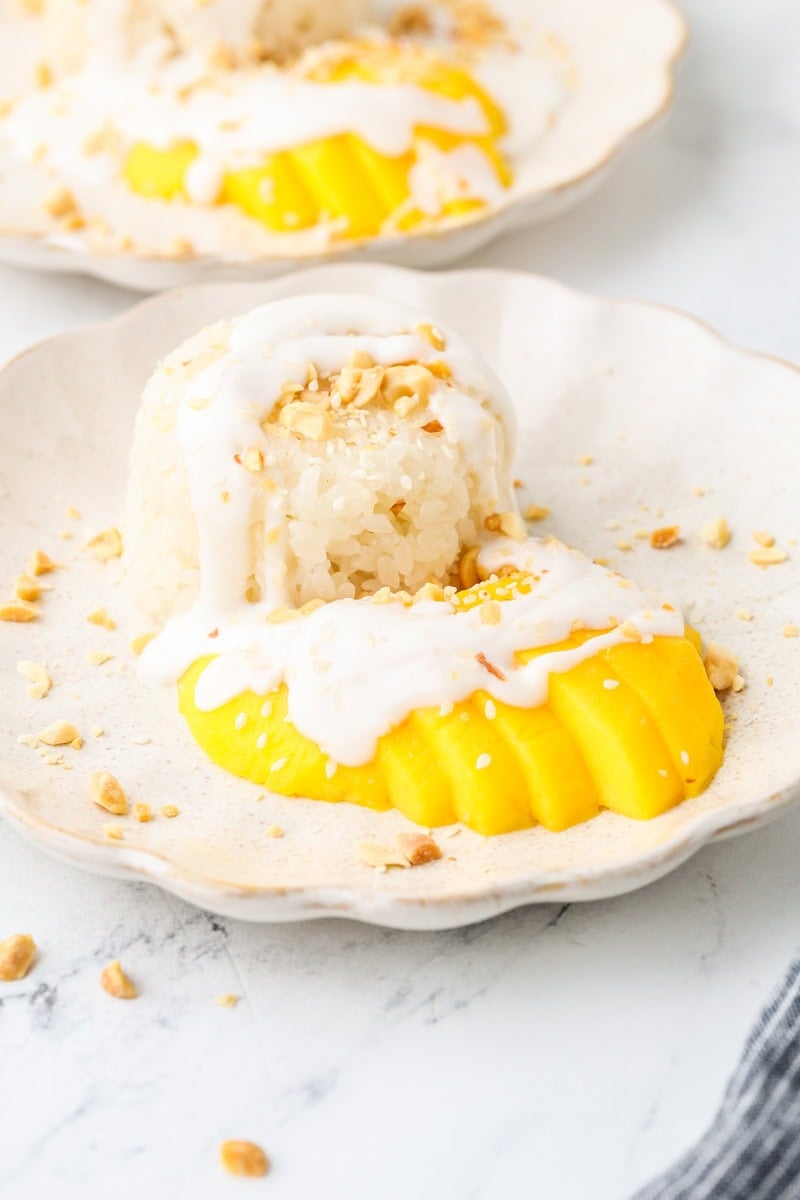
My Thai mango sticky rice uses coconut cream and palm sugar instead of coconut milk and white sugar for a richer, caramelized version. I learned this version in Koh Samui. The rice soaks for 4 hours and steams for 35 minutes in a metal steamer (no bamboo basket needed). A 25 minute rest in the hot coconut sauce gives it that signature glossy chew. Ripe mango, coconut drizzle, and crushed peanuts to finish. Vegan and gluten free, serves 4.
Why coconut cream, not coconut milk

A lot of chefs explicitly recommend against coconut cream for mango sticky rice and uses white sugar to keep the rice pure white. And that’s totally fair and traditional!
But there’s another school of thought which I learned in Thailand: coconut cream gives the finished rice more body and a slightly caramelized edge. Paired with palm sugar, the rice picks up a soft amber tone and deeper sweetness.
The bloom is the non-negotiable part. Hot rice, hot sauce, fold once, cover, walk away for 25 minutes. No stirring, no peeking. The rice absorbs the sauce slowly and evenly, and the grains develop the glossy, slightly chewy texture that defines real mango sticky rice. Skip or rush this step and you get rice with sauce on top instead of rice that tastes like mango sticky rice.

Key ingredients and why they matter
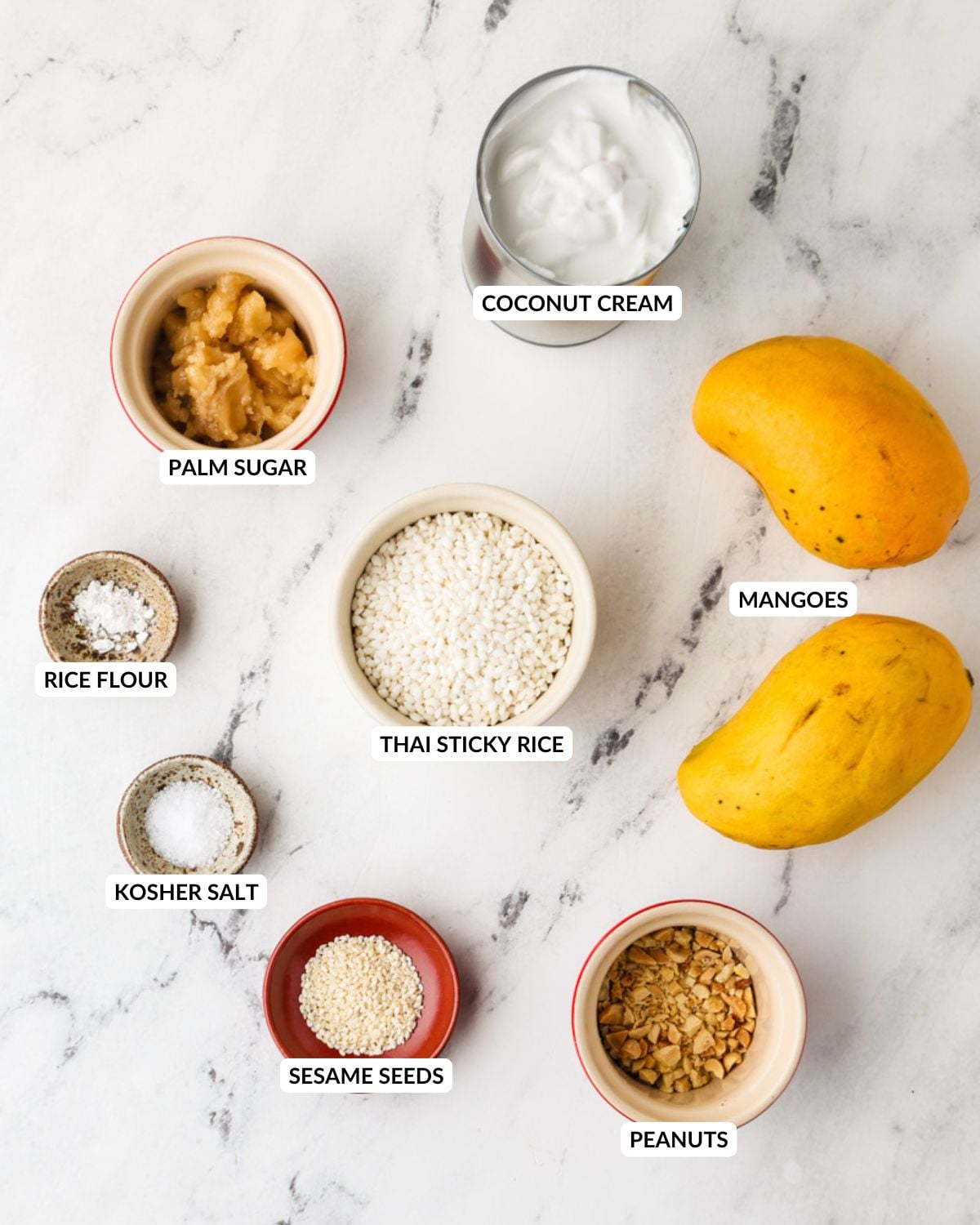
Full ingredient list and detailed instructions in the recipe card.
- Thai sticky rice, labeled “sticky,” “sweet,” or “glutinous” and product of Thailand. I like the “Three Ladies” brand. Regular rice, jasmine, and sushi rice won’t work.
- Canned coconut cream. One 14-oz can covers the whole recipe, about ¾ for the bloom, the rest for the drizzle. Don’t sub “light” coconut milk!
- Palm sugar or coconut sugar. Deeper caramel character than white sugar. The tradeoff is a soft amber tint to the rice. I honestly prefer the flavor enough to accept the color!
- Ripe Ataulfo or Champagne mangoes. The small, yellow, kidney-shaped ones which are fragrant, soft when squeezed, minimal fiber. Plan 3–5 days ahead if yours are firm. I’ve used Indian Alphonso mangoes and they are great too.
TIPS & TRICKS
Shruthi’s top tips
- Hard rice means under-soaked. Four hours minimum, overnight is safer. No upper limit on cold-soaking!
- Gummy rice means over-stirred. The bloom is a fold, not a stir. 2-3 stirs to distribute the sauce, then cover. Resist the urge to stir more, my friends!
- Broken sauce means it boiled too hard. Coconut cream splits if it boils aggressively with sugar in it. Medium heat, pull the moment it thickens.
- Bland dessert means bland mango, sadly. The hardest failure to fix on the day. Plan 3–5 days ahead and let them ripen on the counter.
How to make Thai mango sticky rice
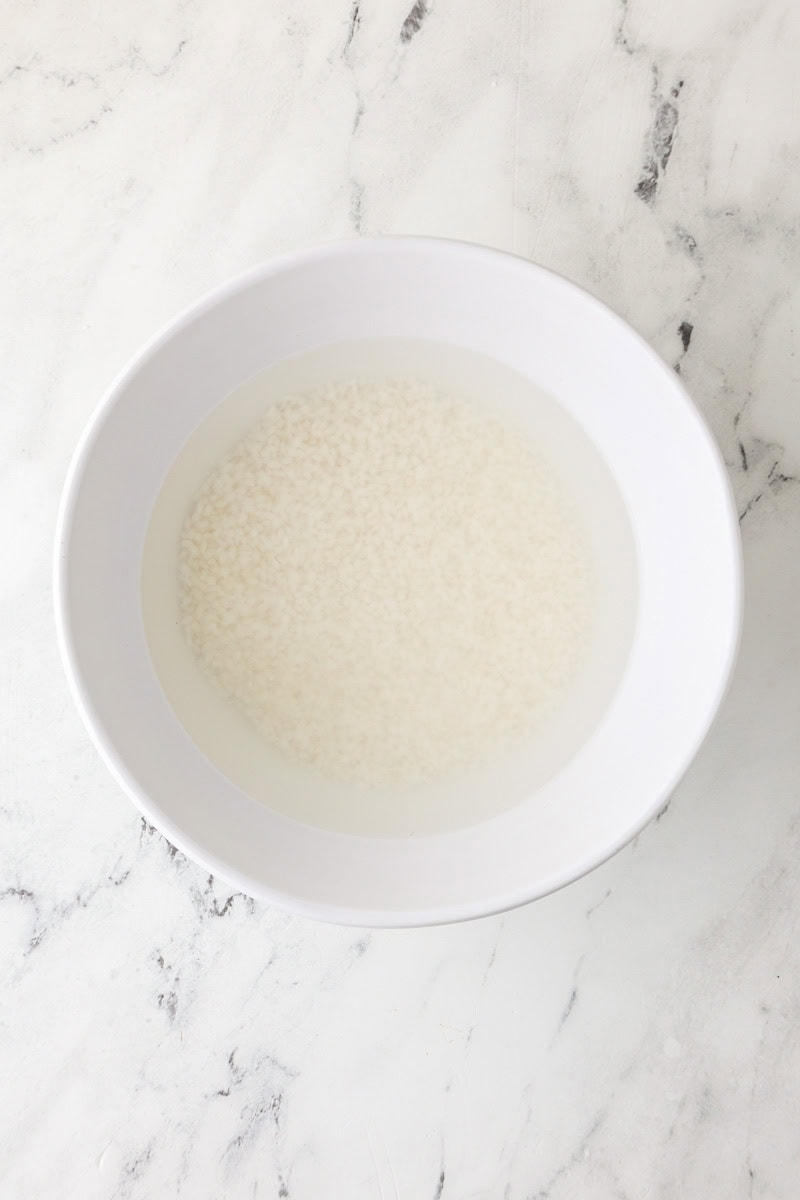
- Rinse the sticky rice until the water runs nearly clear. Cover with water and soak at room temperature for at least 4 hours or overnight.
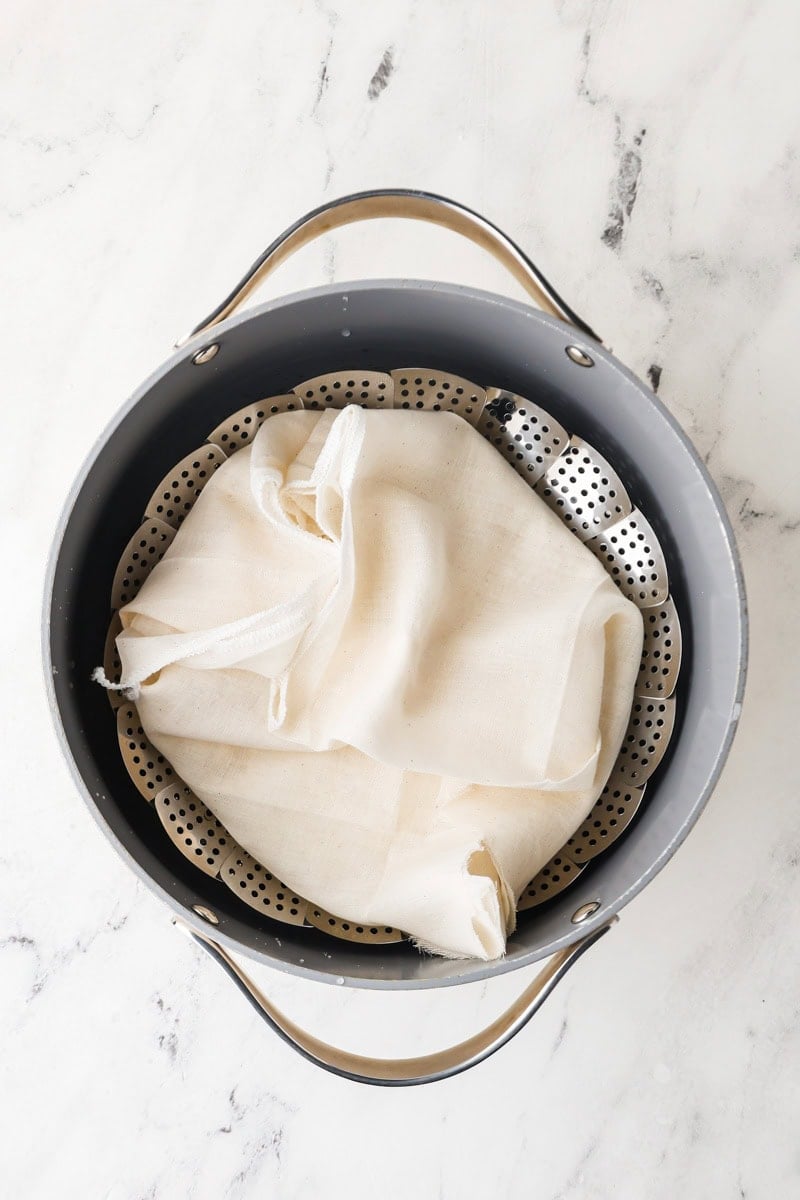
- Drain the rice and line a metal steamer basket with a double layer of cheesecloth. Spread the rice in an even layer and fold the overhang loosely over the top.
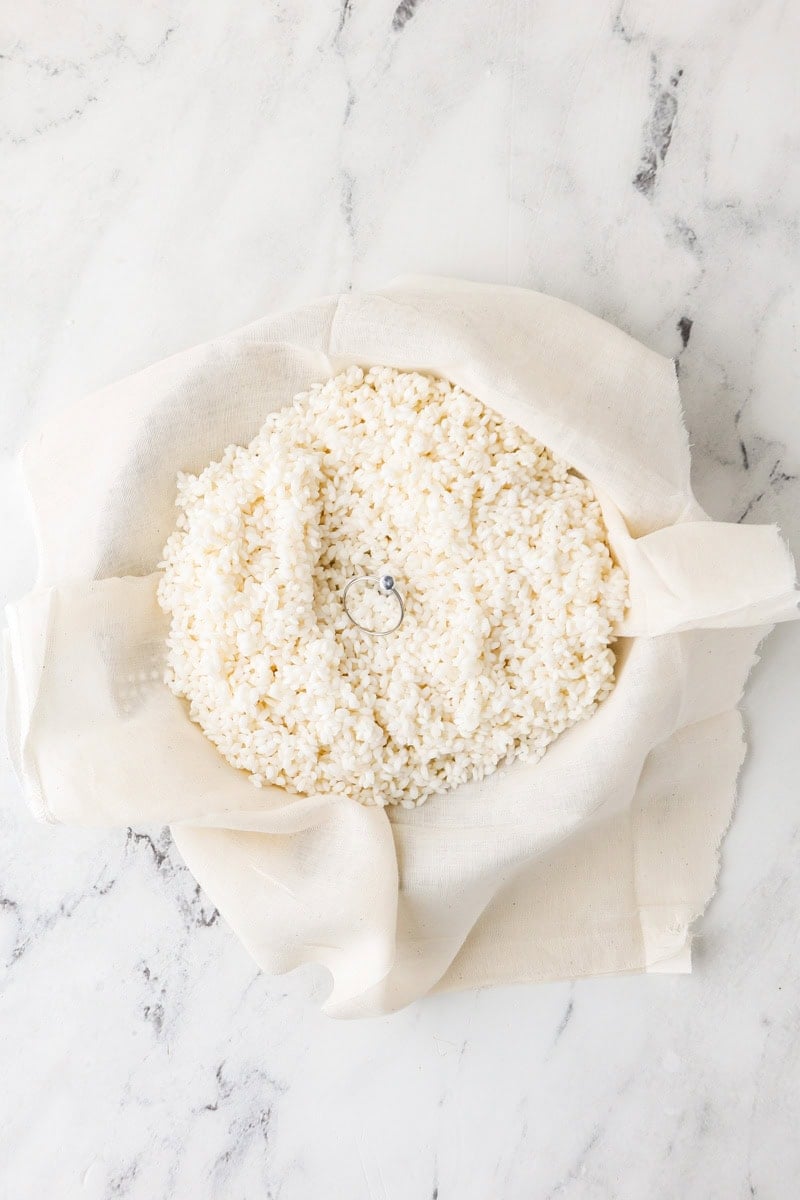
- Bring water to a boil in a large pot, reduce to a simmer, set the basket in place, and cover tightly. Steam until the rice is translucent and tender, flipping it halfway through. Leave covered while you make the sauce.
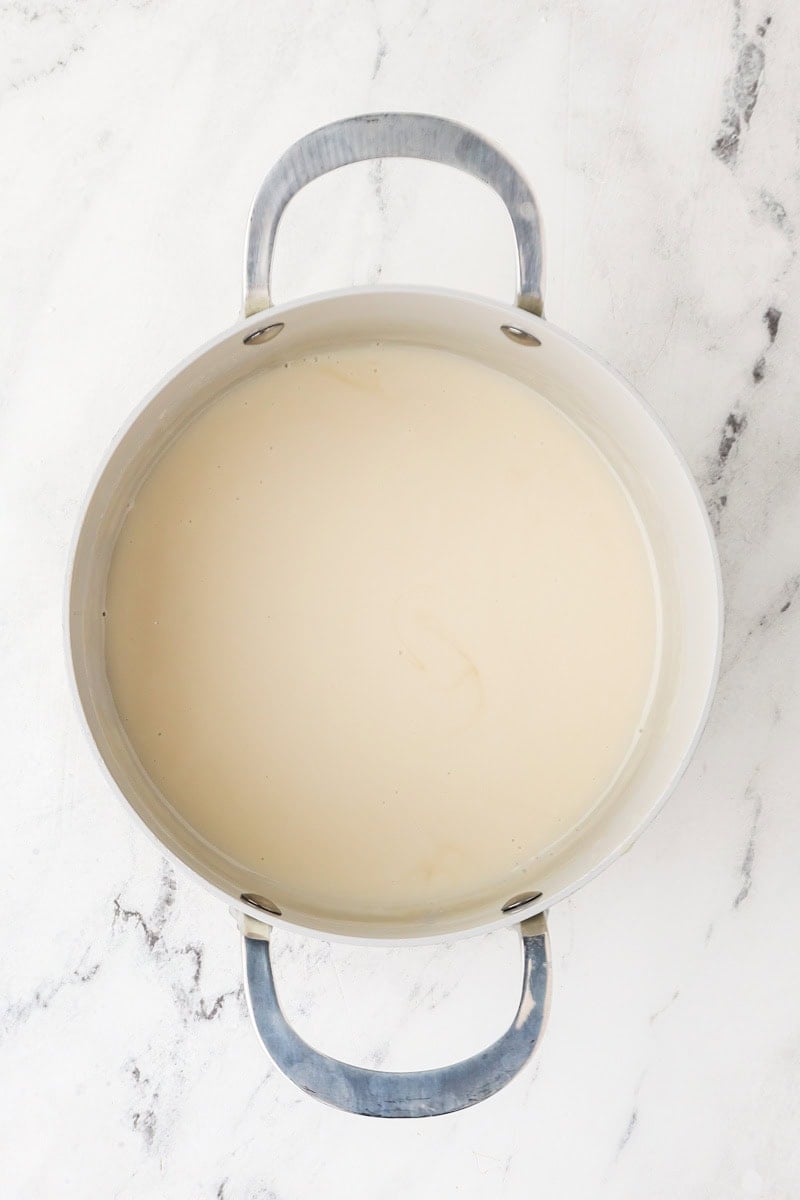
- Combine the coconut cream, palm sugar, and kosher salt in a saucepan. Heat over medium, stirring gently, until the sugar dissolves and the mixture thickens slightly.
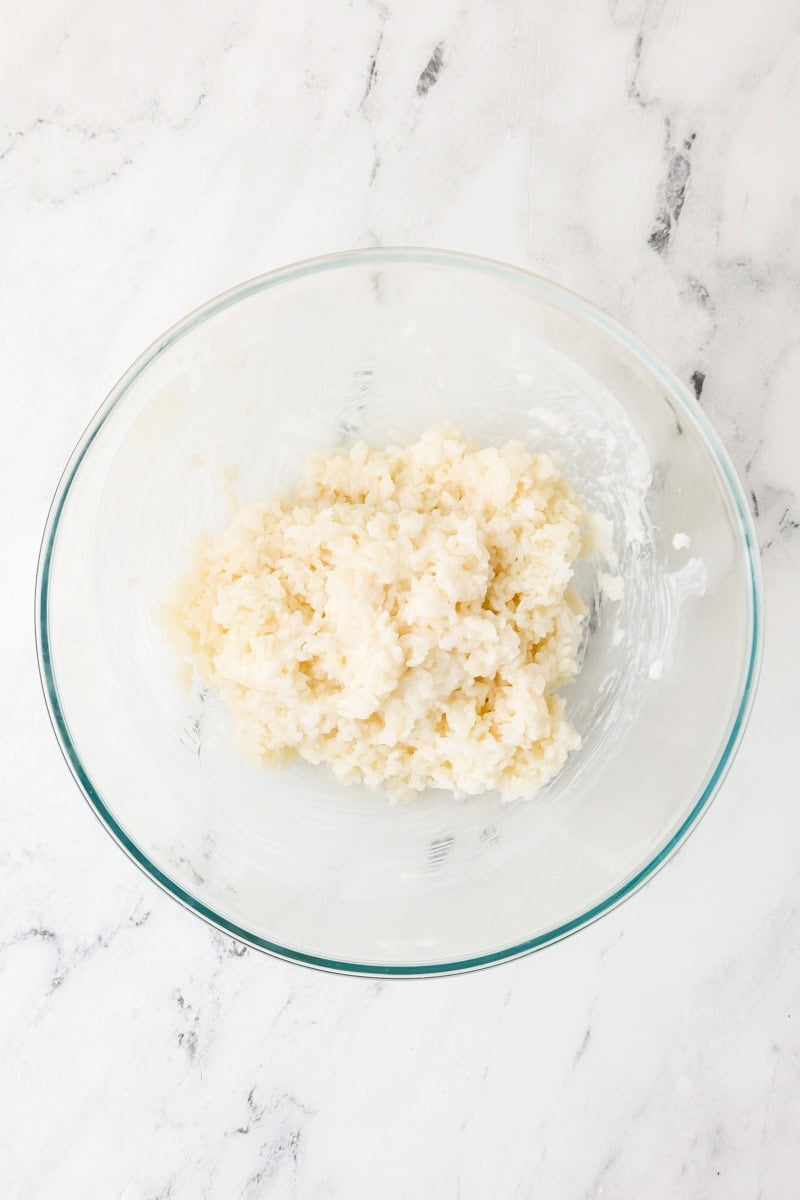
- Transfer the hot rice to a large bowl and pour most of the warm coconut sauce over it. Fold gently to combine, cover tightly, and let rest undisturbed until the rice absorbs the sauce.
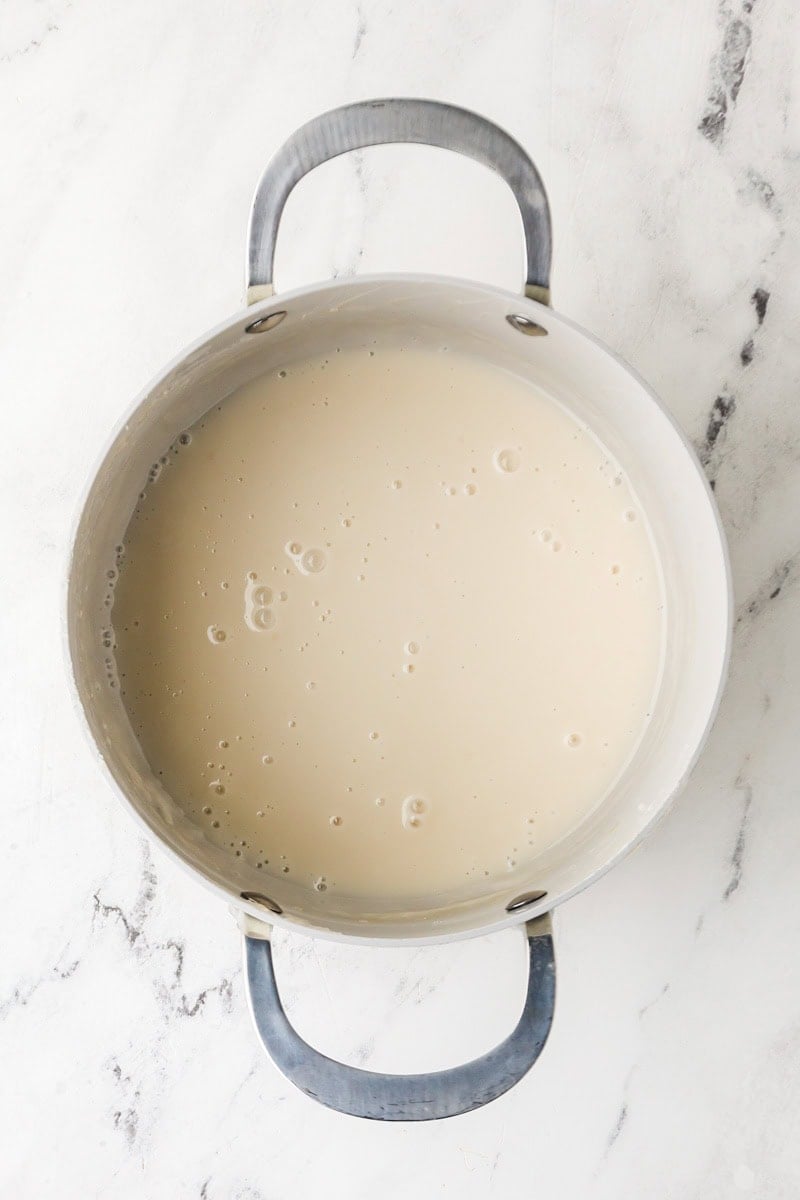
- While the rice rests, warm the remaining coconut cream mixture until it thickens slightly and coats a spoon.
- Serve the sticky rice warm with sliced mango, drizzle with the reserved sauce, and finish with crushed peanuts and optional sesame seeds.
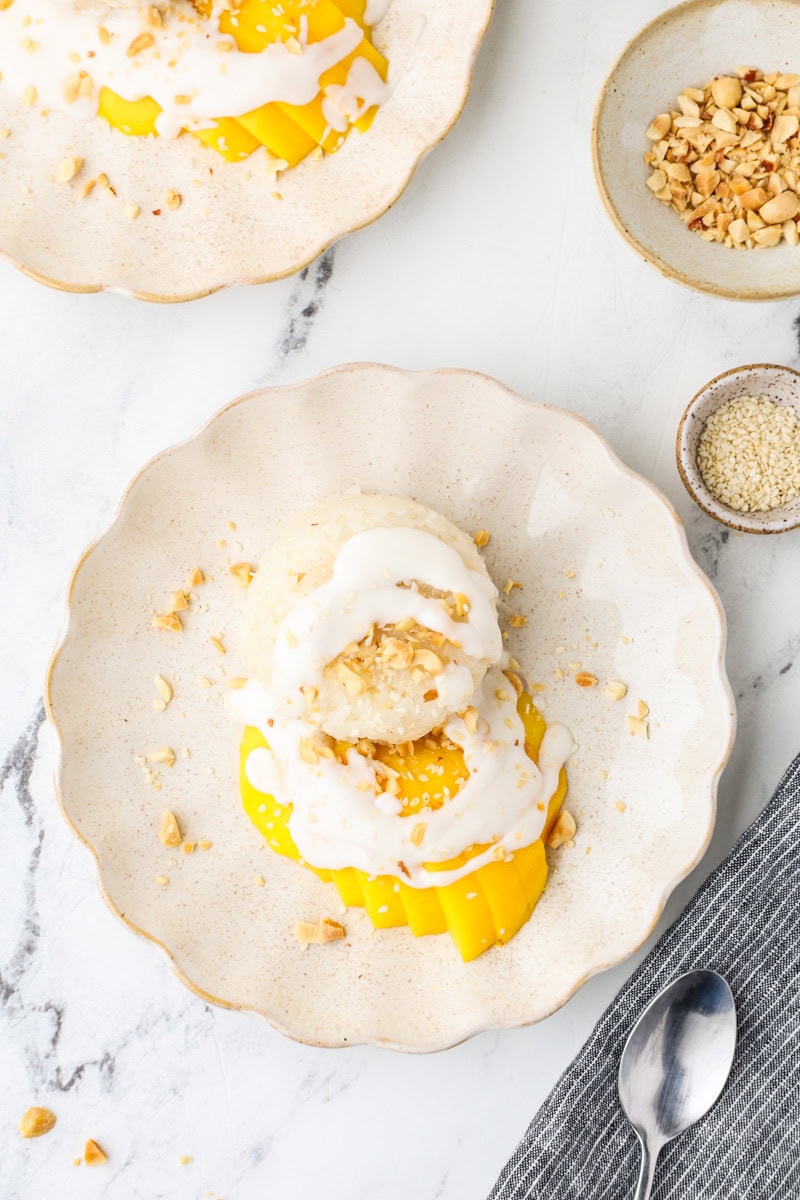
How to serve mango sticky rice with coconut cream
Thai mango sticky rice is best served slightly warm or at room temperature after a Thai-inspired meal. I usually serve it after dishes like my Thai green curry or Tofu Pad Thai, where the savory flavors contrast with the sweet mango and rich coconut cream. But truly, it’s the uncontested dessert of summer in our household.
Variations
- Toasted yellow mung beans (the authentic upgrade). The traditional Thai topping isn’t peanuts, it’s dry-toasted yellow split mung beans. Find them at a Southeast Asian or Indian grocery store.
- Sesame seeds. Alternate topping if you don’t have peanuts.
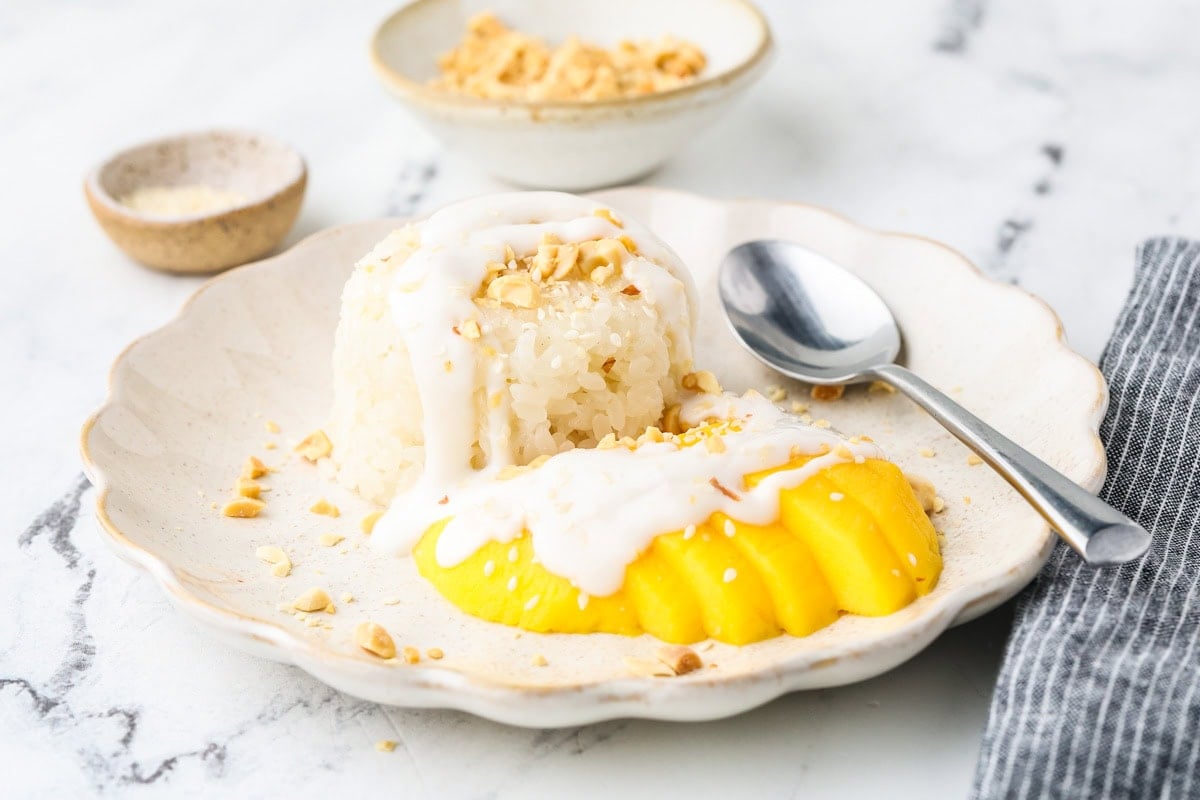
Storage and reheating suggestions
Best the day it’s made. Store the rice and sauce separately in the fridge for up to 2 days, then reheat the rice with a splash of water in 30-second bursts. Don’t freeze. Slice fresh mango at serving time.
Thai Mango Sticky Rice with Coconut Cream
Equipment
- Metal steamer basket
- Cheesecloth
Ingredients
For the sticky rice
- 1⅓ cups Thai sticky rice, "sweet rice" or "glutinous rice"
- cold water , for soaking
For the coconut cream bloom
- 1⅓ cups full-fat coconut cream, ¾ of one 14-oz can
- ¼ cup coconut sugar, substitute palm sugar
- ½ teaspoon kosher salt
For the reserved drizzle
- ⅓ cup full-fat coconut cream, the rest of the can
- 2 teaspoons coconut sugar, or coconut sugar
- ¼ teaspoon kosher salt
- ½ teaspoon rice flour, optional, for slight thickening
For serving
- 2 medium mangoes, ripe, peeled and sliced, prefer Ataulfo or Champagne
- ¼ cup roasted unsalted peanuts, roughly crushed
- 1 teaspoon sesame seeds, toasted, optional
Instructions
- Rinse the sticky rice under cool water until the water runs nearly clear, about 4 to 5 changes. Cover with cool water by 2 inches and soak at room temperature for at least 4 hours or overnight.
- Drain the rice. Line a metal steamer basket with a double layer of cheesecloth, spread the rice in an even layer no more than 2 inches deep, and fold the overhang loosely over the top.
- Bring 2 inches of water to a boil in a large pot, then reduce to a steady simmer. Set the basket in the pot, cover tightly, and steam for 20 minutes.
- Flip the rice bundle, cover, and steam another 10 to 15 minutes until the rice is translucent, tender, and slightly chewy. Keep covered off the heat.
- Combine 1⅓ cups coconut cream, ¼ cup palm sugar, and ½ teaspoon salt in a medium saucepan. Heat over medium, stirring constantly, until the sugar dissolves and the mixture just begins to bubble and thicken, 5 to 6 minutes. Remove from heat as soon as it thickens.
- Transfer the hot rice to a large heatproof bowl and pour about three-quarters of the warm sauce over it.
- Fold gently 2 to 3 times, cover tightly, and let stand undisturbed for 20 to 25 minutes until the rice absorbs the sauce.
- Meanwhile, combine the remaining ⅓ cup coconut cream, 2 teaspoons palm sugar, and ¼ teaspoon salt in the same saucepan.
- Heat over medium-low until the sauce coats a spoon, 3 to 4 minutes.
- Plate the warm rice with sliced mango alongside, drizzle the reserved sauce over the rice, and top with crushed peanuts and sesame seeds if using.
Notes
- One standard 14-oz can of full fat coconut cream for the full recipe (3/4th for the bloom and the remainder for the drizzle) – do not substitute lite coconut cream.
- For the best bloom, both the rice and coconut cream mixture should be very hot before combining. After folding, cover and let rest undisturbed for 20–25 minutes.
- Jasmine, sushi, and regular long-grain rice will not work in this recipe.
- For a traditional Thai garnish, substitute toasted yellow split mung beans for the peanuts.
- Best enjoyed the day it is made. Refrigerate leftover rice and sauce separately for up to 2 days and reheat the rice with a splash of water before serving. Slice fresh mango just before serving. Do not freeze.
Nutrition
Nutrition information is automatically calculated, so should only be used as an approximation.


