
My weeknight vegetable biryani skips the layering and dum cooking. The rice and vegetables cook separately, then get folded together just before serving. It’s how Indian families actually make biryani at home, and is adapted from Madhur Jaffrey’s pragmatic approach. Vegetarian, and about an hour and a half from start to finish.

Why this vegetable biryani recipe works for weeknights

I lived in Delhi when I was a child. The biryani I ate there was often nothing like the multi-hour dum biryani you see in restaurants or in elaborate cookbook spreads. This is a real home-style biryani for when you don’t have three hours and a heavy-lidded pot for slow steaming.
Cook the rice. Cook the vegetables. Combine them in a wide bowl. That’s it.
This version is adapted from Madhur Jaffrey’s approach, and what makes it work is the oven. Most home cooks struggle with stovetop biryani because the heat is too variable, too high and the bottom scorches, too low and the rice stays gummy.
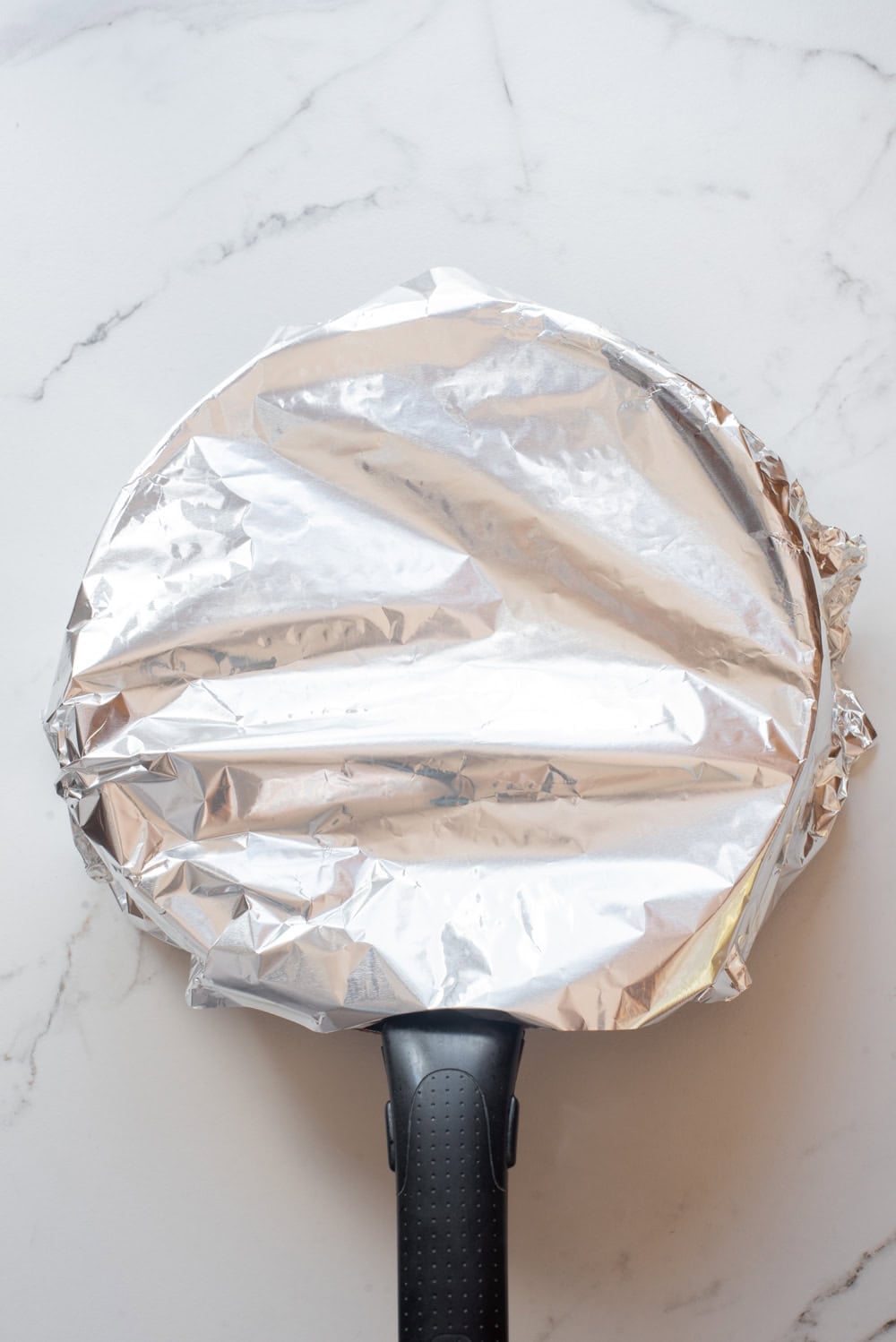
A 325°F oven gives you a steady, even heat that produces fluffy separate grains every time. The trick is to seal the pot with aluminum foil pressed down over the rim before putting the lid on. That foil-and-lid combination traps every bit of steam, which is what makes the rice cook evenly.
Also, don’t combine the rice and vegetables in the rice pot! I know it’s tempting (trust me, one less dish to wash) but folding in the pot crushes the grains. I learned this the hard way the first few times. The biryani tasted right but looked like rice pilaf.
Empty the rice into a wide, warmed bowl, add the vegetables on top, and fold gently from underneath with two forks to get the long, separate, intentional-looking grains that make biryani look like biryani.
This particular combination of cauliflower, carrots, and peas is called gobi, gajar aur matar biryani in Hindi. You can swap in potato, broccoli, or paneer cubes, but this trio is the one I make most often.

Key ingredients and why they matter
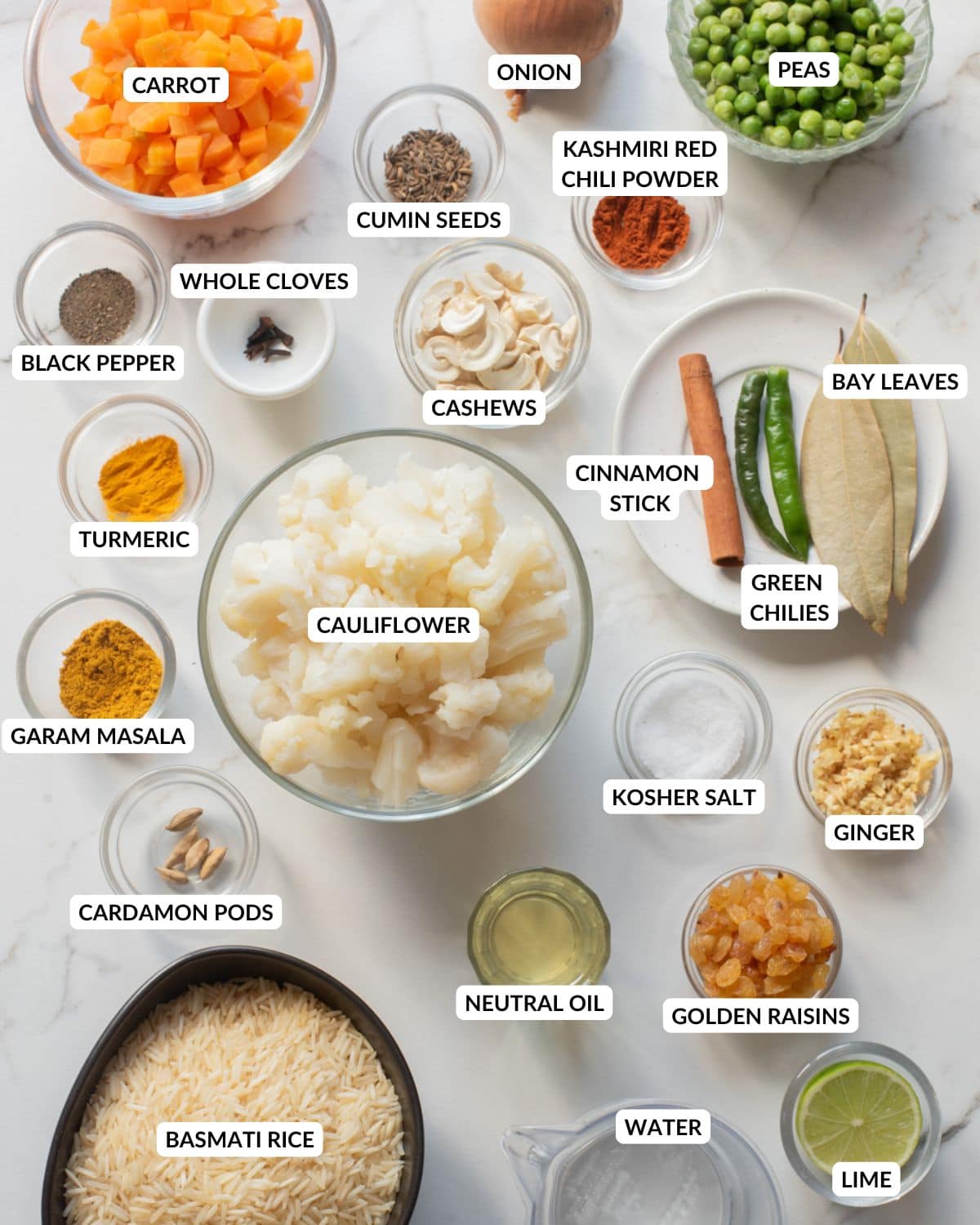
A handful of choices make the difference between fluffy biryani and sticky rice pilaf. Full quantities are in the recipe card below.
- Basmati rice, soaked for 30 minutes is non-negotiable. The soaking lets each grain hydrate evenly, which is what gives biryani its long separate fluffy grains. Skip the soak and you get sticky, broken rice. Aged basmati is best if you can find it, since the grains are longer and more fragrant.
- Whole spices, the cinnamon stick, bay leaves, cloves, and green cardamom pods, go directly into the rice pot. They perfume the rice without dissolving, and yes, you’ll find them in your serving. In Indian homes, no one removes them; you just push them gently to the side of your plate as you eat. If you’d rather not navigate them, tie them in a small piece of cheesecloth before adding to the pot, though you’ll lose a little of the perfume.
- Black cumin seeds (shahi jeera) are smaller, darker, and sweeter than regular cumin. They give biryani its distinctive aroma, so if you want the authentic upgrade, look in any Indian grocery store. Regular cumin works great though (especially if you get a solid brand like the one I use here)
- Kashmiri red chili powder gives the vegetables a deep red color without much heat. If you only have regular chili powder or cayenne, use about ⅛ teaspoon, since those are significantly hotter and will overpower the dish. Kashmiri is mild enough that you taste the spices, not just the burn.
- Ghee is what I use for both the rice and the vegetables. It carries the spice flavors better than neutral oil and gives biryani its characteristic richness. A neutral oil works if you want to keep this vegan, but the flavor difference is noticeable.
Shruthi’s Top Tips
Tips for the best vegetable biryani
- Soak the rice. Don’t skip this. Thirty minutes is the minimum, and even 20 makes a noticeable difference. This is what separates biryani from rice pilaf.
- Don’t peek while the rice bakes. Lifting the lid releases steam and the rice will cook unevenly.
- Combine in a wide bowl, not the rice pot. Folding in the pot crushes the grains. Empty the rice into a warmed wide bowl first, then add the vegetables on top and fold from underneath with two forks.
- Resist stirring the vegetables constantly. Let them sit between stirs so the cauliflower and carrots get a little color on the edges. This is where the depth comes from.
- Saffron upgrade for special occasions: Soak a generous pinch of saffron threads in 2 tablespoons of warm milk for 10 minutes, then drizzle over the rice just before combining. Don’t stir it in; let it streak through.
- 2 green chilies is the version I make most often, noticeable but not punishing. For more heat, use 3 to 4, or add a pinch of cayenne to the vegetables.
How to make weeknight vegetable biryani
- Rinse the basmati rice under cold water until the water runs clear, then soak it for 30 minutes. Drain well and preheat the oven to 325°F.
- Heat the ghee in a heavy ovenproof pot over medium-high heat. Add the cinnamon, bay leaves, cloves, cardamom, and black cumin and cook until fragrant. Add the cashews and stir until lightly golden, then add the raisins, which plump immediately. Add the sliced onion and fry 6 to 8 minutes until reddish-brown at the edges.
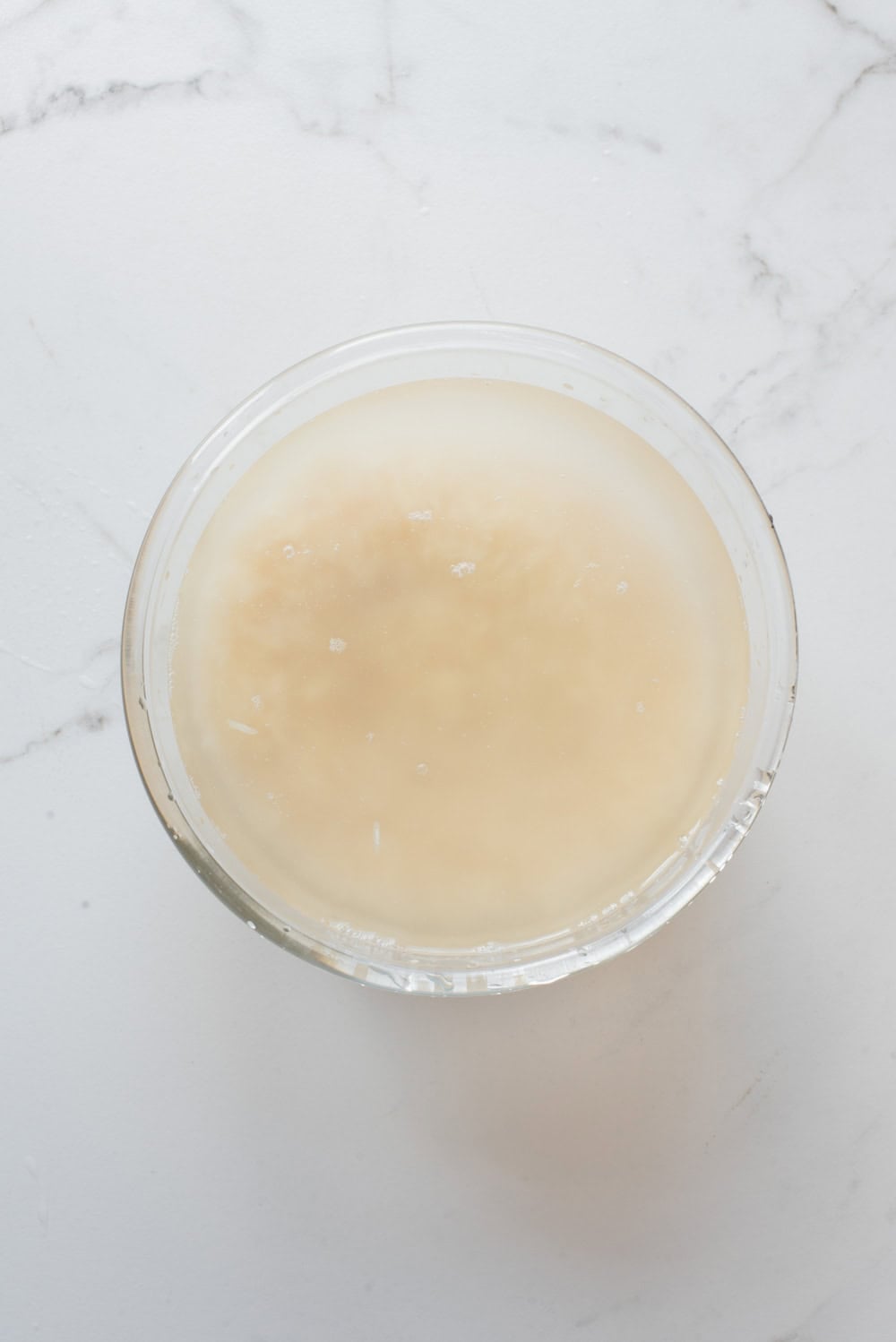
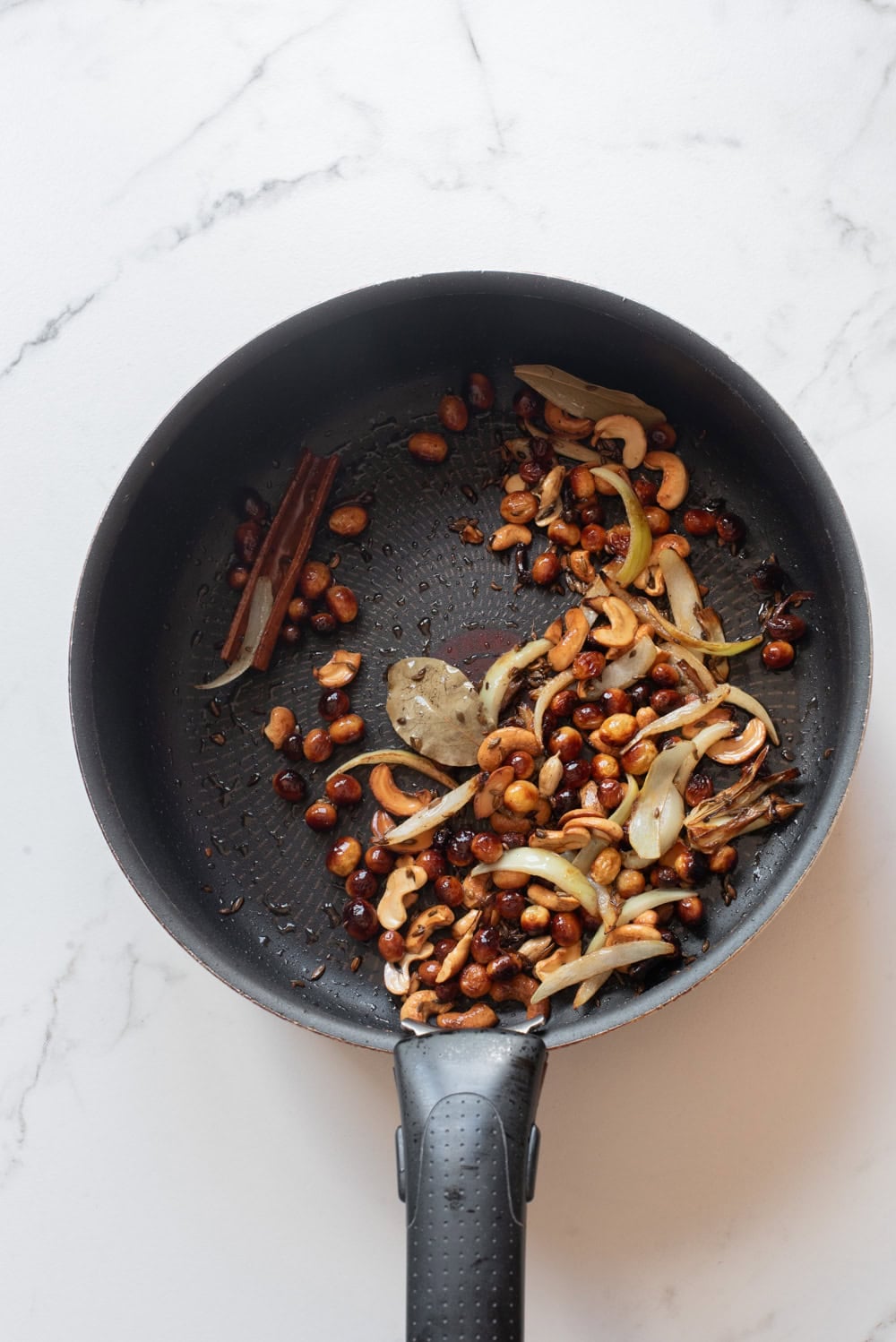
- Add the drained rice, water, and salt. Stir gently and bring to a boil. As soon as it boils, press a piece of aluminum foil tightly over the rim of the pot, then put the lid on top to seal. Transfer to the oven and bake for 25 minutes.
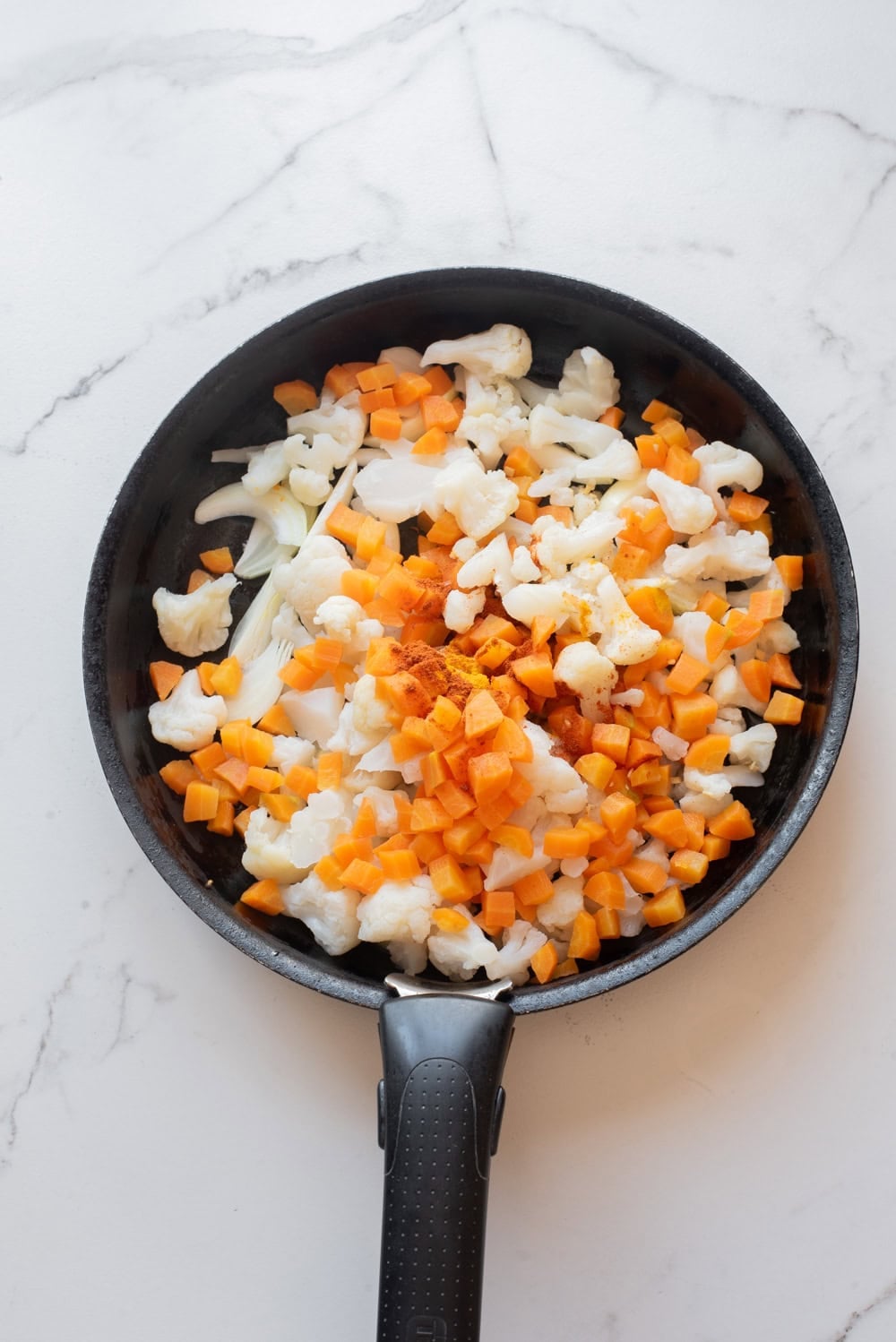
- While the rice bakes, heat the ghee in a large skillet over medium-high heat. Add the cumin seeds and let them sizzle for 5 seconds. Add the sliced onion, ginger, cauliflower, carrots, turmeric, and Kashmiri chili powder. Cook for 4 to 5 minutes, letting the vegetables sit between stirs to develop color.
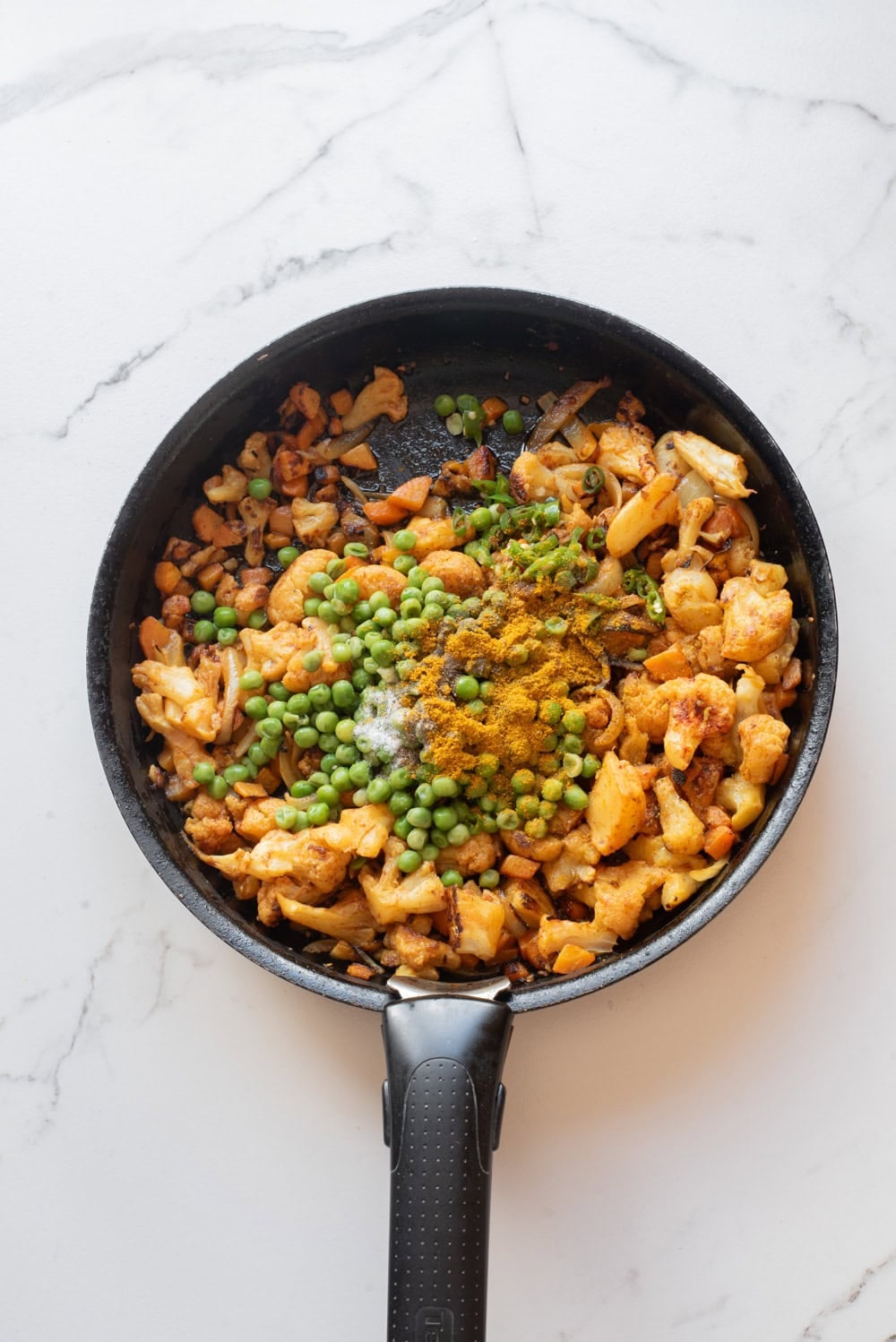
- Reduce the heat to medium-low. Add the peas, green chilies, salt, pepper, garam masala, and lime juice. Cook for 3 to 5 minutes until the vegetables are just tender but still have some bite. Remove from heat.
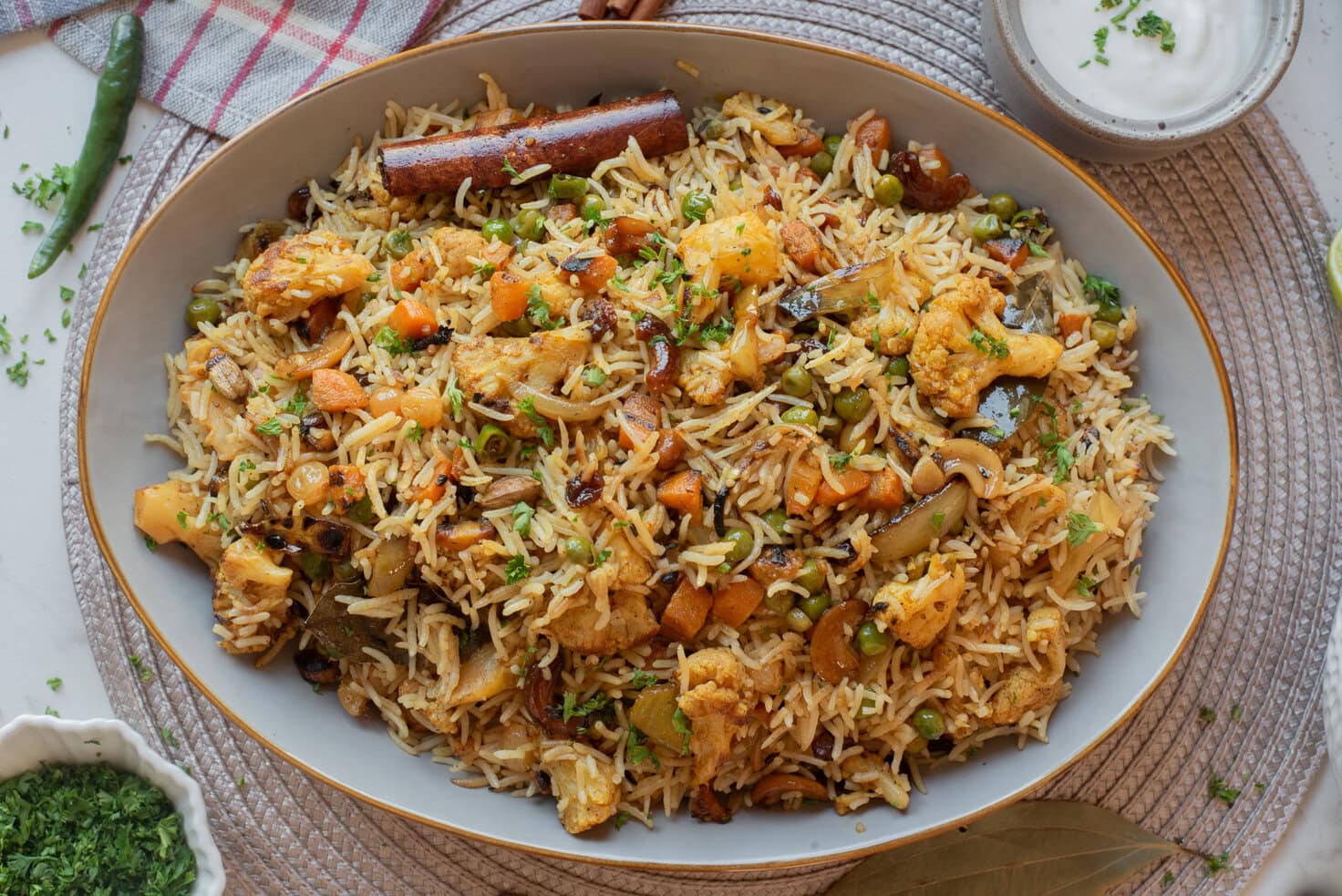
- Take the rice out of the oven and let it sit, undisturbed and still covered, for 10 minutes. Then transfer the rice to a wide, warmed serving bowl, gently breaking up any lumps with a fork. Add the vegetables on top and fold gently from underneath with two forks until combined. Garnish with cilantro and serve with yogurt or raita.

How to serve vegetable biryani
Biryani is rice-forward, so it wants a protein alongside. Browned paneer folded in at the end is the classic move, or serve it with high-protein palak paneer, a creamy chickpea curry, or a bowl of dal. A spoon of raita or plain yogurt cools and rounds the plate.
The rice base is vegetarian and feeds everyone, so meat-eaters can add tandoori chicken or kebabs on the side without touching the pot. For kids, plate theirs before the green chilies go in and lean on the cashews and raisins they already pick out. Add crispy Bombay aloo to stretch it into a fuller spread.
Variations
- For paneer biryani, add 1 cup fresh paneer cubes, lightly browned in ghee, at the folding stage. Or make my easy egg biryani instead.
- Swap the cauliflower for broccoli or potato cut to the same size, or add green beans to the trio.
- For the stovetop method, use lowest heat, tightly covered, 18 minutes plus a 10-minute rest off heat. Don’t lift the lid.
Storage and reheating
Store in an airtight container in the fridge for up to 3 days; it tastes even better the next day as the spices settle. To reheat, add 1 to 2 tablespoons of water, cover, and warm in a 325°F oven for 15 to 20 minutes, or microwave covered with a damp paper towel for about 90 seconds. Don’t skip the moisture or the rice dries out.

Vegetable Biryani
Equipment
- Heavy ovenproof pot with tight-fitting lid 3-quart or larger
- Large cast iron skillet
- Aluminum foil
Ingredients
For the rice
- 2 cups basmati rice
- 2 tablespoons ghee , or neutral oil (such as vegetable or canola)
- 1 cinnamon stick, 2-inch
- 2 bay leaves
- 5 whole cloves
- 5 green cardamom pods, lightly crushed
- ½ teaspoon whole cumin seeds
- 12 raw cashews, split lengthwise
- 2 tablespoons golden raisins
- ½ medium onion, cut into thin half-moons
- 2¾ cups water
- 1½ teaspoons kosher salt
For the vegetables:
- 2 tablespoons ghee, or neutral oil (such as vegetable or canola)
- ¼ teaspoon whole cumin seeds
- ½ medium onion, cut into thin half-moons
- 2 teaspoons fresh ginger, finely grated
- 1 lb cauliflower florets
- 1 medium carrot, peeled and diced
- ¼ teaspoon ground turmeric
- ¼ teaspoon Kashmiri red chili powder, ½ teaspoon for more heat
- 1 cup frozen peas, thawed
- 2 fresh green chilies, finely chopped
- ¾ teaspoon kosher salt
- ¼ teaspoon black pepper, freshly ground
- ½ teaspoon garam masala
- 1 medium lime , juiced, 1 tablespoon
For serving:
- 3 tablespoons fresh cilantro, finely chopped
- 6 tablespoons raita
Instructions
Prep the rice
- Rinse the basmati rice in a fine mesh strainer under cold running water until the water runs clear, about 1 minute.
- Transfer to a bowl, cover generously with water, and soak 30 minutes. Drain well.
- Preheat the oven to 325°F.
Cook the rice
- Heat the ghee in a heavy ovenproof pot over medium-high heat until shimmering. Add the cinnamon, bay leaves, cloves, cardamom, and black cumin and cook until fragrant, about 30 seconds.
- Add the cashews and stir until lightly golden, about 30 seconds. Add the raisins, which plump almost immediately.
- Add the sliced onion and fry, stirring frequently, until reddish-brown at the edges, 6 to 8 minutes.
- Add the drained rice, water, and salt. Stir gently and bring to a boil.
- As soon as it boils, press a piece of foil tightly over the rim, set the lid on top to seal, and bake 25 minutes.
Cook the vegetables
- While the rice bakes, heat the ghee in a large skillet over medium-high heat. Add the cumin seeds and let them sizzle 5 seconds.
- Add the sliced onion, ginger, cauliflower, carrots, turmeric, and Kashmiri chili powder. Cook 4 to 5 minutes, letting the vegetables sit between stirs to develop color.
- Reduce the heat to medium-low. Add the peas, green chilies, salt, pepper, garam masala, and lime juice. Cook 3 to 5 minutes, until the vegetables are just tender but still have bite. Remove from the heat.
Combine and serve
- Take the rice from the oven and let it sit, undisturbed and still covered, 10 minutes so the steam finishes cooking the grains.
- Transfer the rice to a large warmed serving bowl, gently breaking up any lumps with a fork without crushing the grains.
- Add the vegetables and fold gently with two forks until combined. Taste and adjust salt.
- Garnish with fresh cilantro and serve immediately, with yogurt or raita on the side.
Video
Notes
- Whole spices are traditionally left in the biryani; move them aside while eating, or tie them in cheesecloth before cooking for easy removal.
- Soak the rice 30 minutes so the grains cook up long, separate, and fluffy, and don’t lift the lid while it bakes.
- Kashmiri chili powder gives color with mild heat; substitute about ⅛ teaspoon cayenne if needed.
- For a festive version, drizzle saffron soaked in 2 tablespoons warm milk over the rice before combining.
- For stovetop, after the rice boils reduce to the lowest heat, cover tightly, cook 18 minutes, then rest covered 10 minutes without lifting the lid.
- Store up to 3 days. Reheat with 1 to 2 tablespoons water, covered, in a 325°F oven 15 to 20 minutes, or microwave about 90 seconds
Nutrition
Nutrition information is automatically calculated, so should only be used as an approximation.


