
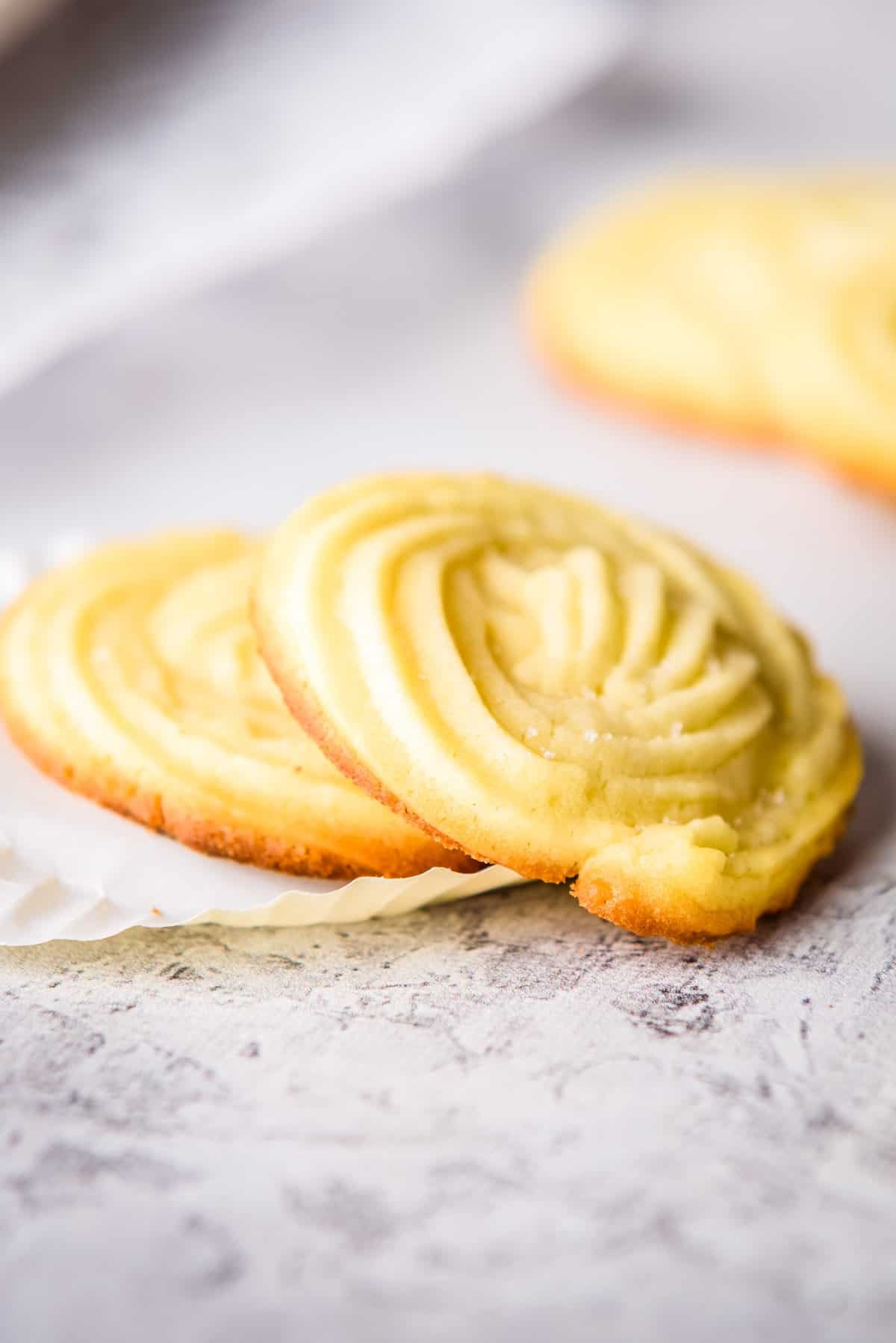
These Danish butter cookies are little buttery delights that have a special place in my heart, bringing back memories of cozy winter afternoons and that one tin of cookies everyone guarded at home. This recipe brings everything I love about baking to the table—simple ingredients, a melt-in-your-mouth texture, and that hint of nostalgia in every bite. There’s a reason these cookies have stood the test of time; they’re delicate, crisp around the edges, and perfectly buttery. Plus, I get to channel my inner baker by piping out fun shapes. Hope you do too!
This post contains helpful tips and tricks! If you’re in a rush, please use the “Jump to Recipe” above!
These Danish butter cookies are easy & irresistable
Danish Butter Cookies remind me of how the best things in life are often the simplest, and I love that I can make these right in my kitchen, piping and all, to share that magic with my family. There’s something so satisfying about the simplicity of these cookies—just butter, sugar, and flour—but it’s the quality of the butter and a bit of technique that make them melt-in-your-mouth good.
- They’re buttery and delightful. Danish butter cookies, as the name suggests, are buttery! They’re also delightful, crispy, and melt-in-your-mouth good. If you’re a fan of shortbread cookies, then you’ll definitely enjoy these.
- They make amazing gifts. Danish butter cookies are always a welcome treat. You can wrap them up in themed bags, or delightful cookie boxes or tins!
- They’re perfect for any occasion. They’re not just for gifting: whether you’re hosting a dinner party or want to have a delicious treat on hand, Danish butter cookies are always a hit!
Love simple cookies? Check out my almond flour peanut butter cookies, nutella cookies, and yellow cake mix cookies!
📋 Ingredients and notes
To make these Danish butter cookies, you’ll need unsalted butter, powdered sugar, vanilla extract, egg, all-purpose flour, and salt.
Notes and Variations
- Add mix-ins to the cookies. You can replace the vanilla extract with vanilla bean paste in an equivalent amount to add vanilla flecks, or zest some lemon or orange into the cookie dough to get a citrusy burst!
- Substitute all purpose flour. If you’re out of all-purpose flour, cake flour is a decent substitute since it creates a similar texture when baked! If you want to go gluten-free, you can use a 1:1 ratio gluten-free baking mix.
- Experiment with toppings. The traditional way to eat these treats is by dusting the topmost layer in powdered sugar but if that’s not your style then there are plenty more options (e.g., dipped in chocolate or hazelnut spread, sauces drizzled over it, sprinkles on top, etc.) The options are limitless!
📖 Make the best Danish butter cookies!
Cut your butter into small cubes.
Butter has to be softened before being used in this recipe. But if it’s cold or if you are in a hurry, microwave butter in 5 second intervals (you’ll need to do this 2- 3 times). This way it won’t melt but it will be softened!
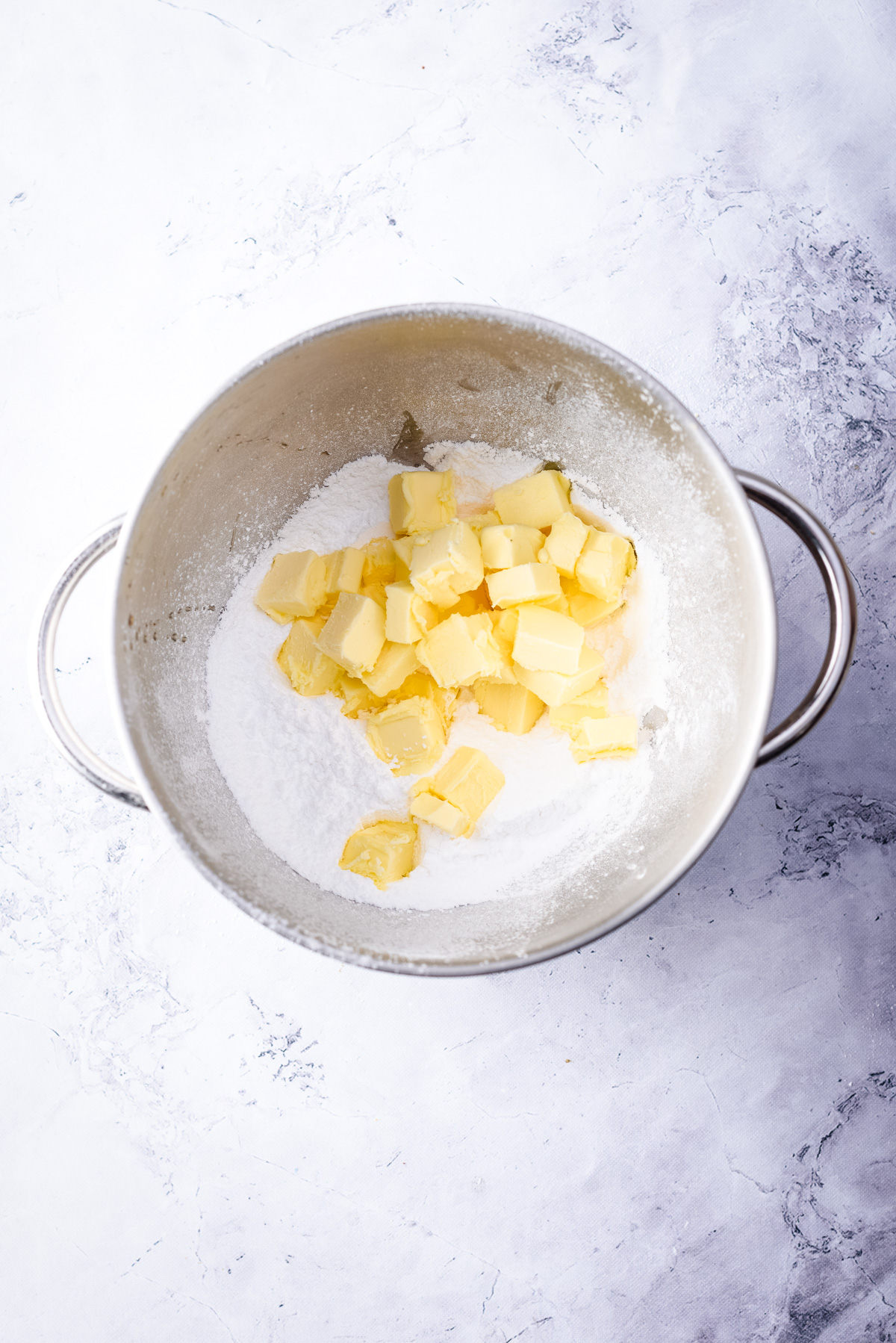
In a stand mixer bowl, cream the butter and sugar at a medium speed until both ingredients are fully integrated. It should look a bit lighter in color and fluffy. Don’t over-cream the mixture, but fluffier the better! This took me 6 minutes.
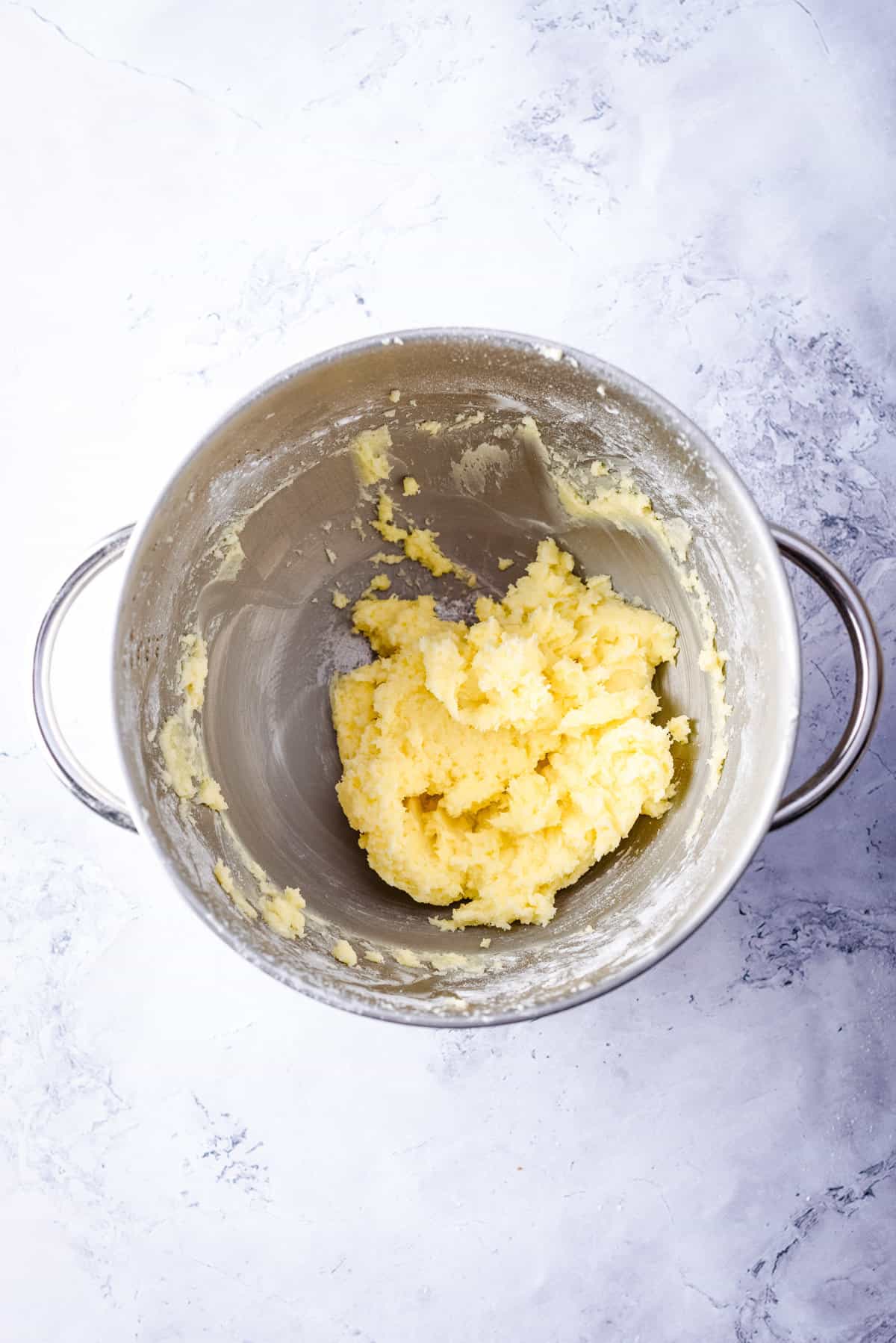
Add the egg and vanilla and keep beating until well combined.
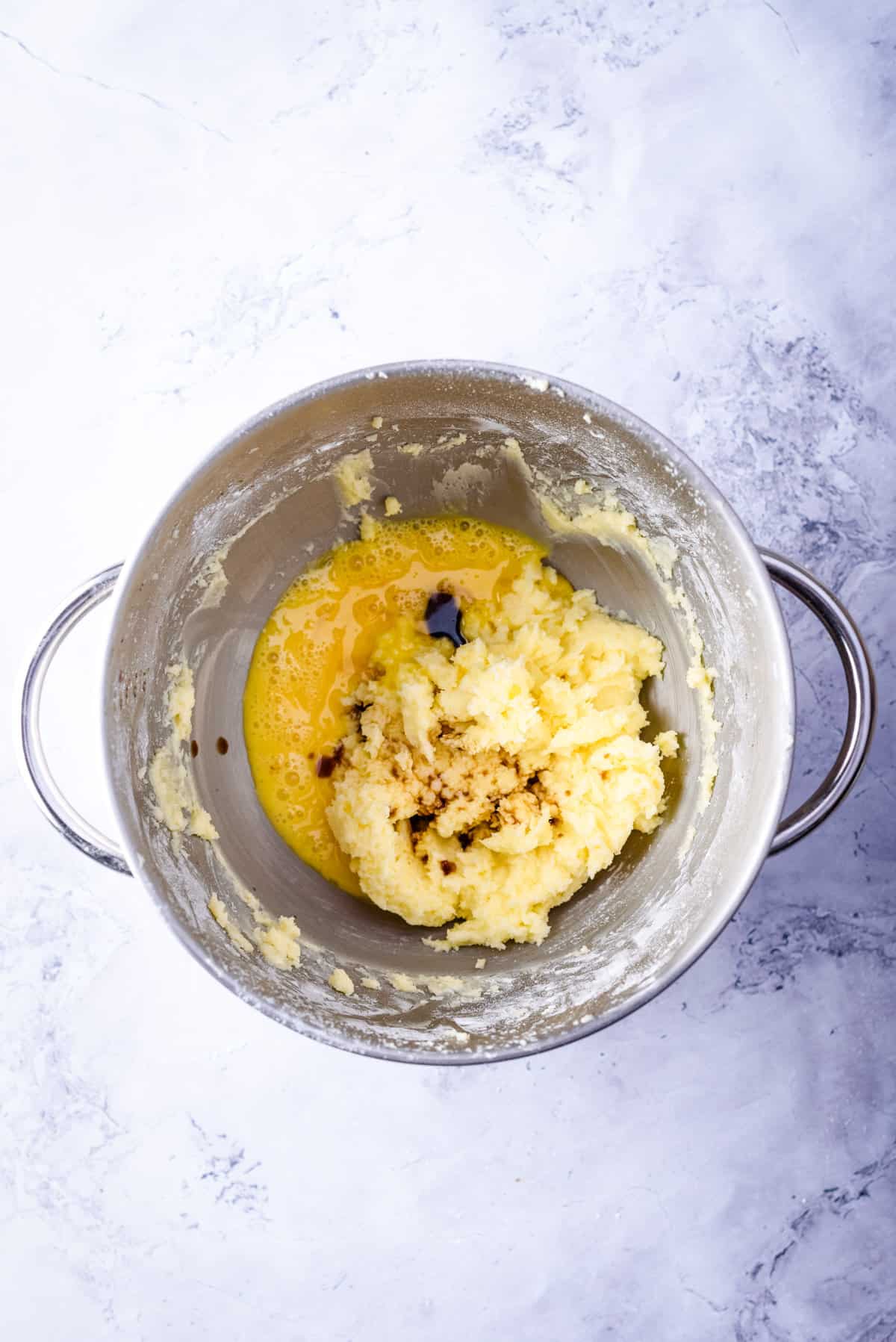
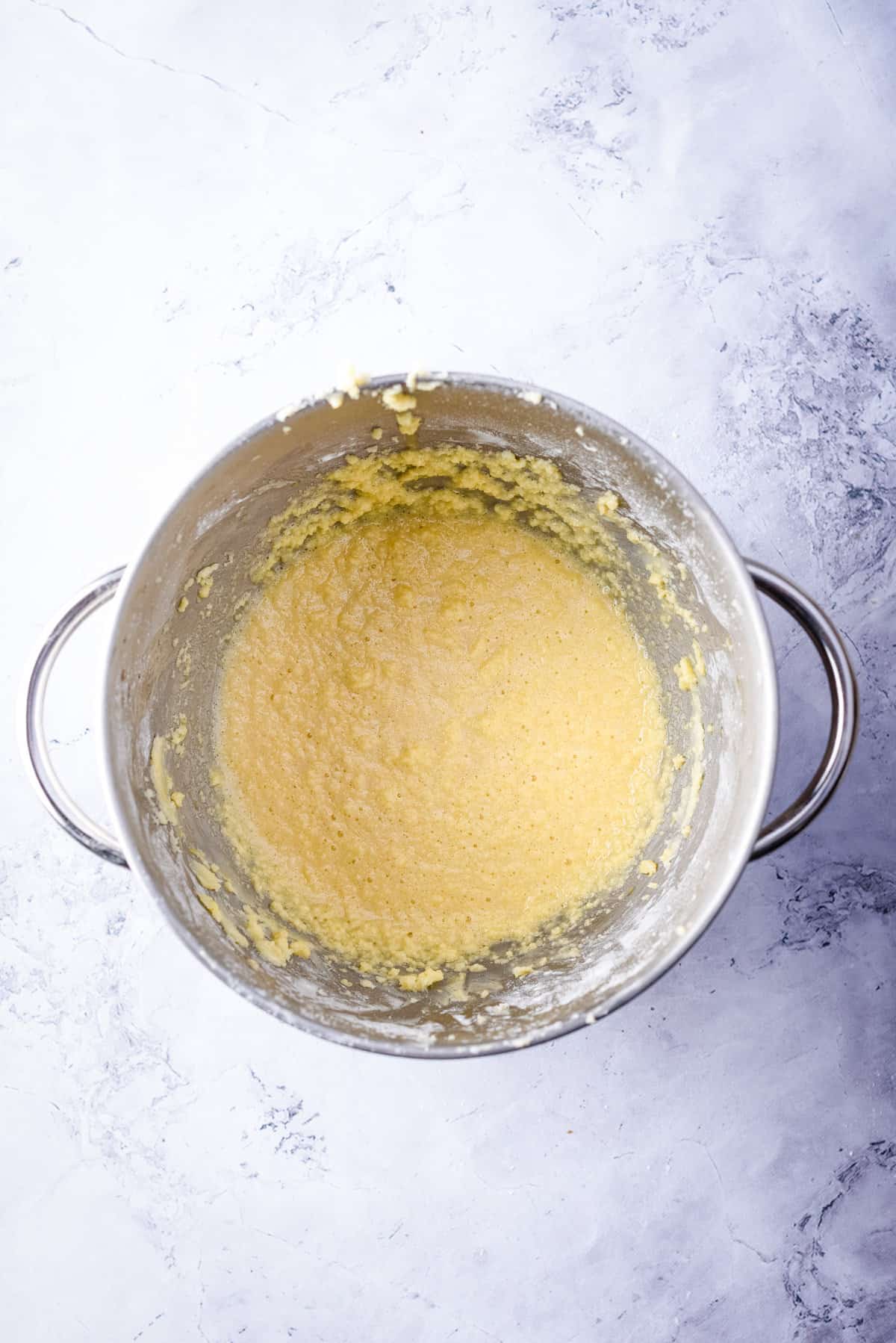
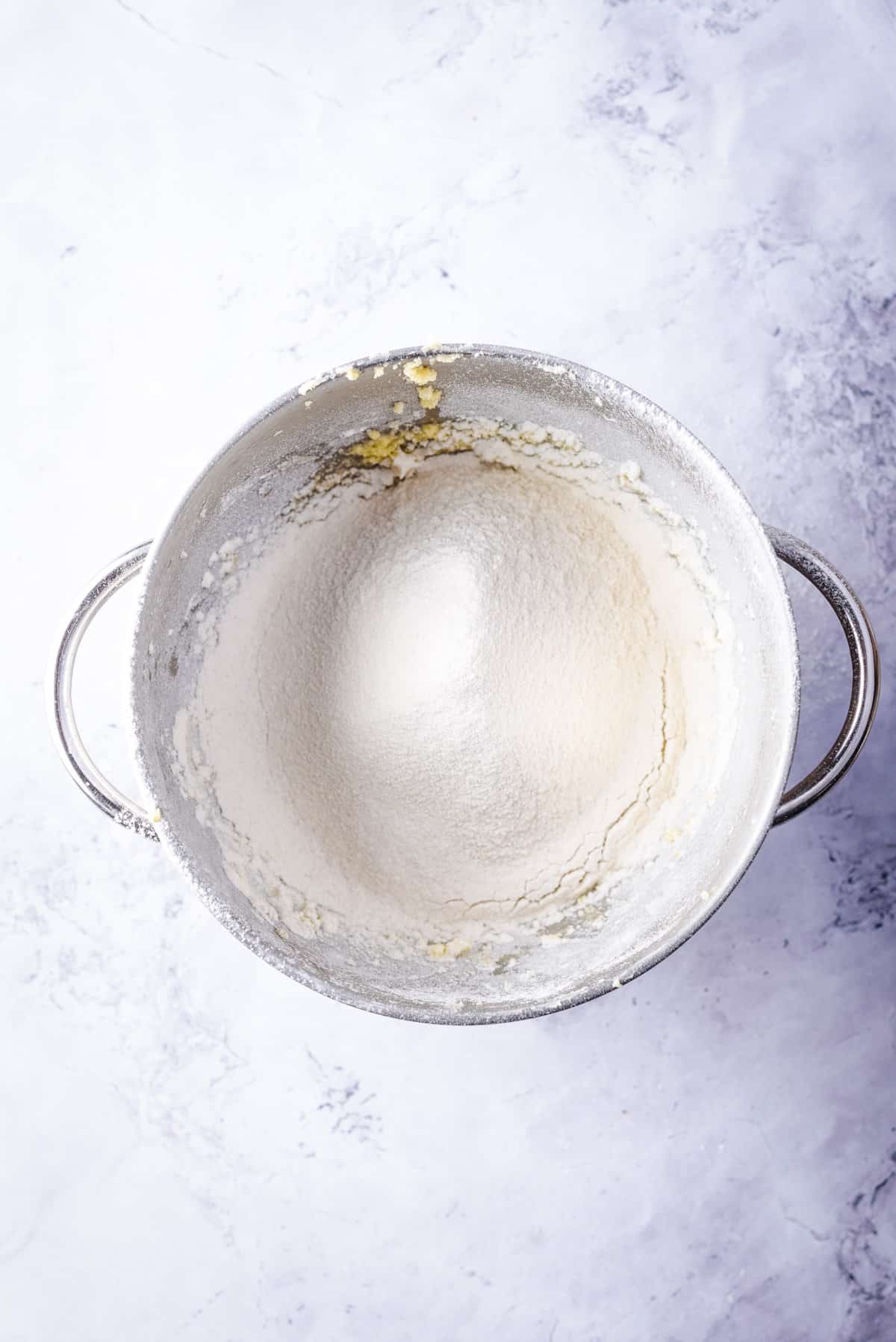
After that, remove the mixing bowl from the stand mixer. Sift the flour and salt together, and then slowly add to the mixing bowl. Use a spatula to integrate well these ingredients into the butter mix. Don’t overmix the dough!
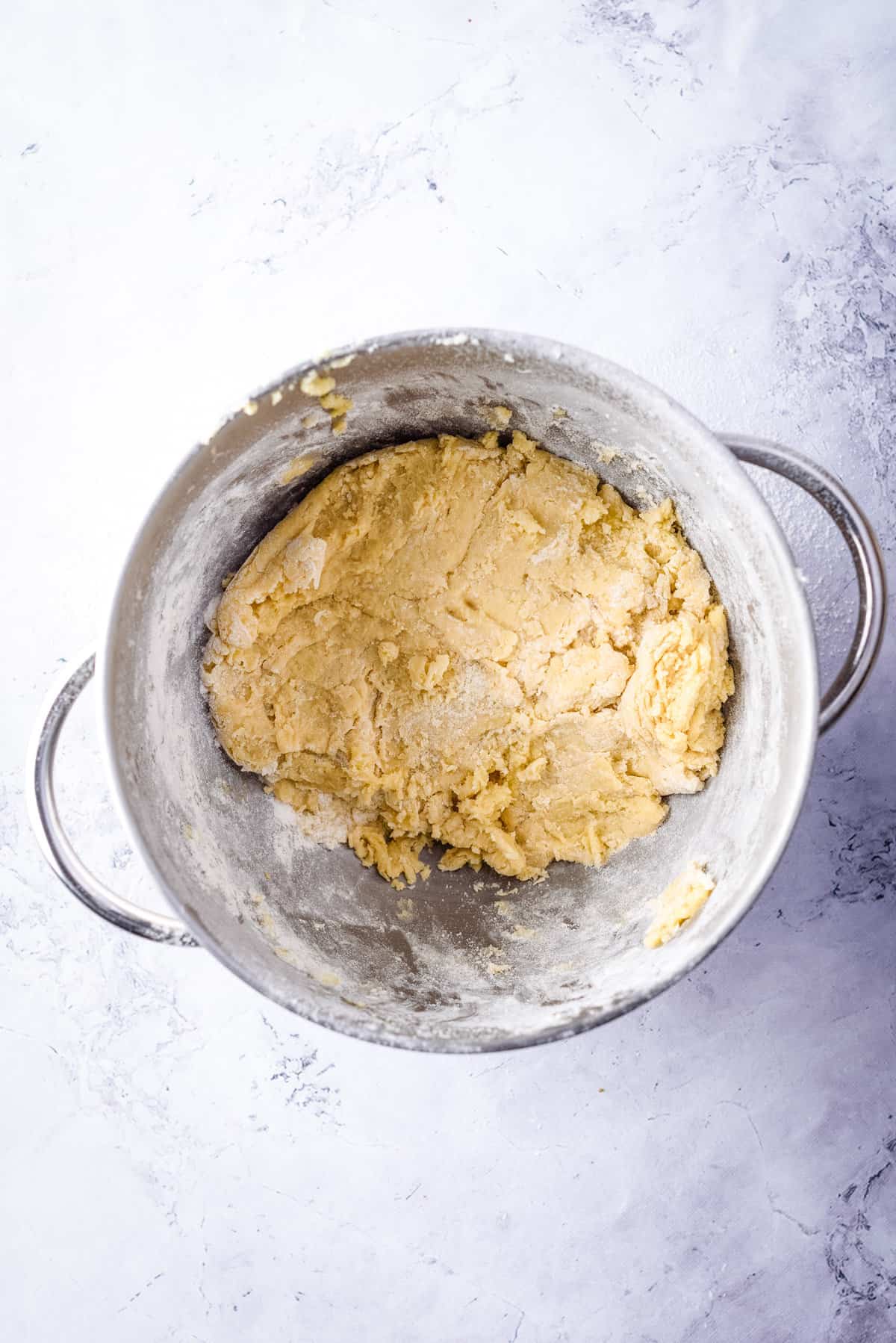
Preheat the oven to 350°F. Feel the dough and ensure that it’s smooth, and if not, add a bit of milk to ensure that it’s the right texture. Start with 1-2 tablespoons and add more as needed. Transfer the dough to a piping bag.
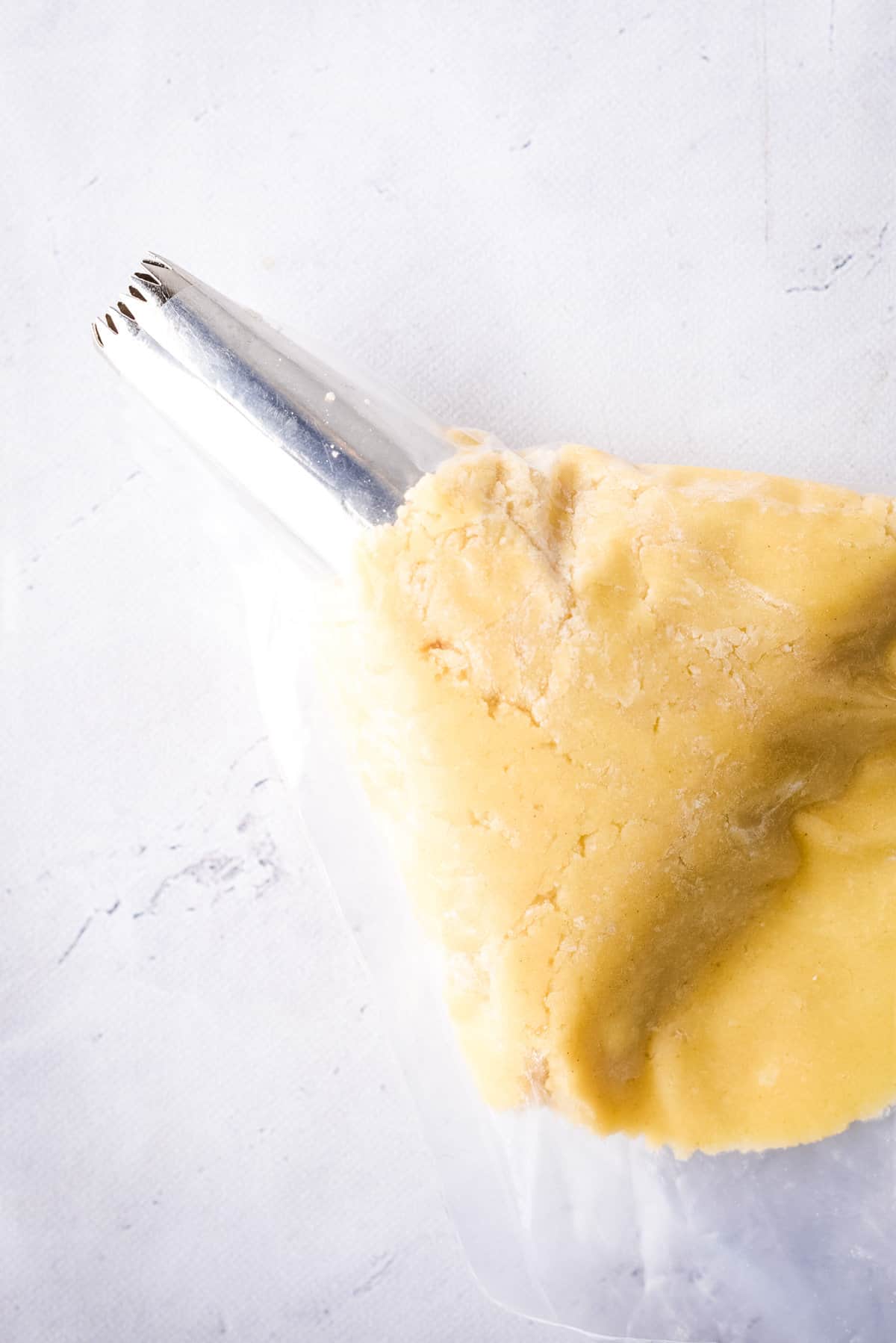
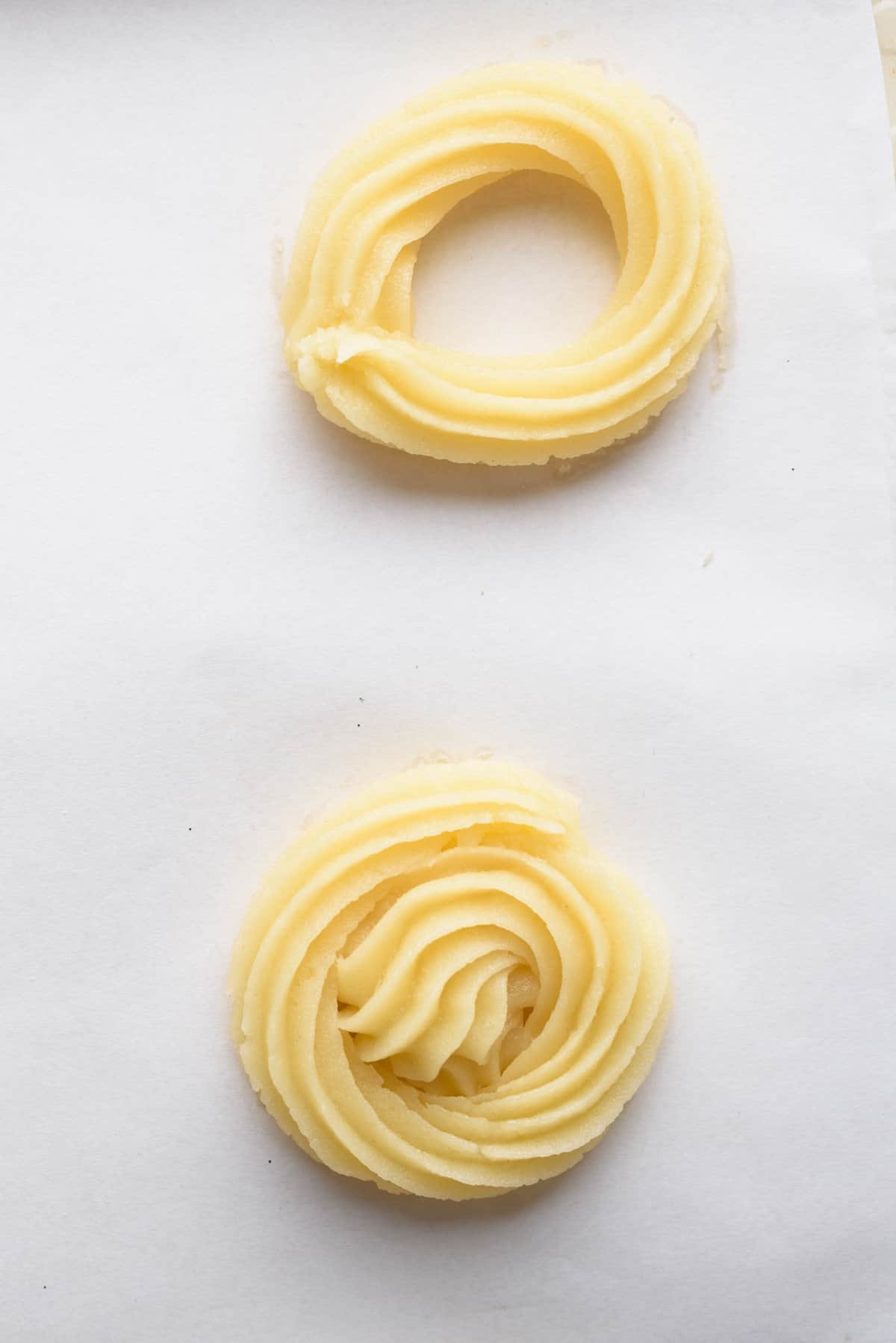
Then, pipe the dough using a 1M open star tip onto a baking sheet lined with parchment paper. If the dough is too hard to pipe, you can add milk to it to make sure it’s the right consistency.
Refrigerate the piped cookies for 20 minutes before baking. This will allow it to settle into its shape and prevent excess spreading when you bake it. The longer the better, so you can even refrigerate up to 40 minutes.
Cook to 350°F for 10-12 minutes or until the edges turn golden brown. It’s ok if the center looks pale.
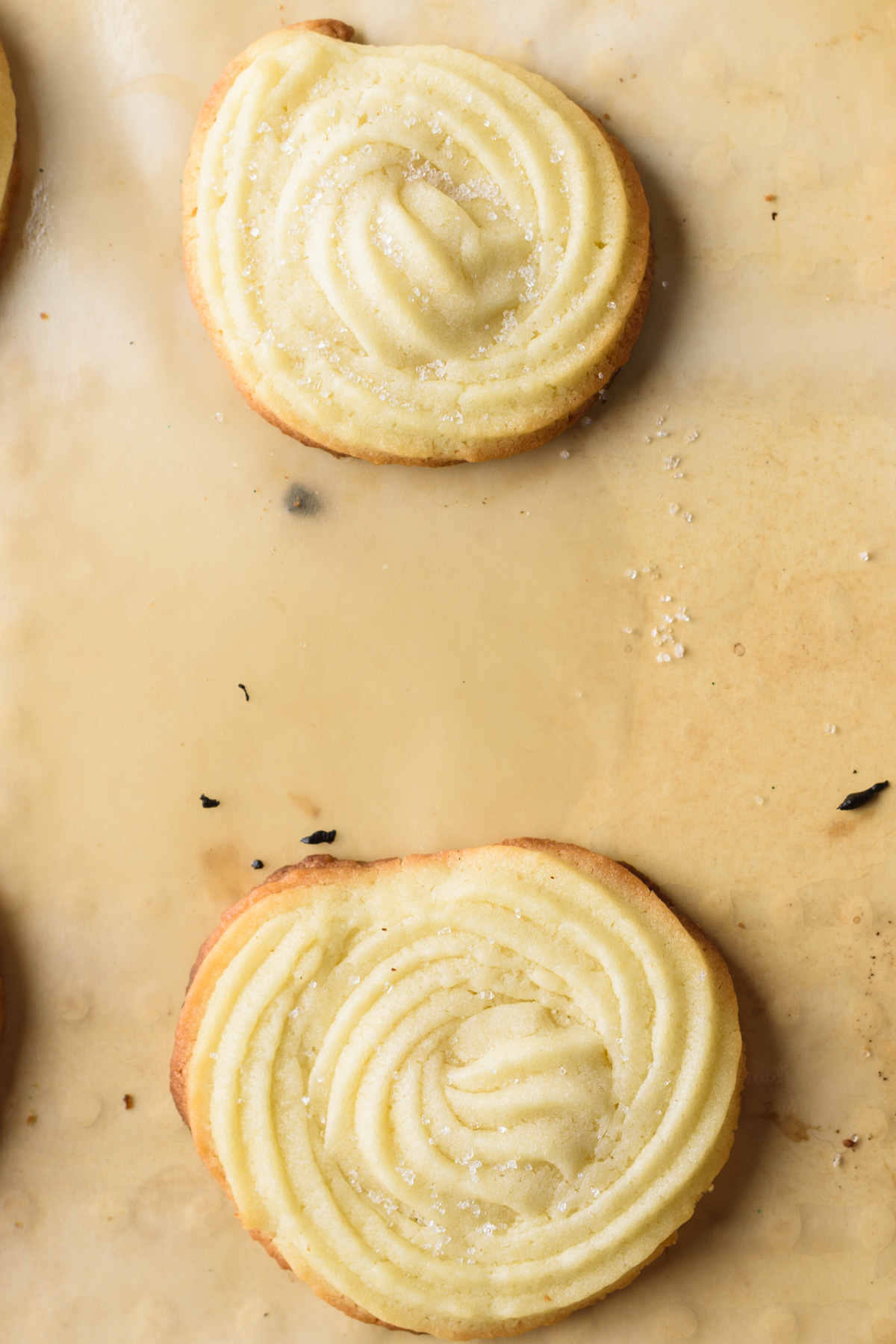
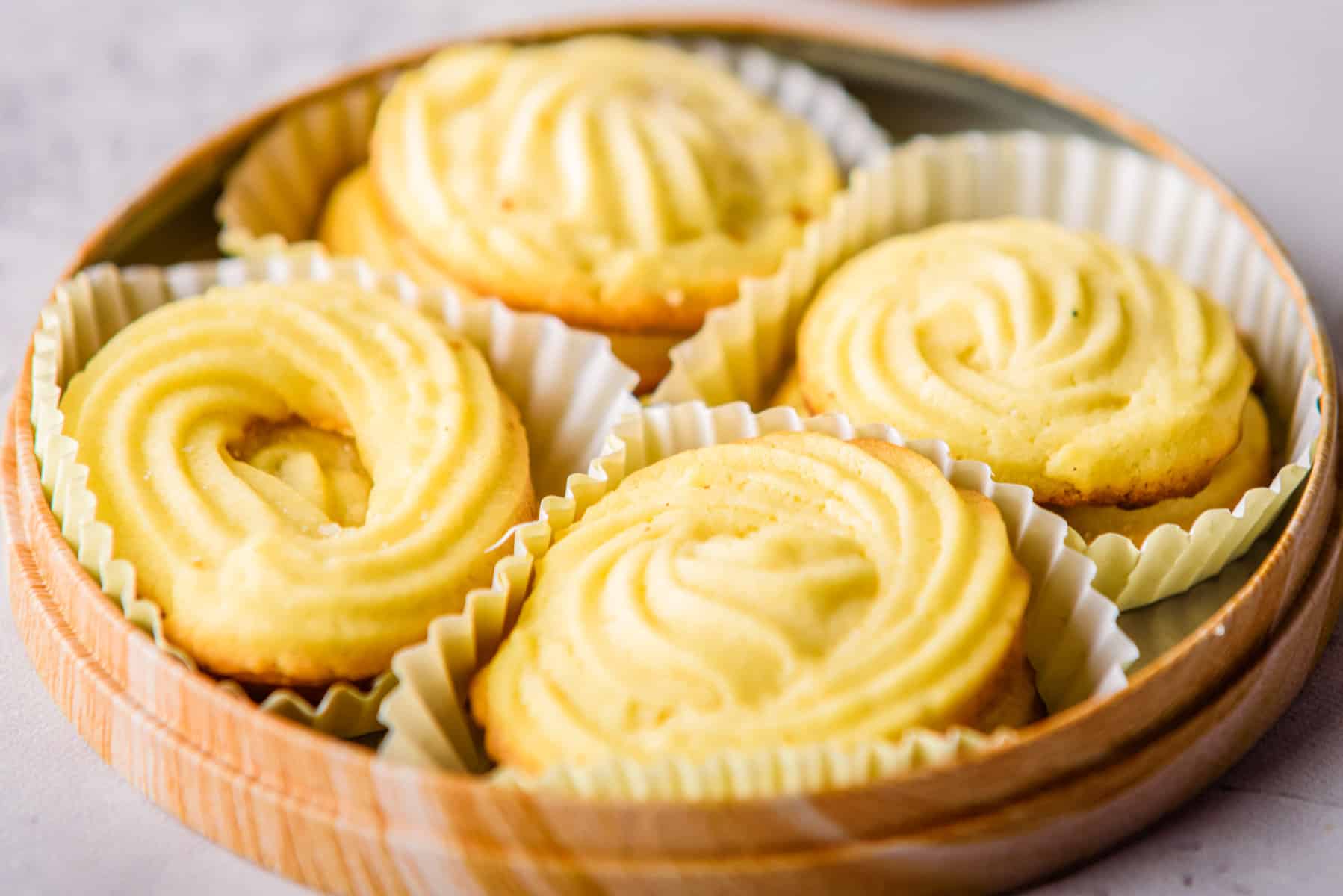
Wait until they cool for about 5 minutes. Serve and enjoy!
Shruthi’s Top Tip
Ensure right consistency before piping. The dough should be silky, not stiff. If you’re struggling to pipe, warm the piping bag between your palms to make the dough smoother, or add a teaspoon of milk to get that silky texture.
- Use high-quality European-style butter: Its lower water content really brings out that rich, creamy texture and adds depth, which makes a noticeable difference.
- Softened doesn’t mean melted. Aim for room temperature where it’s slightly cool to the touch but leaves an indent if pressed. Too warm, and your cookies might spread more than you’d like.
- Cream butter and sugar for texture, not just sweetness. Don’t rush this step—creaming is key to achieving the fluffy texture that makes these cookies so delicate. Aim for a fluffy, pale mixture that’s fully blended before adding the egg.
- When you add the flour, go low and slow. Over-mixing can lead to tough cookies instead of the delicate crumb you’re after, so fold it in gently with a spatula.
- Chill before baking for best results: Piped cookies that get a quick chill in the fridge will hold their shape much better in the oven, giving you those picture-perfect designs.
- Bake on the middle rack for even color: This keeps them from browning too quickly on the bottom or edges. It’s key for achieving that pale center with golden edges.
- Cool completely for crispness: These cookies firm up as they cool, so let them sit for a few minutes on the baking sheet before transferring them to a wire rack. This prevents breaking and enhances the texture.
👩🏽🍳Troubleshooting FAQs
The main difference is the amount of butter that is used in the dough. Shortbread cookies generally have a higher ratio of butter to flour, which gives them a richer flavor and a more crumbly texture. Danish butter cookies, on the other hand, have a lower ratio of butter to flour. This results in a cookie that is less rich, more delicate in flavor, like light and fluffy cakes than dense and crumbly shortbread cookies.
When the dough is chilled, it firms up and becomes less sticky, making it easier to work with. In addition, chilling dough helps to prevent spreading during baking. As a result, your cookies will be evenly shaped and will have a more consistent texture.
I prefer using the Wilton 1M star piping tip, and then piping it in a ring that’s slightly less than 2 inches. However, if you don’t want to go through that (or if you don’t have a piping bag and tip) – you can just use a cookie press of your choice. It’ll taste just as good!
🍴 Serving and storage suggestions
Though most people believe that Danish butter cookies are only for Christmas, the truth is that they can be eaten at any time of year. They have a light sweetness to them which goes great with coffee or tea (especially elderflower tea!) The best part is, these cookies aren’t too difficult to make at home making them perfect if you want something sweet without all the guilt!
These Danish butter cookies can be stored in an airtight container at room temperature for up to a week or frozen for up to 3 months. Store in an airtight tin with a layer of parchment between layers: They’ll stay crisp this way, and if you’re giving them as gifts, they’ll stay fresh longer!
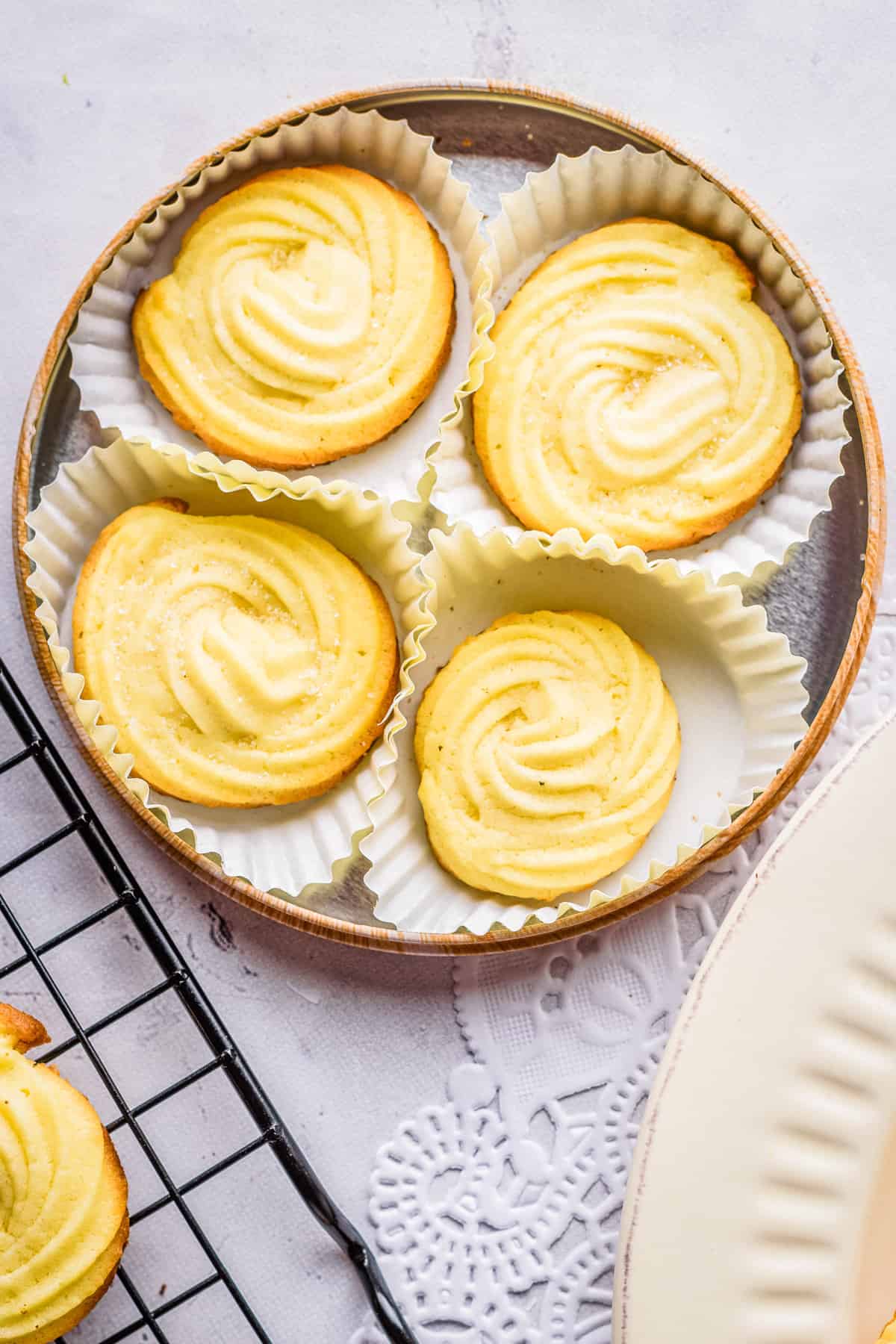
If you like this recipe, check out my other awesome cookie recipes:
If you tried this recipe, don’t forget to comment and rate! ⭐⭐⭐⭐⭐

Danish Butter Cookies
Equipment
- 1 Silicone Mat optional
- 1 Hand Mixer optional
- 1 Piping Set bag and 1M tip
Ingredients
- 1 cup unsalted butter, European preferred for low water content
- 1 cup powdered sugar
- 1 egg
- 1 teaspoon vanilla extract
- 2 ½ cups all-purpose flour, substitute cake flour for a fluffier cookie
- 1 teaspoon salt, optional
Instructions
- Cut butter into small cubes and soften it. Note: If butter is still cold or you are in a hurry, place the cubes on a microwave-safe dish and microwave for 15 seconds (in 5-second intervals).
- To a stand mixer bowl, add butter and sugar and cream together at a medium speed well until both ingredients are fully integrated (this can take 5-7 minutes!) It should look a bit lighter in color and fluffy. Note: Over creaming can cause the cookies to spreads out!
- Then, add the egg and vanilla and keep beating until well combined.
- Sift your flour and then add salt and sifted flour to the stand mixer bowl. Use a spatula to integrate well these ingredients into the butter mix. Feel the dough and ensure that it's smooth. If not, start by adding 1-2 teaspoons of milk at a time to avoid thinning the dough too much, as a thick consistency is best for holding shape in butter cookies.
- Transfer the dough to a piping bag.
- Preheat the oven to 350°F.
- Transfer the dough to a piping bag. Pipe the dough using a 1M open star tip onto a baking sheet lined with parchment paper in a 2 inch ring. If the dough still feels hard to pipe, rub the piping bag with the dough between the palms of your hand to warm the dough and make it easier to pipe.
- Refrigerate the cookies for 20 minutes before cooking. This is critical! You can chill up to 30-40 minutes, the longer the better for the dough to hold shape. Before baking, gently touch the dough; it should feel firm, not soft. This test can help you gauge if the cookies have chilled enough.
- Cook to 350°F for about 10 to 12 minutes or until the edges turn golden brown. It’s ok if the center looks pale. Wait until they cool for about 5 minutes. Serve and enjoy!
Notes
- Use good quality butter. I like using unsalted Kerrygold butter for this recipe because it has lower water content and higher fat content. European butters will work a tad bit better than regular butter, but just make sure to get a good quality one at room temperature so that it mixes evenly with the other ingredients.
- Sift the flour or add it little-by-little. Sifting the flour using a sifter or a fine mesh sieve, or adding it little by little to wet ingredients will help aerate the dough, and ensure it’s mixed in well.
- Ensure right consistency before piping. The dough should be silky so you can easily pipe. If it’s dry or not smooth enough, add a bit of milk and mix really well until it’s the right consistency.
- Be mindful of your baking time. These cookies should be golden brown around the edges but still pale in the center. If they’re too pale, they’ll be doughy; if they’re too brown, they’ll be dry and crumbly. So keep an eye on them as they bake and take them out of the oven when they’re just right.
- Let them cool completely before eating. These cookies are best after they’ve had a chance to cool completely and crisp up a bit!
Nutrition
Nutrition information is automatically calculated, so should only be used as an approximation.


Where have these been all my life?! Delicate, buttery, and easy to make – these are going into the rotation. Thanks for all the helpful tips too!!
THANK YOU!!
Confused, it says preheat to 350, but then says bake 375. Which is it?
Hi! Sorry, that was a typo. 350F is the right temperature 🙂 Thank you.