
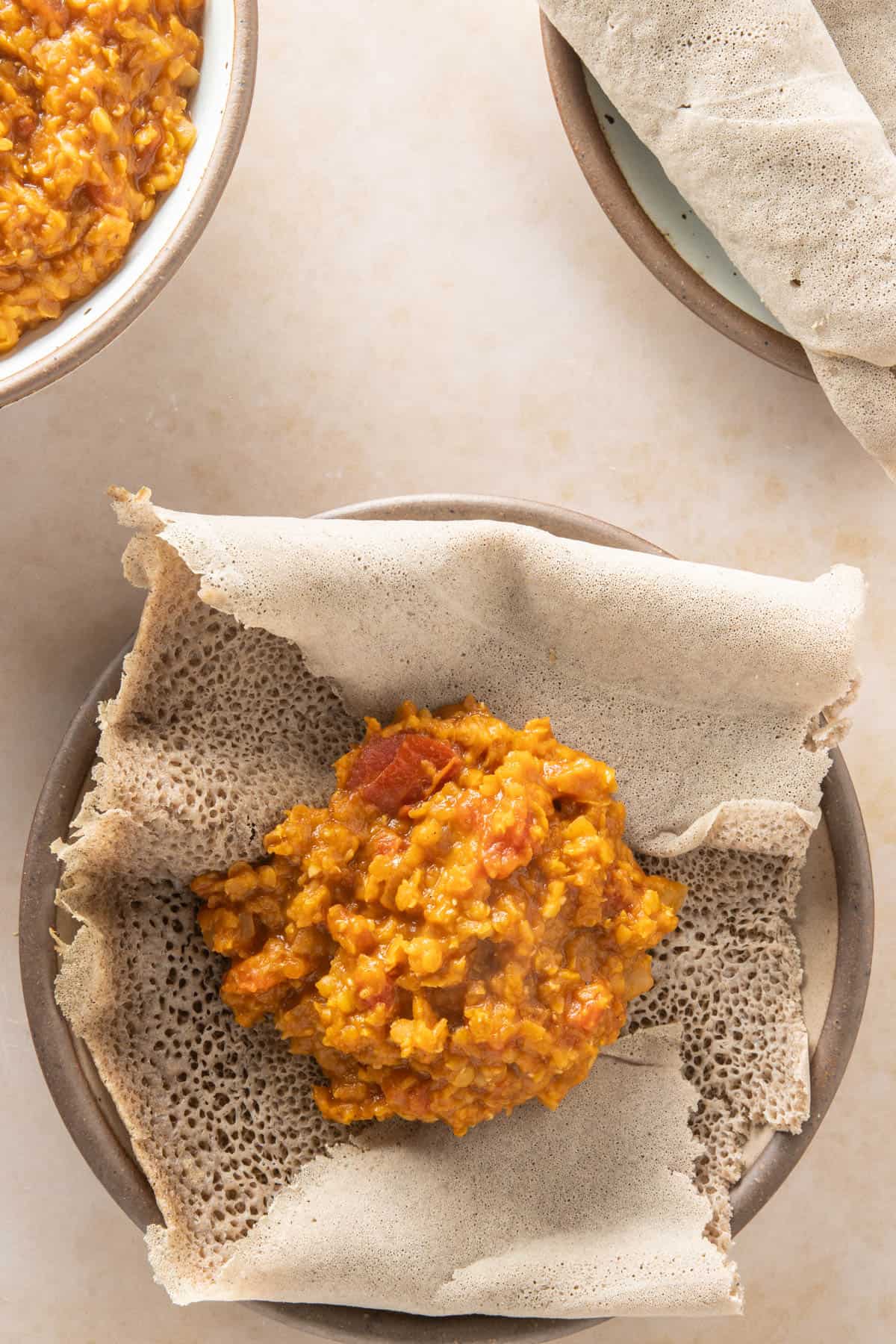
Misir Wot (also called Yemisir Wat, Mesir Wot, or Mesir Wat) is a traditional Ethiopian, and Eritrean split or red lentil stew. It features red lentils, something that’s abundant in Ethiopia, along with warm spices. If you order a vegetarian platter at an Ethiopian restaurant, Misir Wot is sure to be present at the table!
Why you’ll love this recipe
I first had Misir Wot in Addis Ababa, where every vegetarian platter seems incomplete without it. Back home, I started recreating it in my kitchen — first the traditional way with nitter kibbeh (spiced clarified butter), and later, a simpler vegan version for weeknights. The key to great Misir Wot isn’t complexity — it’s patience with the onions and the slow bloom of the spices.
Red lentils cook quickly and soak up the flavor of berbere — Ethiopia’s signature blend of chili, fenugreek, garlic, and cardamom — which gives this stew its signature color and kick. If you can’t find berbere, a mix of paprika, coriander, and chili powder gets you surprisingly close.
If you enjoy this one, try Atakilt Wot (Ethiopian cabbage and carrots) or Shiro Wot (chickpea stew) next — they round out the perfect homemade Ethiopian vegetarian platter.

Key ingredients and why they matter
You’ll need olive oil, onions, garlic (minced or garlic paste), red chili powder, tomato paste and canned tomatoes, berbere powder, cardamom powder, split lentils, salt and water to make this recipe.
Full ingredient list and detailed instructions in the recipe card.
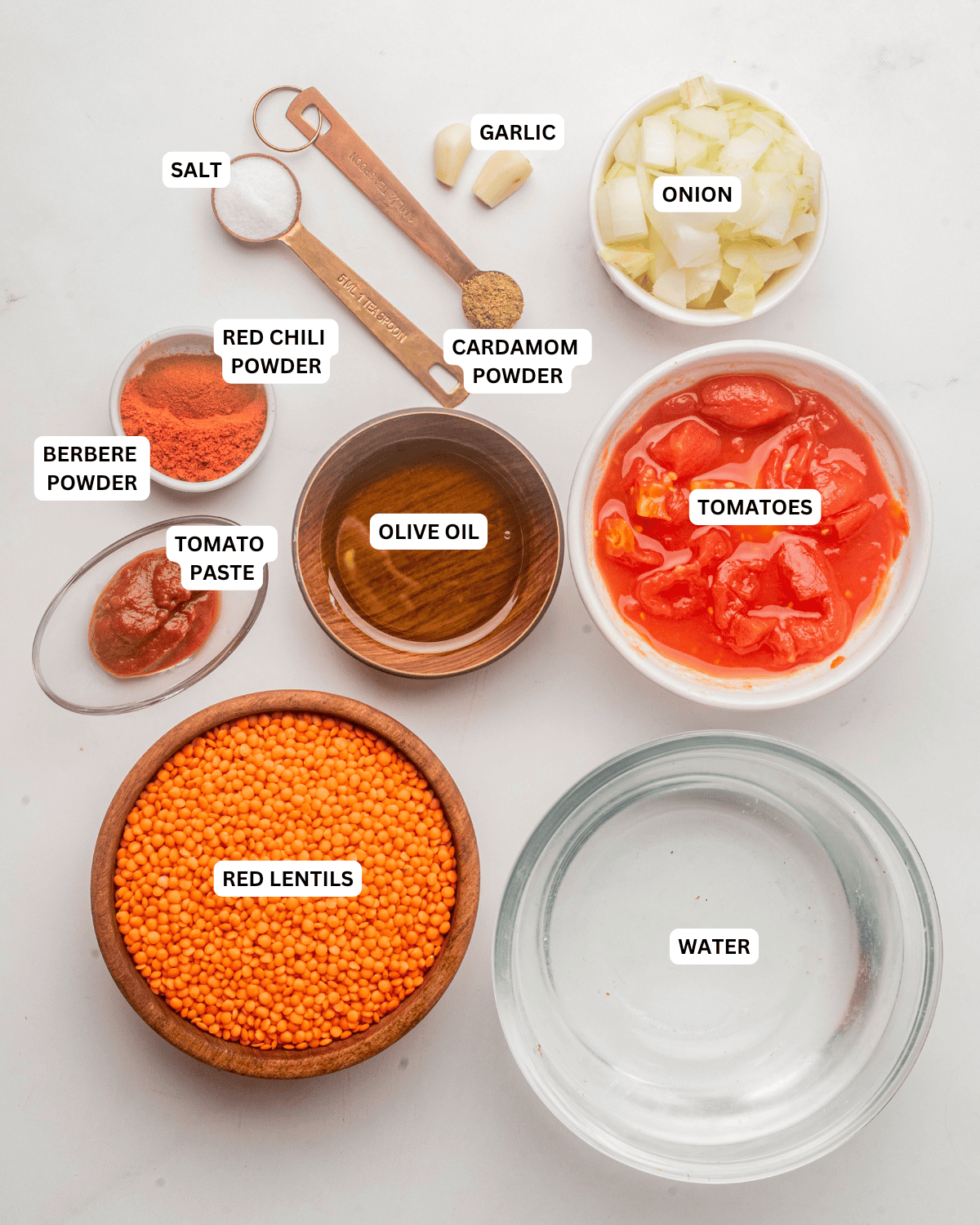
- Red lentils: The backbone of this dish. They cook quickly and break down into a creamy, hearty texture. Don’t skip rinsing — it keeps the stew from turning gluey.
- Berbere spice: The flavor anchor — smoky, spicy, and deeply aromatic. Use store-bought or mix paprika, coriander, and chili powder if needed.
- Onions + garlic + ginger: The base of most Ethiopian cooking. Take your time sautéing them until golden; that’s where the flavor builds.
- Tomato paste and diced tomatoes: Add depth, acidity, and color. Sauté the paste well to remove any tinny taste.
- Cardamom powder: Adds a soft warmth that balances berbere’s heat.
- Olive oil (or nitter kibbeh): Oil keeps this vegan, while nitter kibbeh adds authentic flavor if you’re open to making it.
TIPS & TRICKS
Shruthi’s top tips
- Sauté onions low and slow — this step defines the flavor base.
- Bloom spices in oil to wake them up; don’t just dump them in the liquid.
- Use red lentils for traditional texture; green or brown will stay firm.
- Add tomato paste early and cook it down to deepen the flavor.
- Simmer gently, not rapidly — lentils cook fast and can break apart.
- Adjust water gradually to get a creamy, spoonable consistency.
- Add salt near the end so the lentils stay tender.
- Rest the stew for 10 minutes after cooking — it thickens naturally.
- Reheat with a splash of water to restore creaminess.
How to make Misir Wot
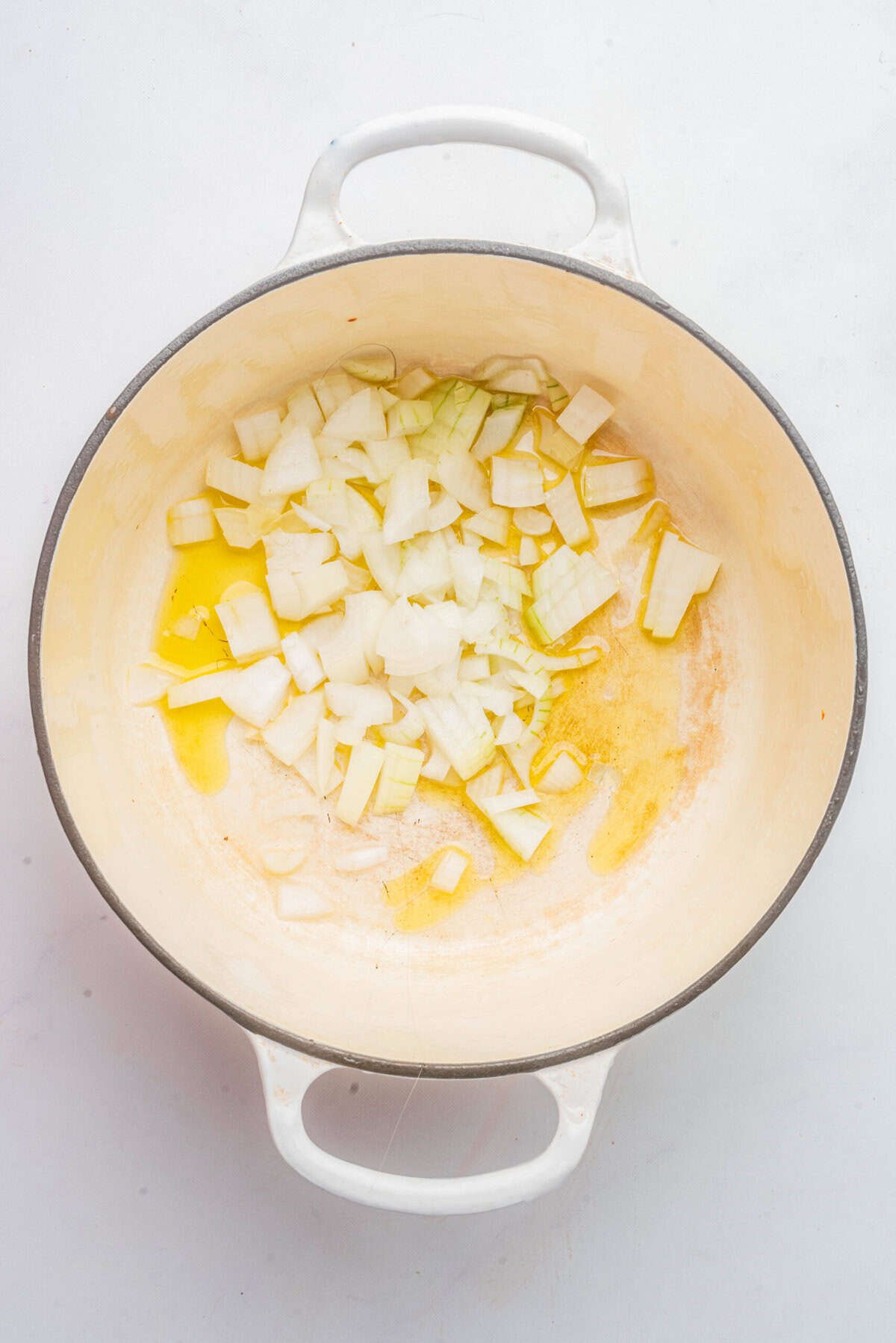
- Add a tablespoon of oil to a large skillet or Dutch oven, and cook one finely diced onion until soft on medium heat.
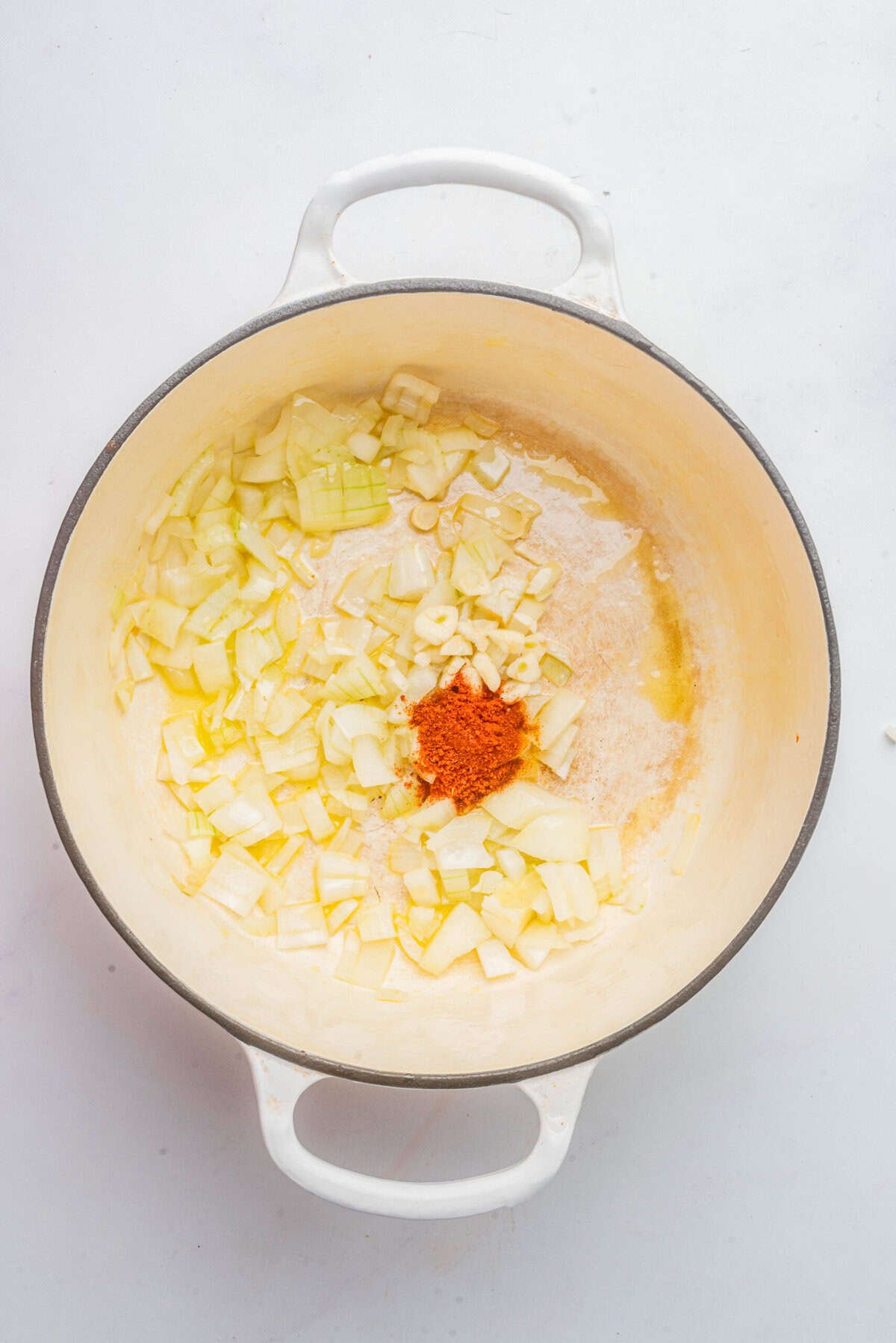
- Add a tablespoon of minced garlic, 2 teaspoons of red chili powder, and allow the mixture to cook for 1-2 minutes
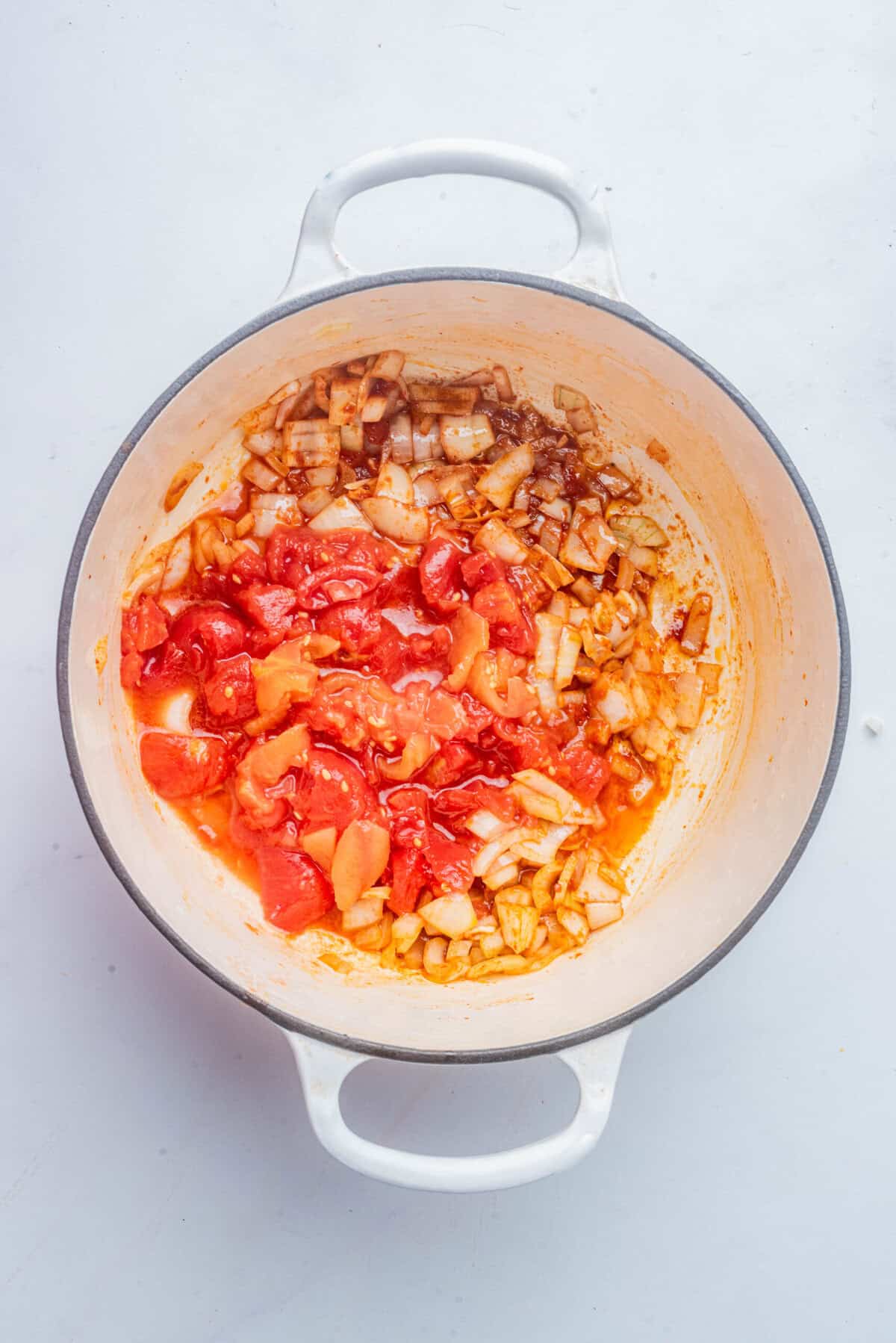
- Next, add tomato paste and a small can of diced tomatoes (with no additional flavors) along with berbere spice. If you don’t have tomato paste on hand, consider these substitutes. Sauté this for 3 to 4 minutes to release the “tinny” smell.
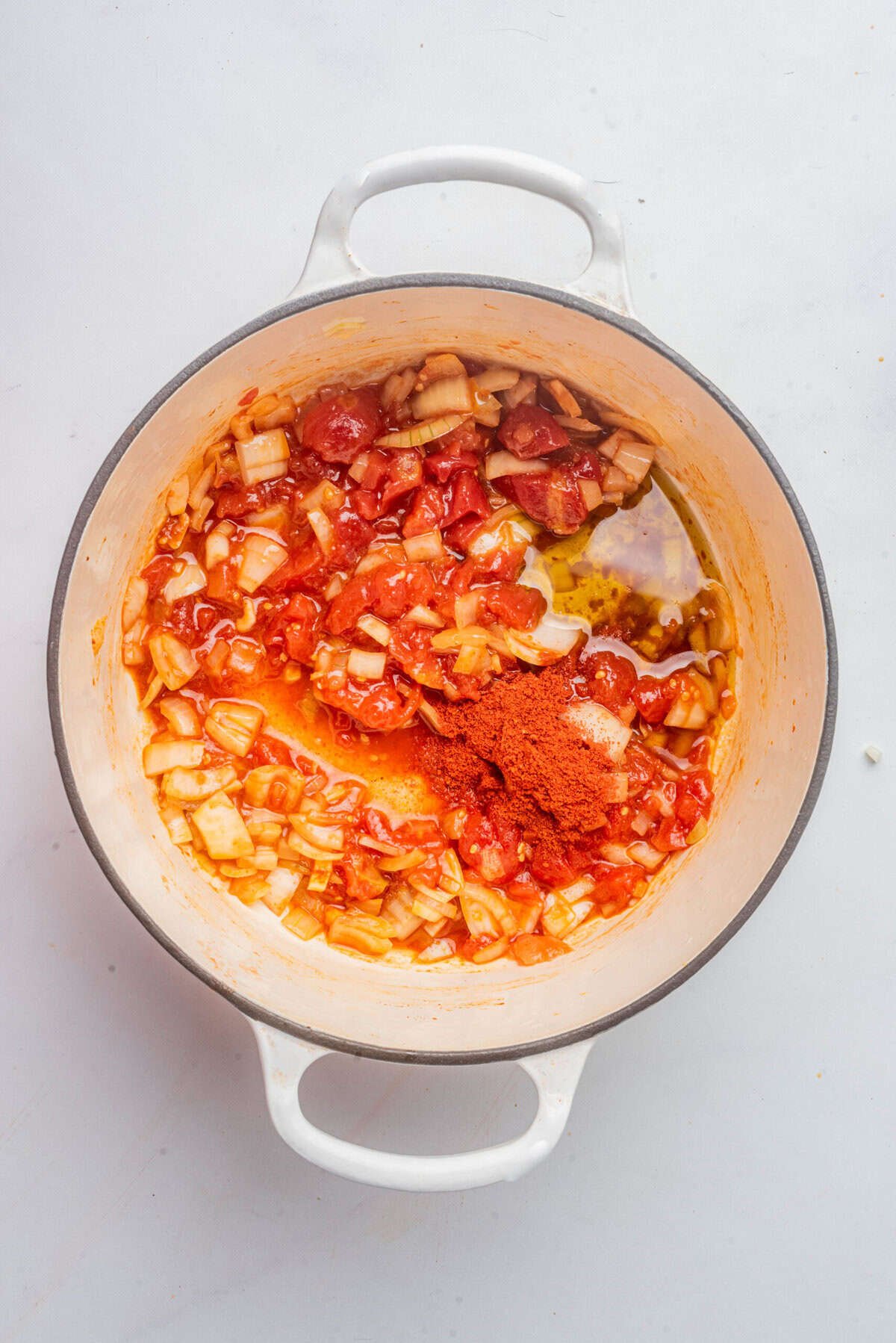
- Next, add the remaining olive oil along with the cardamom powder, and give the mix a good stir.
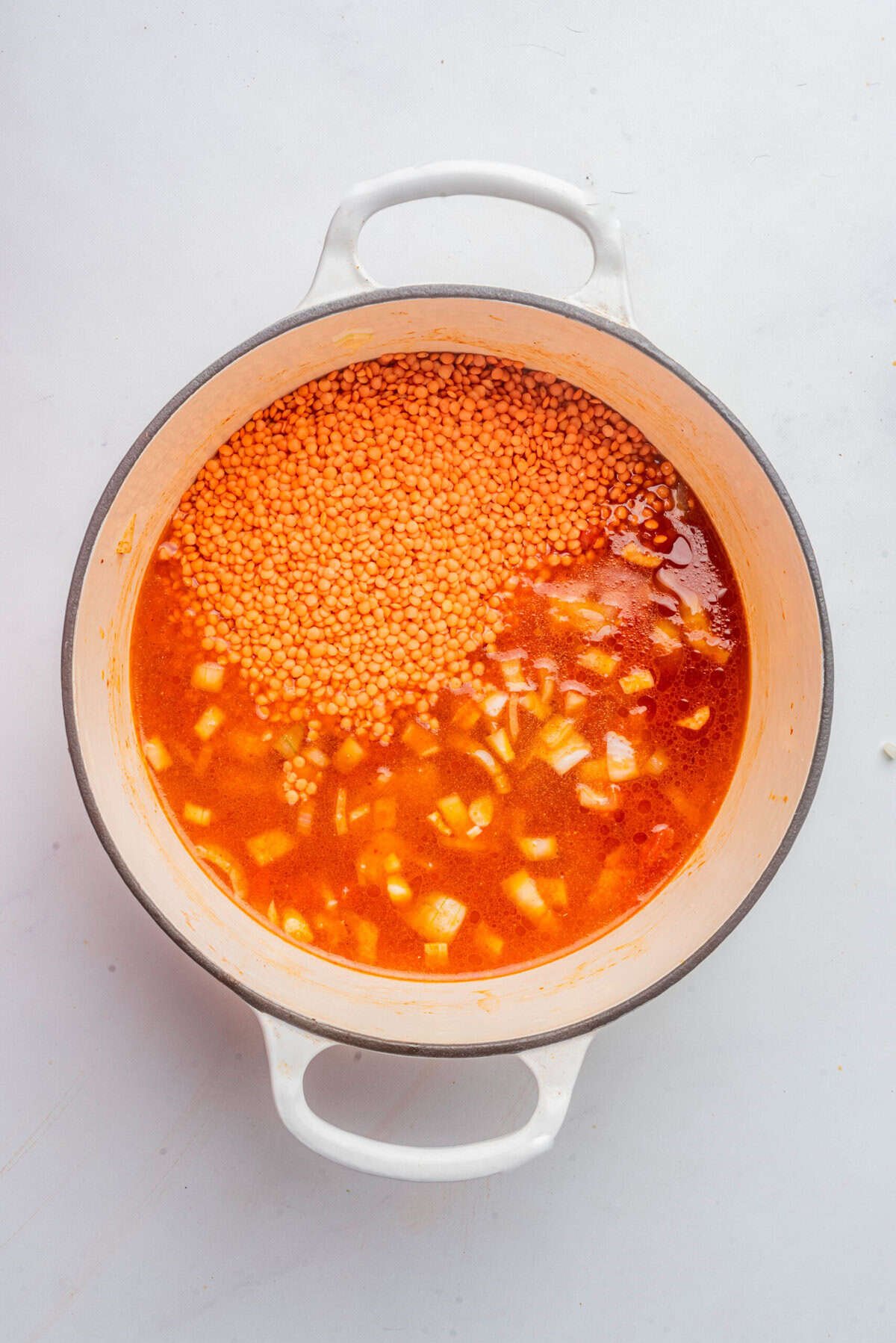
- Wash 1 cup of split lentils (red lentils) and add them to the pot along with 2 cups of water or broth and salt to your taste. Bring this to a boil on medium heat and then turn down the heat to a low-medium.
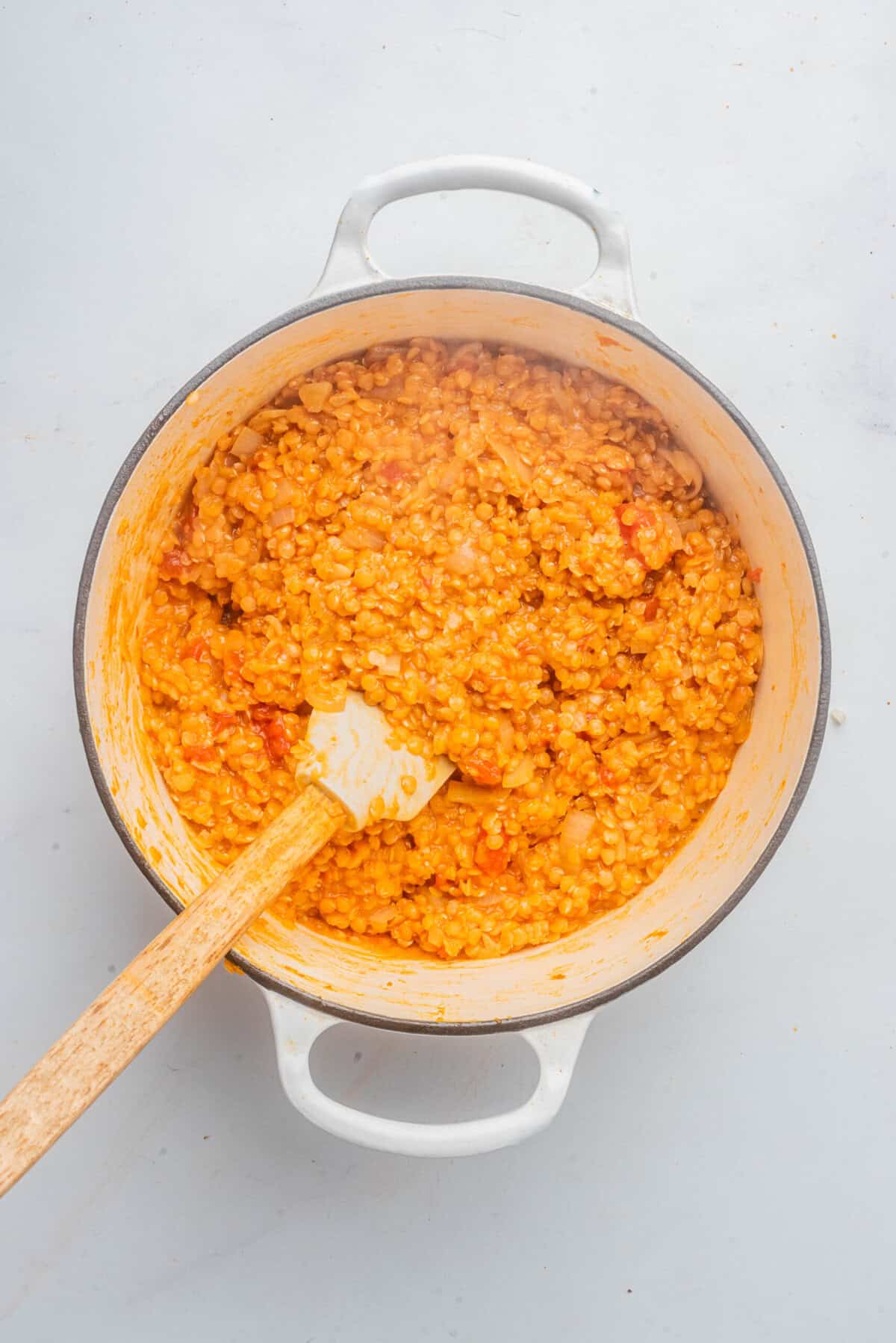
- Add the remaining berbere powder and allow the mixture to simmer for 15 to 20 minutes, covered. Check every 5 minutes and add more water if it looks dry. When done, the stew should be creamy but not mushy — that’s when your Misir Wot is ready!
How to serve Misir Wot
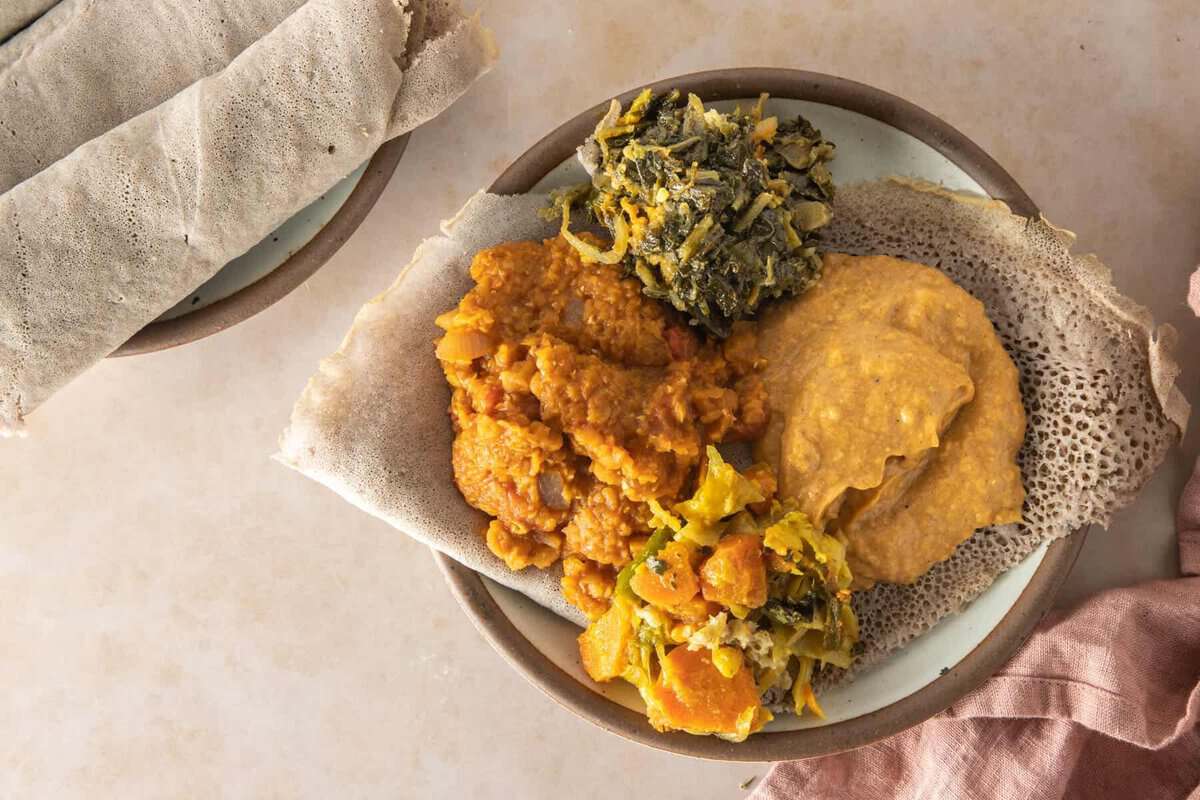
Serve with hot injera and/or rice as well as other Ethiopian vegetarian dishes. Some of my favorites are Atakilt Wat (i.e., cabbage, carrots, and potatoes) and Shiro Wat (i.e., chickpea stew). Oh, and a nice, fresh salad to enjoy a true Ethiopian vegetarian feast.
Storage and reheating suggestions
Similar to my Ethiopian cabbage, this is a great make-ahead meal, and will stay fresh in the fridge for up to a week. I suggest storing them in individual portions. This way, you don’t have to reheat the whole thing.
When ready to reheat, use a pot on a stove instead of the microwave if possible. Add at least 1-2 tablespoons since the lentils might have solidified in the fridge! You can freeze this recipe if you portion it into individual airtight containers, but I don’t recommend doing this.
More African recipes
To prepare an easy vegetarian African feast at home, try these other recipes inspired by Ethiopian cuisine

Shiro Wat (Ethiopian Chickpea Stew)

Gomen Wat (Spicy Ethiopian Greens)


Ethiopian Cabbage

Misir Wot (Ethiopian Red Lentil Stew)
Ingredients
- 3 tablespoons olive oil, divided
- 1 large yellow onion, diced
- 1 tablespoon garlic, minced, substitute 1 tablespoon garlic paste
- 2 teaspoons red chili powder, heaping, but adjust to spice tolerance
- 1 teaspoon tomato paste, tube preferred
- 1 14.5-oz can diced tomatoes
- 2 tablespoons berbere spice, divided
- ¼ teaspoon ground cardamom, optional
- 1½ cups red lentils, rinsed
- 3 cups water
- 1 teaspoon kosher salt, adjust to taste
Instructions
- Heat 1 tablespoon oil in a large skillet or Dutch oven over medium heat. Add onion and cook until soft and translucent, 5-7 minutes. Add a splash of water if onion starts to stick.
- Add garlic and red chili powder. Cook for 1-2 minutes, stirring constantly, until fragrant.
- Stir in tomato paste and cook for 30 seconds. Add diced tomatoes and 1 tablespoon berbere spice. Sauté for 2-3 minutes until tomatoes begin to break down.
- Add remaining 2 tablespoons oil and ground cardamom (if using). Stir to combine.
- Add rinsed lentils, water, and salt. Bring to a boil over medium heat, then reduce heat to medium-low.
- Stir in remaining 1 tablespoon berbere spice. Cover and simmer for 20-25 minutes, stirring every 5 minutes, until lentils are soft but still have a bit of texture. Add more water 2 tablespoons at a time if mixture becomes too thick.
- Taste and adjust seasoning with salt. Serve hot with flatbread, injera, or rice.
Notes
- Cooking time varies depending on the age of lentils—older lentils take longer
- Check lentils every 5 minutes and add water as needed
- Berbere spice is essential for authentic flavor; find it at Ethiopian markets or well-stocked grocery stores
- For milder heat, reduce red chili powder to 1 teaspoon
- Variations:
- Add 2 cups baby spinach in the last 2 minutes for extra greens
- Stir in ½ cup coconut milk at the end for a creamier version
- Top with a dollop of plain yogurt to cool the spice
Nutrition
Nutrition information is automatically calculated, so should only be used as an approximation.


I’m making a feast of several different dishes for a mid-sized event that won’t be held at my house, so I need to make things in advance. I’m curious why you don’t recommend freezing this dish- I’m trying to figure out which dishes I should make when. Thanks!
You could freeze the dish for a short amount of time, but I find that the texture can be impacted when freezing. But if its only for a few days, you can also just store in the fridge.
Thank you! Would it be okay to make the dish on a Wednesday evening, refrigerate, and then (reheat on stove and) serve it Sunday lunchtime?
I’ve made and stored this in the fridge anywhere from 3-6 days, so I think it should be alright. Make sure to cool it down and then store in an airtight container and then taste-test before you serve just to make sure it’s still good!
Is the red chili powder you use the same as cayenne or something different? Thank you
I use Indian (Kashmiri) red chili powder, but you can definitely use cayenne or plain paprika based on your spice tolerance!
I love lentils so much so I had to try this. The flavor of this Misir Wot was unbelievable! Cannot wait to make it again, it makes the greatest lunch.
My first time trying Ethiopian cuisine. The berbere spice blend adds a wonderful depth of flavor to the dish. Delicious!
What the heck where has this food been all my life?! Haven’t served it up yet but I just had a li’l taste off the stove and holy moley it’s phenomenal. This is my first time cooking/eating Ethiopian food and I feel like this has opened up a whole new world for me! Will absolutely make again!
I made this for dinner tonight. It was easy and delicious!
Really wonderful flavor. I cut the oil in half to reduce fat and left the tomato paste out, because I forgot to buy some. It still came out very rich and yummy!
This is one of the best recipes I’ve ever tried. It was 10/10 perfect! Thanks so much for creating this. It’s going to be my go to recipe for red lentils from now on.
So tasty!!! I love getting misir wot from my local Ethiopian restaurant and it was so rewarding being able to recreate it at home. This is probably my favorite way to cook red lentils – I love Indian dal and red lentil soups of all kinds, but something about scooping up this thick stew with injera is just unbeatable. It’s wonderful to see how cultures around the world make use of this mighty legume. Thanks! 🙂
VERY good (as in “I’ll probably dream about this dish tonight” good). I also made the Ethiopian cabbage recipe and they were delicious together. I can’t get my hands on injera, so I ate with naan!
Thank you so much for this! I love having this with naan too!
Excellent! Followed as written and served it with injera! So good!
Glad you liked it!
About how much does this recipe make in cups/quarts? Trying to figure out serving sizes. Thank you!
It’ll make about 3-4 cups of cooked Misir Wot as written! 🙂
Top-notch flavor, affordable, pantry-friendly ingredients, easy one-pot preparation, nutrient-dense, and vegan. I grew up eating a lot of animal products, but have been on a personal mission to expand my vegan recipe repertoire. I am so grateful for this recipe, Shruthi! It has become a dish that I make regularly.
Thank you so much for sharing – much appreciated, and so glad you like it!
Thanks for sharing. Do you have any advice on how to make it lower fat (4 tbsp oil per cup six servings)?
Hi Abi – you’re welcome to reduce the amount of oil, but I wouldn’t cut it more than half (since the flavor development actually requires the ingredients to be “fried” in oil somewhat). Traditional recipes use up to 1/3 or even 1/2 cup of oil for this recipe, so I’ve already reduced it some. If you do cut it to 2 tablespoons of oil, I recommend that you use an enameled Dutch oven (or another similar non-stick pot) to make the recipe to avoid the bottom of it getting burned. Hope this helps!
Love this recipe – I’ve made it three times. I leave out the chili powder and onions due to my partner’s preferences, and it turns out perfectly each time. Thanks so much for sharing it.
That’s so awesome! Thanks for sharing, and so glad you love it!